
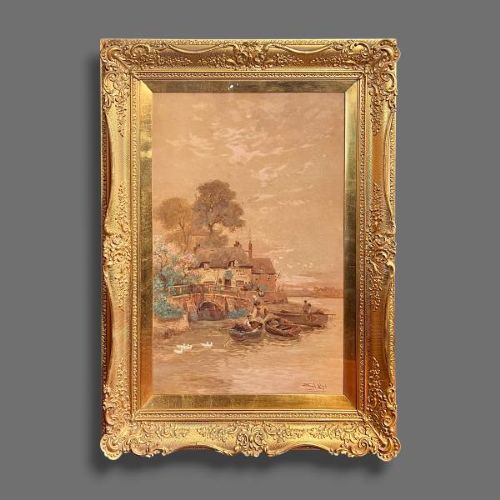
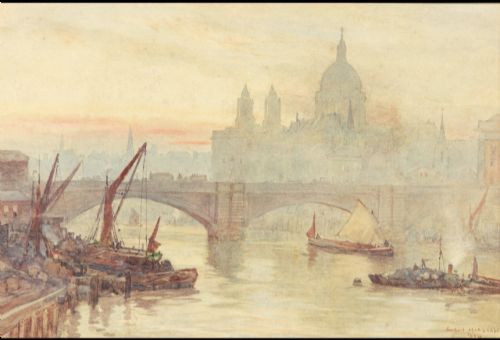
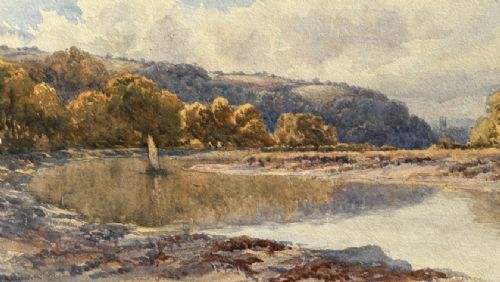
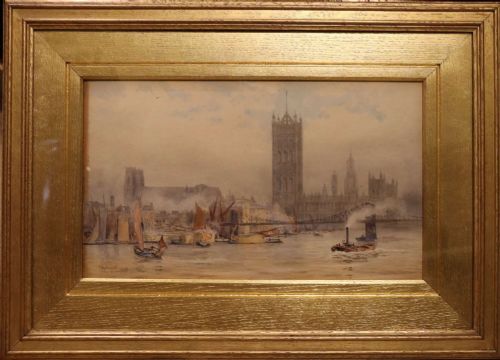


Framed River Watercolour Painting
A framed river watercolour painting brings the gentle movement of nineteenth-century waterways directly onto a wall.
Framed River Watercolour Painting
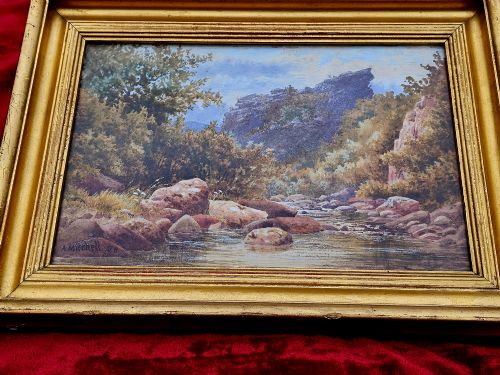
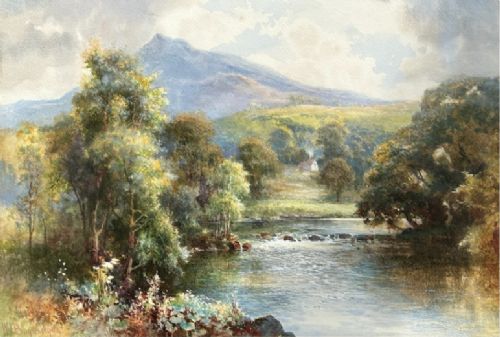
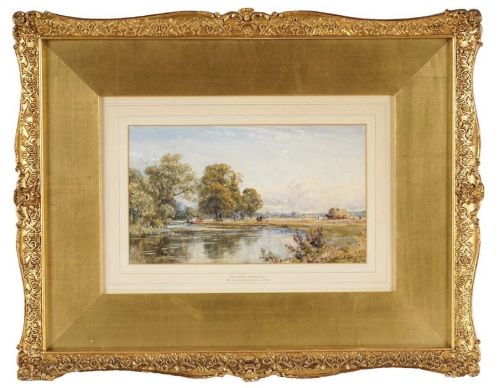
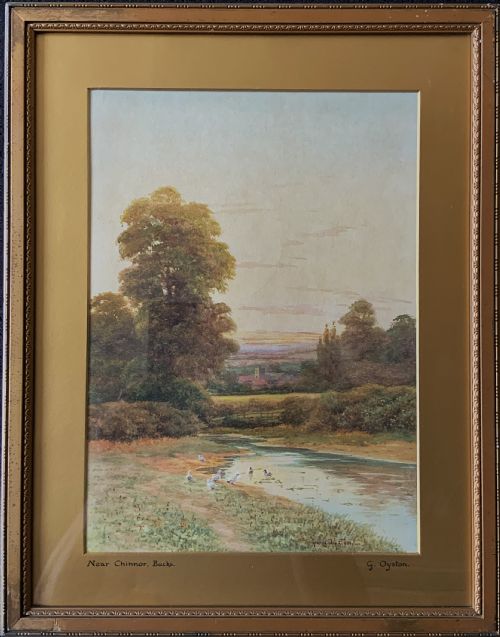
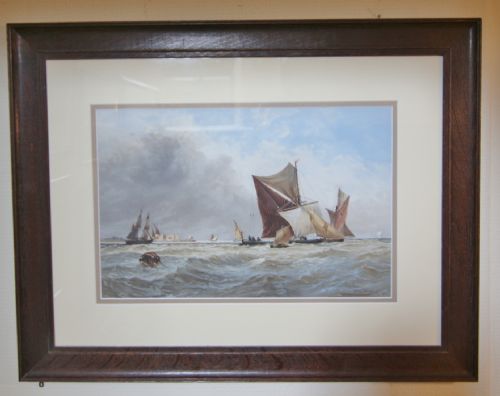
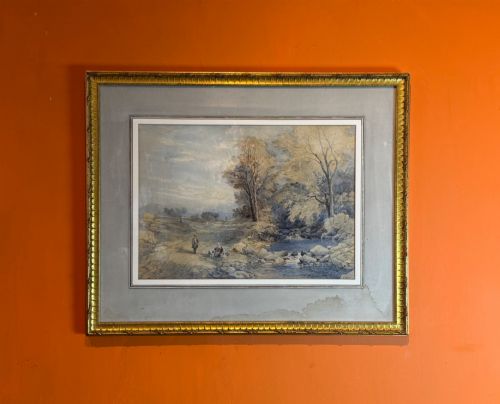
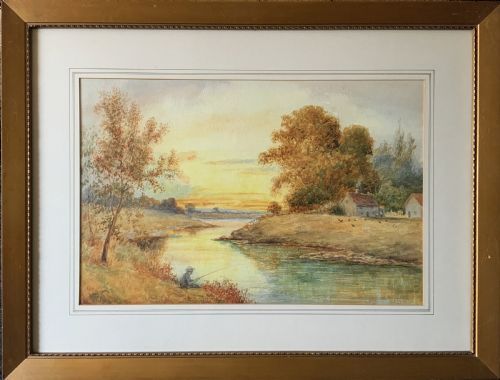
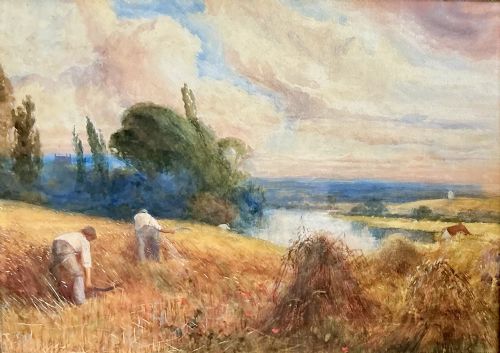
A framed river watercolour painting comprises works executed on paper using water-soluble pigments, capturing natural waterways from tranquil rural streams to bustling ports. These works emerge predominantly from the nineteenth and early twentieth centuries, reflecting British and European landscape traditions.
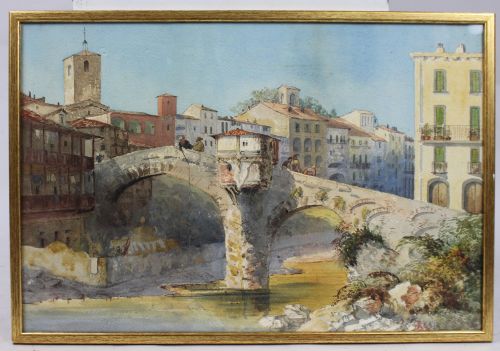
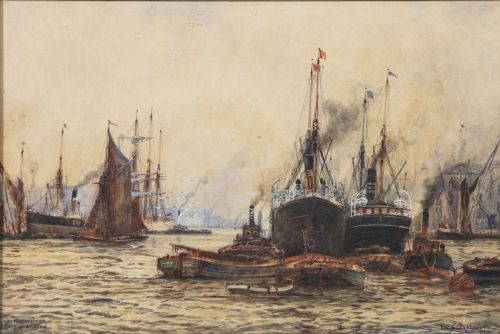
Buyers encounter subjects ranging from Welsh river valleys and Thames backwaters to Italianate scenes and Dutch harbours. The selection spans works by named Royal Academy exhibitors as well as accomplished contemporaries working within the Victorian naturalism and British impressionism styles.
Original sheets are invariably mounted behind glass within wooden frames, frequently finished in gilt to complement the delicate washes of pigment. The physical forms vary from intimate rural studies to large-scale topographical compositions.
Materials and technique
Artists apply gum-based watercolour pigments onto heavy paper stocks, utilising the white of the unpainted paper to create luminosity and highlights. Painters build up transparent washes for skies and water while employing more opaque bodycolour for foreground details such as cattle or figures.
Protection from atmospheric moisture relies on framing behind glass, housed within timber mouldings that often carry gilt leaf or simple painted finishes. These housing methods preserve the fugitive qualities of nineteenth-century pigments against fading from light exposure.
Cows make frequent appearances standing knee-deep in river bends, seemingly acting as the nineteenth-century mandatory scale bar for running water.
Distinctions in quality
Quality rests upon the handling of light and atmospheric depth, where the best hands achieve convincing motion in water and air through confident brushwork. Weaker examples exhibit stiff composition and overworked pigments that obscure the natural transparency characteristic of the medium.
The reputation of the artist and exhibition history elevate certain sheets, particularly those bearing provenance from the Royal Academy or established regional schools. Execution scale and the preservation of the original paper tone further separate standard topographical records from masterful artistic interpretations.
H. Medlycott·William Joseph Boyes·Frank William Scarbrough·Robert Thorne Waite·George Oyston·Thomas Bush Hardy·Frederick Hines·Alfred George Morgan·Cornelius Pearson·Edwin Lord Weeks·Arthur Reginald Smith·Henry John Kinnaird·Thomas Hunn·David Cox Jnr·J Laporte·Colin H Greenwood·Robert Winchester Fraser·Alfred Grey·George Arthur Fripp·Walter Follen Bishop·John Hobson Nicholson·Percy Lancaster·Thomas James Lloyd·Frederick Williamson·Samuel Palmer
The Framed River Watercolour Painting Glossary
- Watercolour pigment
- Finely ground colour mixed with a water-soluble binder, applied in thin washes to paper surfaces. This medium relies upon transparency to generate luminosity.
- Gilt wood
- Timber framing coated with a thin layer of gold leaf or metallic powder over a prepared gesso base. This finish provides a traditional reflective border for nineteenth-century works on paper.
- Bodycolour
- Watercolour paint mixed with a white pigment to render it opaque rather than transparent. Artists utilise this technique to add solid highlights to water and foliage.
- Topographical
- Depicting specific real-world locations with geographical accuracy rather than purely imaginative composition. Many Victorian river scenes served to document recognizable British and European landscapes.
- Provenance
- The documented history of ownership or exhibition associated with a work of art. This record helps establish authenticity and historical context.
Framed River Watercolour Painting: Frequently Asked Questions
How should I hang a watercolour painting?
Watercolours require placement away from direct sunlight to prevent the fugitive pigments from fading over time. Maintaining stable indoor humidity levels also protects the historic paper supports from moisture damage.
Secure framing with appropriate wall fixings ensures the heavy timber and glass assemblies remain stable. Positioning works at eye level allows the fine brushwork and delicate washes to be appreciated closely.
Can I remove the glass to clean the painting?
Historic watercolours should remain sealed within their original frames to prevent atmospheric pollutants from directly contacting the fragile paper. Opening the frame introduces risks of tearing or staining the delicate sheet.
Professional conservators handle any necessary cleaning or mounting adjustments using archival methods. Everyday maintenance involves only dusting the exterior of the wooden frame.
How do I identify nineteenth century paper?
Nineteenth-century papers often display distinct weight and texture, frequently lacking modern chemical additives. Close inspection under magnification may reveal handmade chain lines and watermarks characteristic of period mills.
Discolouration such as light foxing spots can also indicate age in historic cellulose fibres. Comparing the paper stock to dated works helps confirm the period of execution.
What subjects are typical in these watercolours?
River landscapes dominate this category, featuring rural pastoral scenes, cattle watering at riverbanks, and boats navigating tidal estuaries. Artists frequently depicted specific British waterways alongside continental European ports.
Human activity often populates the compositions, showing fishermen, travellers, or architectural landmarks like mills and bridges. These subjects reflect the Victorian appetite for naturalism and picturesque rural life.