

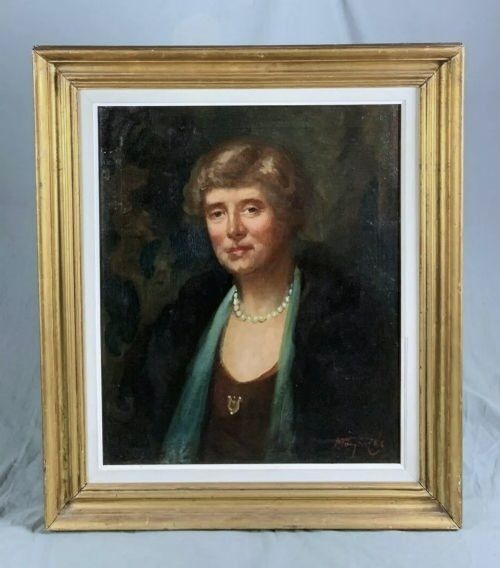
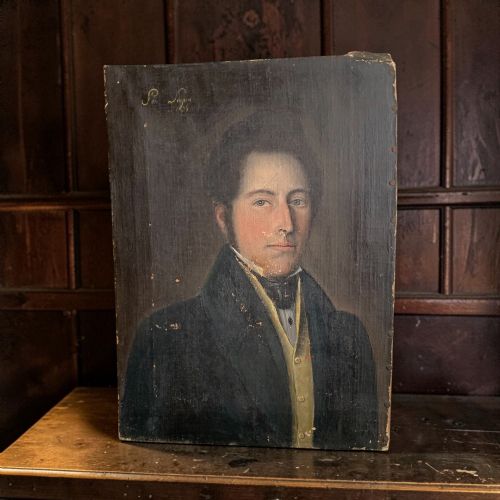


Signed Portrait Oil Painting
A signed portrait oil painting captures the distinct presence of an individual through tangible brushwork and lasting pigments.
Signed Portrait Oil Painting
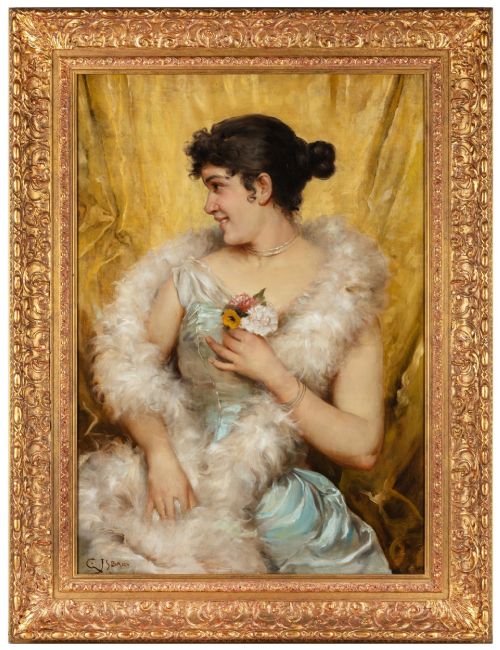
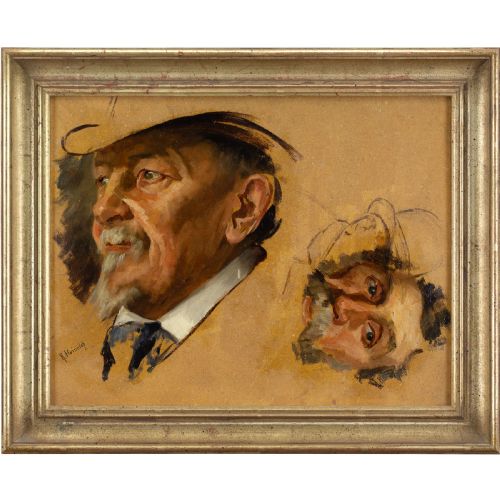
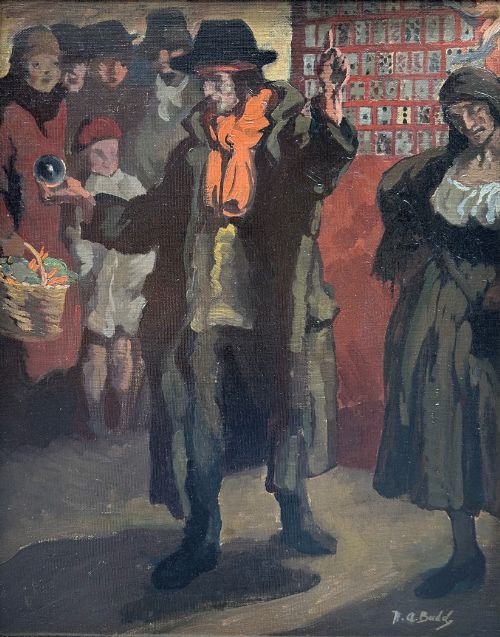
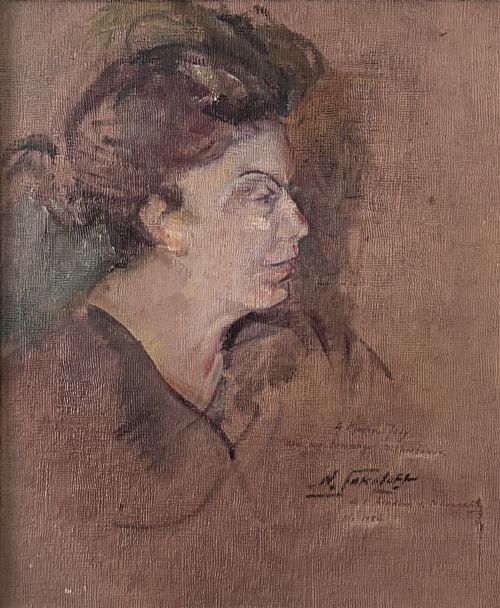
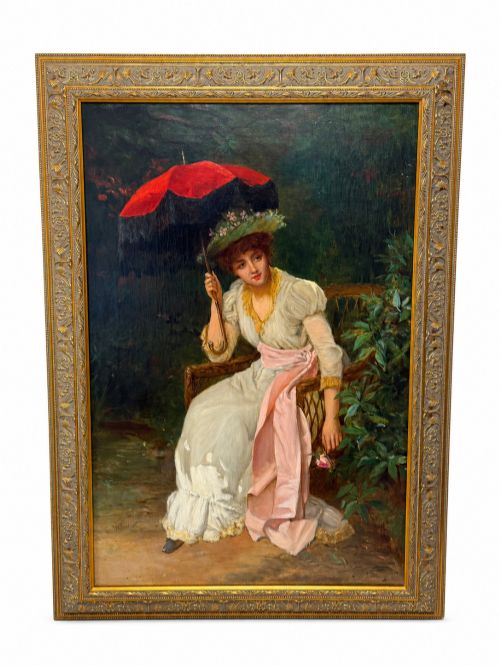
A signed portrait oil painting offers a direct link to historical sitters and named artists whose identities are recorded on the canvas or panel. These works range from formal 18th-century depictions of nobility to 19th-century studies of society ladies and gentlemen, alongside early 20th-century character sketches.
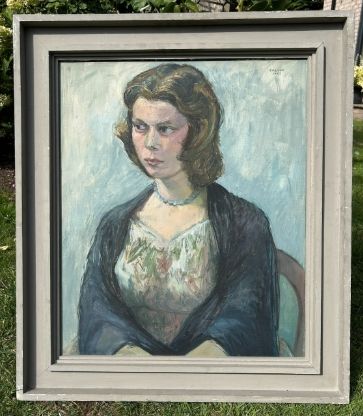
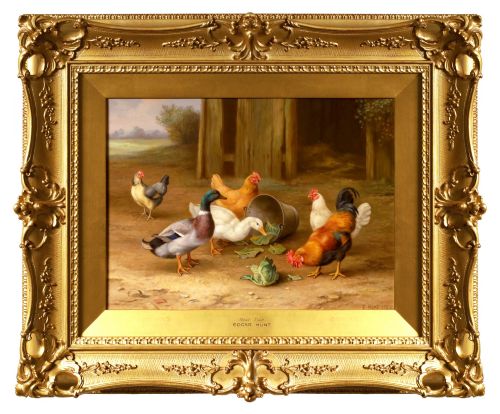
The selections span canvas, wood panel, and board supports, encompassing both British and continental schools. Buyers encounter formal commissions as well as intimate domestic portraits and animal studies executed in oil.
Victorian and Edwardian examples predominate on this page, accompanied by earlier Georgian pieces and mid-century modern interpretations. Each canvas preserves the likeness of its subject through the personal touch of a named painter.
How They Were Made
Artists painted primarily with oil pigments bound in drying oils, applied to prepared woven canvas stretched over wooden frames. Alternative supports included sturdy wood panels, copper plates, and artist boards that provided a rigid foundation for detailed brushwork.
Painters built up their compositions through successive layers of opaque and translucent paint, often finishing works with protective varnish coats. Many pieces retain their original or period giltwood frames, which complement the depth and tone of the oil medium.
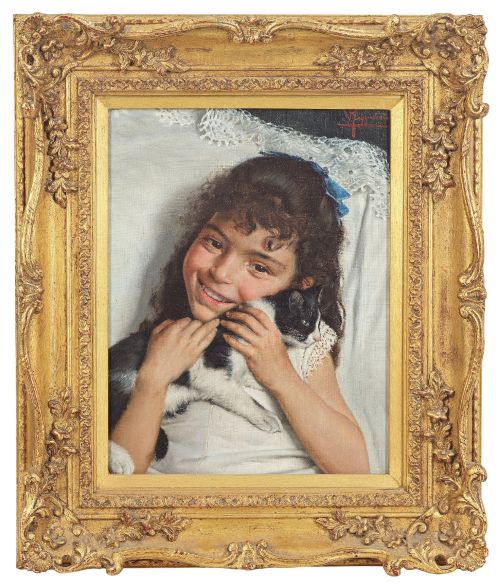
Cats peer from several canvases, proving that Victorian and Edwardian sitters were just as eager to immortalise their pets as their children.
What Varies In Quality
The skill of the brushwork and the precision of facial anatomy distinguish master portraiture from standard workshop output. Subtle handling of light across fabric and skin demonstrates an artist's command over the oil medium.
The significance of the sitter and the documented standing of the artist influence the historical importance of the piece. Preservation of the original paint surface and the integrity of the canvas or panel further determine the enduring value of the artwork.
Vittorio Reggianini·Herbert Ashwin Budd·Edgar Hunt·John Emms·Nicolaes Maes·Henri Vincent-Anglade·Septimus Scott·Lance Calkin·John Trivett Nettleship·Fred Yates
The Signed Portrait Oil Painting Glossary
- Canvas
- A heavy woven fabric, usually linen or cotton, stretched tightly across a wooden frame to serve as a painting surface. It provides a slightly flexible texture that responds well to traditional oil layering techniques.
- Giltwood
- Wood carved and coated with a thin layer of gold leaf or gilt paint, commonly used for period picture frames. These ornate surrounds enhance the visual weight of oil paintings.
- Panel
- A flat piece of wood or board utilised as a rigid alternative to canvas for oil painting. Wooden supports were frequently favoured by artists working before the nineteenth century.
- Provenance
- The documented history of ownership surrounding an artwork, establishing its authenticity and lineage. Clear records connect a specific painting to its creator and past collections.
- Impasto
- A technique where paint is laid onto a canvas in very thick areas, making brush marks or knife strokes clearly visible. This method adds a tactile, three-dimensional quality to the surface of the portrait.
Signed Portrait Oil Painting: Frequently Asked Questions
How do I identify the artist?
Look for a signature, monogram, or date inscribed directly onto the paint surface, usually located near the lower corners of the canvas. Inscriptions on the reverse of the panel or stretcher frame also frequently record the creator's name and the title of the work.
Comparison with documented examples by the same hand helps confirm attribution. Faint or indistinct signatures often require raking light to read clearly against the darker pigments.
Were these painted from life?
Most formal portraits were executed from direct sittings where the subject posed for the artist over several sessions. Painters captured skin tones, expressions, and clothing details through careful observation in the studio.
Posthumous portraits or copies were sometimes produced from earlier sketches or photographs, particularly by the later nineteenth century. The immediacy of brushwork often reveals whether the artist worked in the direct presence of the sitter.
How should I clean my oil painting?
Dust accumulated on the canvas or frame should be removed gently using a very soft, dry brush without applying pressure. Avoid using water, household cleaners, or solvents on the painted surface, as these substances can dissolve historical varnish layers and pigments.
Professional conservators should handle any deep cleaning or the removal of discoloured varnish. Regular inspection in stable indoor environments prevents most preservation issues.
What framing is correct for these?
Period giltwood frames from the same decade as the painting provide the most historically appropriate housing. Moulding styles evolved from deep, ornate Victorian plaster frames to simpler wooden profiles in the twentieth century.
A harmonious frame enhances the depth of the oil palette while protecting the outer edges of the canvas from physical damage.