







Original Oil Painting Boy
An original oil painting boy brings character and historic depth to a room through traditional portraiture.
Original Oil Painting Boy
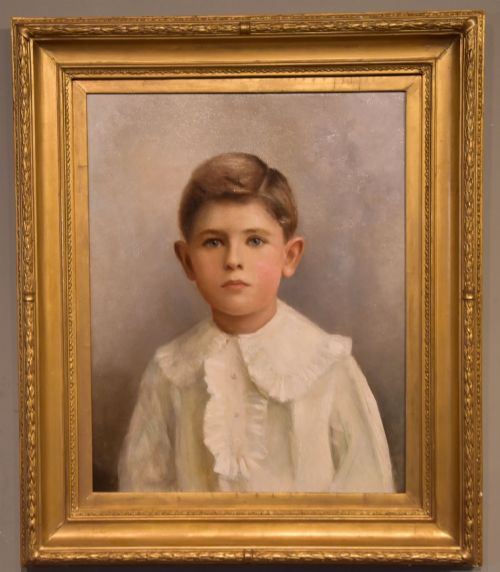
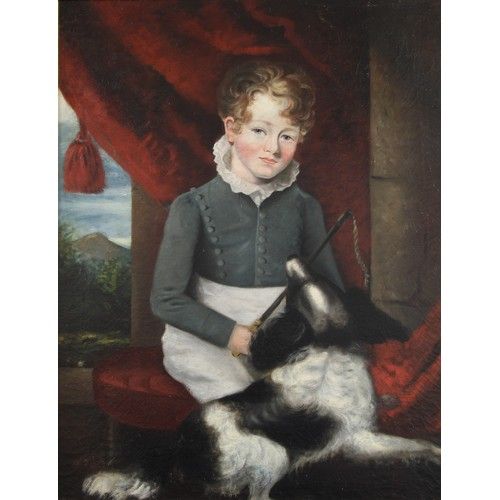
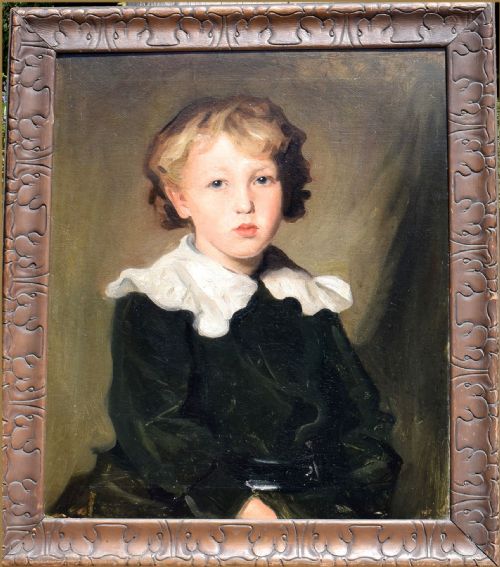
An original oil painting boy presents historic portraiture and genre scenes featuring children, created across multiple centuries. These works range from formal Regency studies to mid-century modern interpretations and impressionist compositions.
The most common examples encountered on this page date from the nineteenth century and early twentieth century. They typically depict individual subjects in oil on canvas or wood panel, often framed in giltwood.
How they were made
Artists painted primarily with oil pigments onto prepared canvas or wood panels. Canvas offered flexibility and texture for larger works, whilst wood panels provided a rigid, smooth support for smaller detailed studies.
Framing often involved carved gilt or giltwood to complement the rich tones of the oil paint. These traditional materials ensured durability and depth of colour over generations.
Listings feature works spanning the eighteenth century to the mid-twentieth century, executed in oil on canvas and wood panel.
What varies in quality
Skill in handling anatomy, expression and light determines the distinction between a standard anonymous school work and a master portrait. Stronger pieces capture realistic posture and facial nuance rather than rigid conformity.
The sophistication of the brushwork and the preservation of the original paint surface define the overall standard. Works with confident, expressive application stand apart from stiff or overly flat compositions.
George Graham·Margaret Sarah Carpenter·Henry Windsor Fry·Septimus Scott·Thomas Beach·Herbert Butler·Robert Macaulay Stevenson·Charles McAuley·William Orpen·Sir James Guthrie
The Original Oil Painting Boy Glossary
- Oil on canvas
- Pigment suspended in a drying oil applied to a woven fabric stretched across a wooden frame. This combination allows for rich colour blending and textured brushwork.
- Wood panel
- A rigid wooden support used as a base for painting instead of fabric. Panels provide a stable, smooth surface favoured in earlier and smaller format works.
- Giltwood
- Carved wood coated with a thin layer of gold leaf or gold paint. This finish frequently frames traditional oil paintings to enhance their visual weight.
- British Impressionism
- A painting style adopting loose brushwork and an emphasis on light, developed by British artists influenced by the French movement.
- Regency
- A period of British history spanning the early nineteenth century, known for distinct neoclassical portraiture and furniture styles.
Original Oil Painting Boy: Frequently Asked Questions
What periods do these paintings come from?
The works span several centuries, with particular representation from the eighteenth, nineteenth, and early twentieth centuries.
Pieces also extend into mid-century modern and later decades, reflecting changing artistic styles over time.
What surfaces were used?
Artists painted primarily on stretched canvas or solid wood panels. Canvas was standard for larger compositions.
Wood panels appear frequently in smaller studies and earlier works, offering a rigid support for fine detail.
How should I hang an oil painting?
Display paintings away from direct sunlight and excessive moisture to protect the oil pigments and canvas. Secure fixings suited to the weight of the frame are essential.
Ensure the wall space supports the proportions of the giltwood or wooden frame accompanying the artwork.
What subjects accompany the portraits?
Many compositions feature boys in domestic, rural, or coastal settings, occasionally accompanied by animals such as dogs or birds.
Other works place the subject within narrative scenes, including reading, fishing, or leisure activities.