




Signed Original Landscape
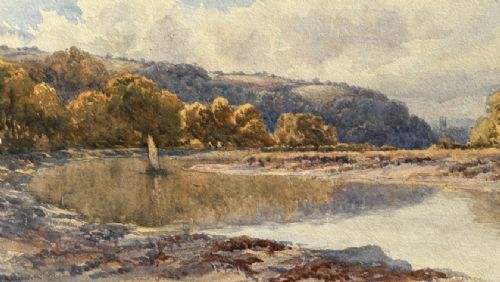
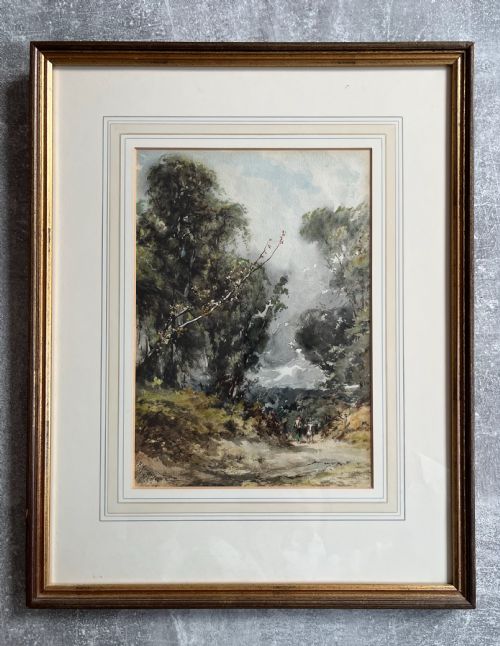
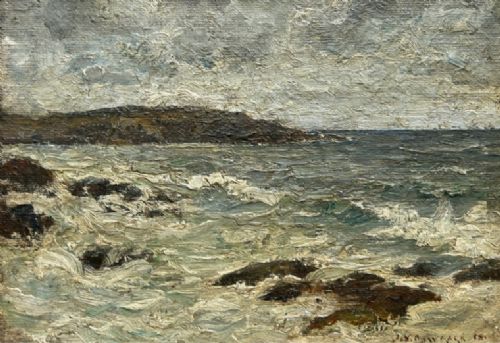
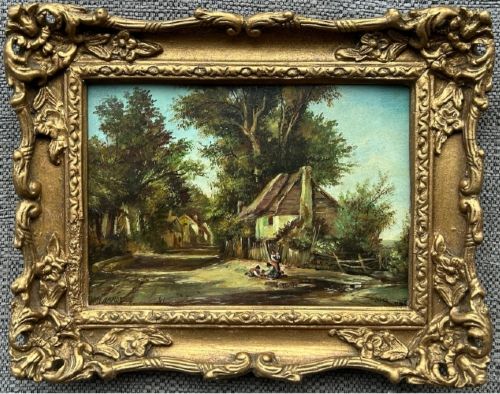
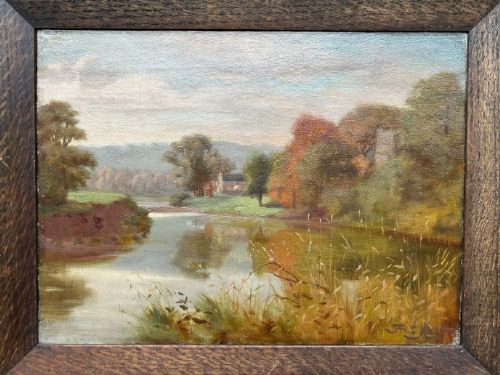
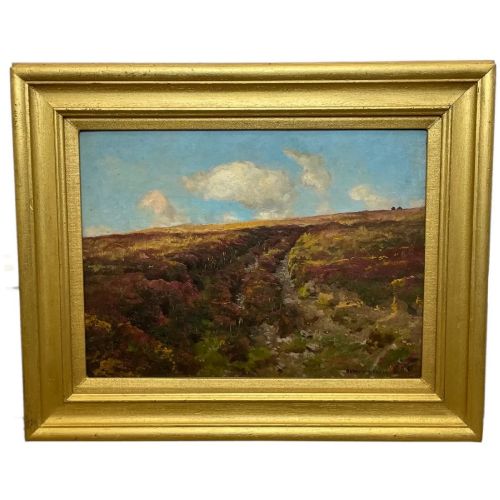
When you search for a signed original landscape, you uncover hand-painted watercolours, oils, and drawings capturing British and European countryside and coastal views.
Signed Original Landscape
A signed original landscape represents a unique painting or drawing directly executed by the hand of an artist rather than reproduced mechanically. These works span the nineteenth century through the mid twentieth century, encompassing Victorian, Edwardian, and post-war periods.
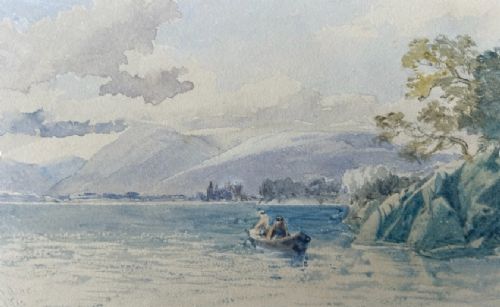
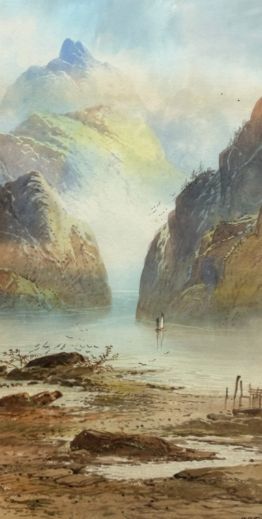
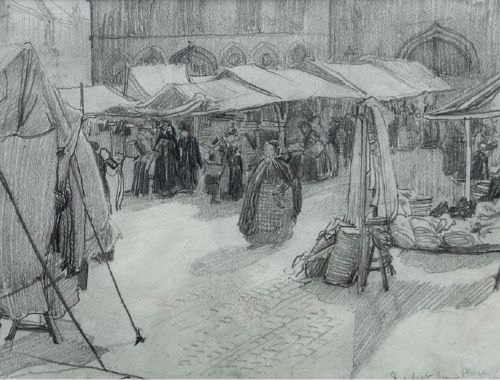
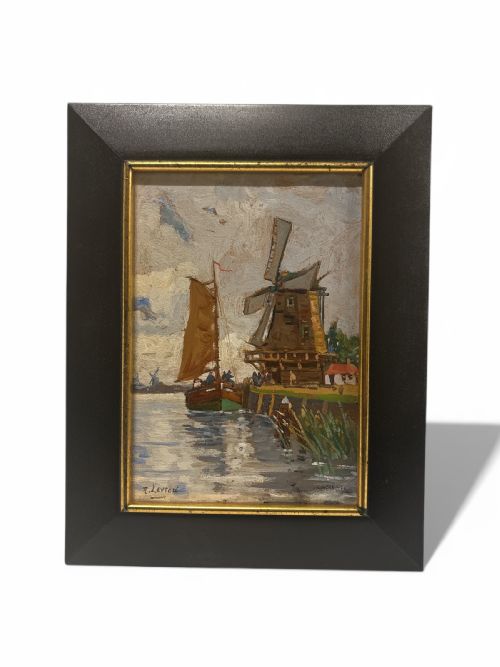
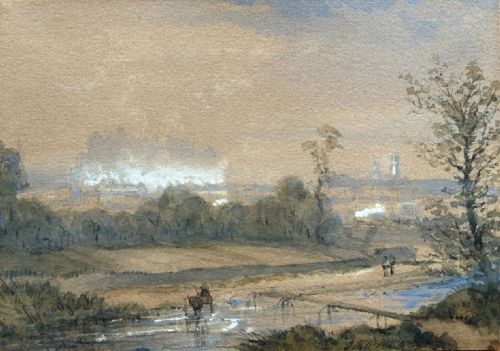
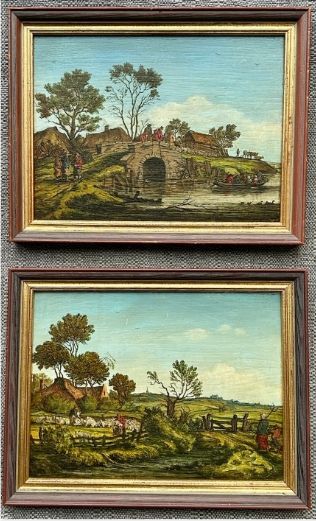
The subjects on this page lean heavily toward British and Scottish scenery, featuring rural valleys, rivers, coastal harbours, and mountainous terrain. Buyers encounter framed watercolours on paper alongside oil paintings executed on canvas, wood panel, and board.
Many pieces bear legible signatures or monograms from period painters, recording specific locations from Cornwall to the Scottish Highlands. The selection offers direct insight into regional plein air observation and traditional studio practice across successive decades.
Materials and technique
Artists relied primarily on watercolour paints applied to paper or oil paint laid onto canvas, wooden panels, and millboard. Canvas stretched over wooden frames or boards provided a sturdy ground for heavier impasto oils, while watercolours utilised fluid washes on paper supports.
Pencil and pastel drawings capture preliminary details or stand as finished works in their own right, often framed behind glass to protect the fragile media. Gilt frames frequently accompany these paintings, providing a traditional decorative border contemporary to the artwork's creation.
Several artists preferred painting misty Scottish lochs, presumably keeping rain-soaked watercolours safe beneath stubborn woollen caps.
Assessing quality
Quality rests upon the confidence of the brushwork, the handling of light and atmosphere, and the preservation of the physical support. Stronger compositions demonstrate a purposeful command of medium, whether through transparent watercolour washes or rich oil pigment.
Condition plays a central role, distinguishing works preserved with vibrant pigments and original framing from those compromised by fading or damp. The clarity of the artist signature and documentation of the depicted location further elevate the standing of an individual piece.
Kenneth Cozens·George Fotherly Hargitt·Thomas Miles Richardson Jnr·James Orrock·William Henry Earp·Henry Percy Huggill·John R Prentice·William H Myers·Tom Campbell·Frederick Marriott·Arthur Wardle·Alfred Fontville de Breanski Jr·Sidney A Court·Robert Leslie Howey·George Houston·William Banks Fortescue·Robert Morson Hughes·Thomas W Lascelles·William Joseph Boyes·Arthur Gué·Lucy Pratt·Eric Brown·John Bond·Alfred G Morgan
The Signed Original Landscape Glossary
- Watercolour
- A paint consisting of colour suspended in a water-soluble vehicle, typically applied to paper in translucent washes. It allows for luminous effects suited to capturing changing weather and skies.
- Impasto
- The process of laying paint thickly on a canvas or board so that it stands out in relief. This technique leaves visible brush or palette knife marks that give texture to water, rocks, or foliage.
- Plein air
- Painting outdoors in direct observation of the landscape and natural light. Artists took portable easels into the countryside to record transient atmospheric conditions directly.
- Panel
- A flat piece of wood or board used as a rigid support for oil paintings. Wooden panels were common in nineteenth-century works before canvas and millboard became widely adopted.
- Monogram
- A motif made by overlapping or combining two or more letters to form a recognizable cipher. Artists frequently used these initials to sign works discreetly.
Signed Original Landscape: Frequently Asked Questions
How do I date a signed landscape painting?
Dating relies on a combination of artist biographical records, costume or architecture depicted in the scene, and the physical materials used. Canvas types, framing styles, and handwritten inscriptions on the reverse often provide reliable chronological clues.
Comparison with documented works by the same hand in archives helps narrow the decade of creation. Stylistic shifts between Victorian academic traditions and later impressionistic handling also point toward specific periods.
What is the difference between watercolour and oil landscapes?
Watercolour paintings use water-soluble pigments on paper, creating translucent effects that require protection under glass. They capture delicate atmospheric shifts and rapid field sketches with distinct immediacy.
Oil paintings utilise pigments bound in drying oils on canvas, panel, or board, allowing for thicker impasto texture and richer colour saturation. These works are more robust and traditionally hang without glass protection.
How should I care for an antique painting?
Antique artworks require stable indoor environments away from direct sunlight and damp conditions to prevent pigment fading and paper degradation. Keeping them clear of extreme temperature fluctuations protects both the support and any historic frame.
Watercolours behind glass need sealed backing boards to block dust and moisture ingress. Oil paintings on canvas benefit from occasional gentle dusting with a soft, dry brush by someone experienced in handling historic surfaces.
Where were these regional British landscapes painted?
Artists travelled extensively across the British Isles to record recognizable regional scenery, from the rugged topography of the Scottish Highlands and Lake District to Cornish coastal harbours. Popular sketching grounds included Welsh river valleys and rural English farmlands.
Many works document specific historical locations such as named castles, mills, and beaches. Local topography served as a primary draw for painters working in both oil and watercolour.