




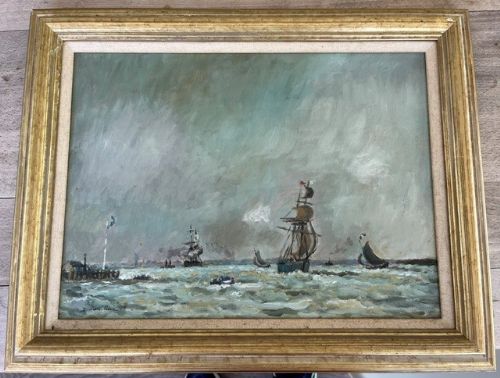
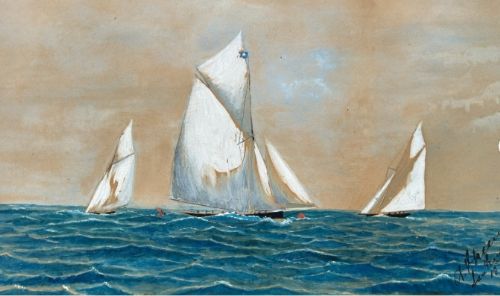


Signed Coastal Seascape Painting
When you seek a signed coastal seascape painting, you hunt for an authenticated window onto the shore, captured by a named hand.
Signed Coastal Seascape Painting
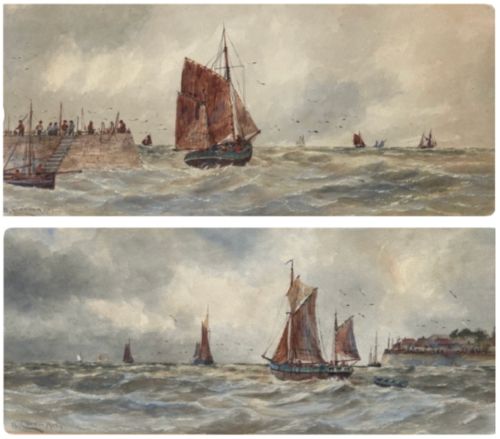
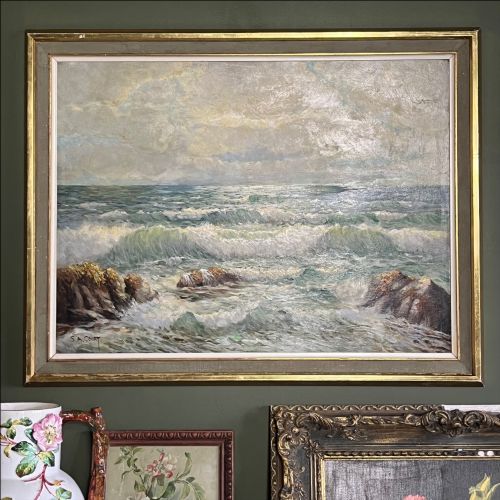
A signed coastal seascape painting brings the shoreline and the open sea into domestic spaces through the precise vision of identified artists. These works capture maritime life, from bustling harbours and fishing boats to quiet tidal inlets and rocky headlands.
You meet watercolours on paper and oil paintings on canvas, board, or wood panel. The selections range from 19th century Victorian views to mid-20th century interpretations.
British artists dominate the selection, alongside continental European and American examples. Cornwall, Yorkshire, and foreign ports appear frequently as documented locations.
How they were made
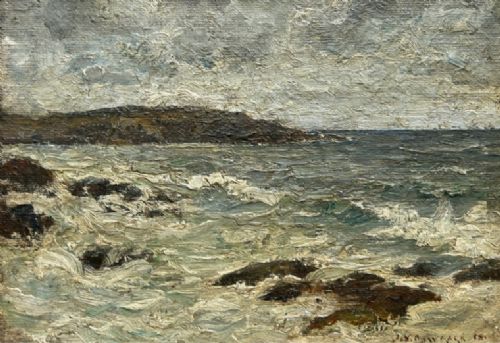
Artists utilise oil paint or watercolour pigment applied to canvas, wood panel, or heavyweight paper. Oil allows for thick, textured impasto strokes that build up the churning motion of waves or the solid form of coastal rocks.
Watercolour requires swift, transparent washes on paper to capture the changing light of skies and sea surfaces. Supports are frequently framed behind glass for watercolours or stretched over wooden frames for oils, often finished with gilt wood mouldings.
Listings feature works executed on paper, canvas, board, and wood panel, spanning the nineteenth and twentieth centuries.
What varies in quality
The strength of the composition and the confidence of the brushwork separate standard works from superior examples. Masterful handling of light, atmospheric perspective, and movement in water demonstrates the artist's true capability.
The clarity and placement of the signature, along with any contemporary dating or titled locations on the reverse, add documentary weight. Condition of the pigment, stability of the canvas or paper, and the appropriateness of the frame influence the overall integrity of the piece.
Kenneth Cozens·James Orrock·William Cannon·Sidney A Court·B Nash·William Banks Fortescue·Bernard Benedict Hemy·Fernando Del Basso·John Bell·Frederick William Booty·Kate E Booth·Frank Wood·Frank Wasley·William Langley·S J Lamorna Birch·J Wilson·Fred Lawson·Edward Wesson·Charles W Adderton·F Legge·Charles D'Oyly·Frank Hider·Walter Witham·Edward Arden Tucker·Robert Ernest Roe
The Signed Coastal Seascape Painting Glossary
- En plein air
- Painting outdoors to capture natural light and direct observations of the coastal weather. This method ensures immediate vitality in the brushwork.
- Impasto
- Paint laid on an area of the surface in thick layers, standing out visibly from the canvas. It is frequently employed to render churning sea foam or textured rocks.
- Watercolour pigment
- Finely ground colour suspended in a water-soluble binder, applied in washes to paper. It relies on the white of the paper to shine through transparent layers.
- Gilt
- A thin layer of gold leaf or gold paint applied to wooden picture frames. It provides a reflective border that enhances the tones within the painting.
Signed Coastal Seascape Painting: Frequently Asked Questions
How do I identify the artist's signature?
Signatures typically appear in the lower corners of the painting, rendered in pigment or graphite depending on the medium. Some works feature inscriptions, dates, or titles written on the reverse of the canvas or board.
Comparing the hand with known examples from the period helps confirm attribution. Faded signatures benefit from examination under neutral lighting.
What periods do these paintings cover?
The available works span from the early 19th century through the Victorian and Edwardian eras, extending into the mid-20th century. Each era brings distinct stylistic approaches to maritime subjects.
Victorian pieces often favour detailed realism, whereas mid-20th century works lean towards impressionistic or modernist interpretations.
How should I frame and display watercolour seascapes?
Watercolours require conservation framing behind glass to protect the pigment from ultraviolet light and atmospheric moisture. Acid-free mounts prevent discolouration of the paper over time.
Display these works away from direct sunlight and damp environments to preserve the integrity of the paper and pigments.
What subjects are common in these coastal scenes?
Common subjects include fishing boats navigating choppy seas, tranquil harbours, Whitby or St Ives coastal views, and rocky shorelines. Artists frequently recorded local maritime industries and daily harbour life.
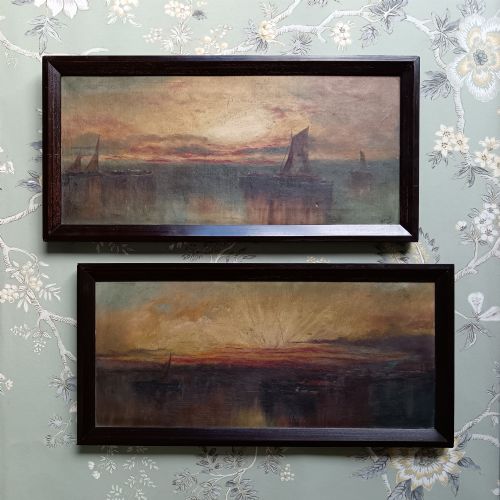
Depictions range from calm morning sunrises to dramatic evening tides off British and European coasts.