





Signed Art Deco Sculpture
These signed art deco sculpture pieces bring the signature lines and foundry marks of the interwar period straight into a room.
Signed Art Deco Sculpture
A signed art deco sculpture represents the distinct sculptural output of the 1920s and 1930s, bearing the incised or cast signature of the maker. Collectors seeking signed art deco sculpture encounter human figures, dancers, athletes, and animalier subjects produced in France, Italy, and beyond.
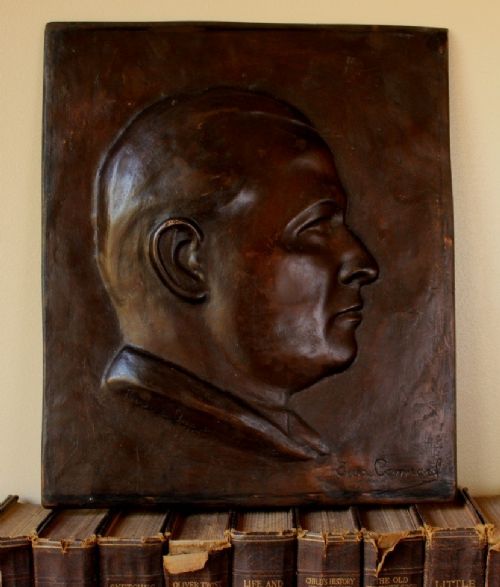
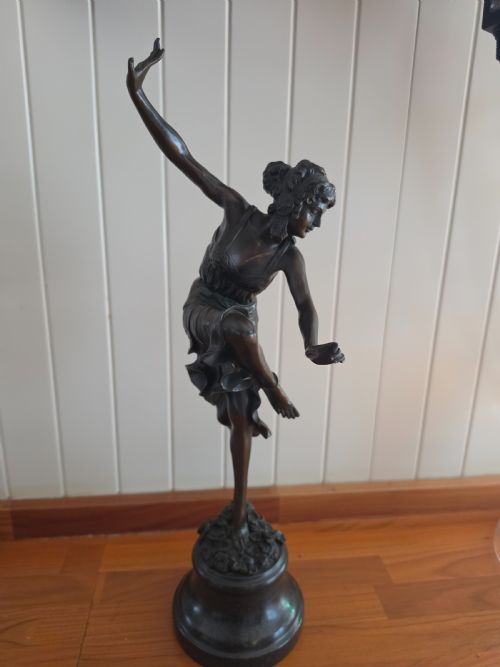
The objects take several familiar domestic forms, including freestanding cabinet figures, bookends, wall plaques, and figural lamp bases. Bronze and spelter versions depicting panthers, stags, and female dancers dominate the selection, frequently mounted on shaped marble bases.
Pieces from this category bridge fine art and decorative design, reflecting the streamlined geometry and stylized motion characteristic of the era. The presence of an authentic signature links the physical object directly to the hand or studio of the designer.
Materials and casting methods
Foundries utilised both lost-wax casting for bronze and slush-casting for spelter, capturing intricate details of drapery, musculature, and feathers. Spelter figures often received patination to simulate heavier metal, while bronze works displayed green, brown, or silvered finishes.
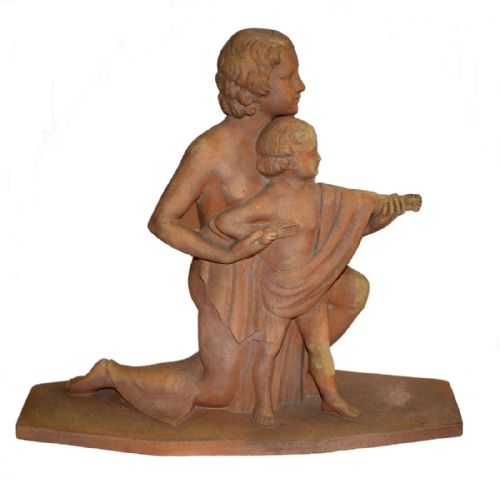
Carved pieces relied on natural media such as Italian marble, alabaster, hardwood, and terracotta. Artisans worked these materials by hand to create smooth contours and contrasting textures suited to interior display.
Listings feature materials spanning bronze, spelter, marble, alabaster, terracotta, and hardwood across objects like bookends, wall plaques, and freestanding figures.
Foundry standard and material finish
The integration of the figure with its base dictates overall success, particularly where multi-media elements join together. Premium examples feature substantial marble plinths, tight joints, and harmonious material pairings that reflect the original designer's intent.
Eugene Canneel·C J R Colinet·V Ramirez·L Gerfaux·D H Chiparus·Albert Hussmann·R Henn·P Marec·I Rochard·Herzig·B Rezl·Ary Bitter·Geo Maxim·Cipriani·Carlier·C H Valton·A Ouline·Plagnet·Auguste Moreau·Prof O Poertzel·Pugi·M Leduc·Uriano·Becquerel·L Morelli
The Signed Art Deco Sculpture Glossary
- Spelter
- A zinc-lead alloy commonly utilised as a cost-effective alternative to bronze in interwar decorative figures. It accepts patination well but possesses a lower melting point and softer surface.
- Patina
- The surface coloration or chemical film developed naturally over time or applied intentionally by the artist. It protects the metal and defines the visual depth of the sculpture.
- Animalier
- A style focusing on the realistic or stylized portrayal of animals, particularly wild beasts in motion. Big cats and stags frequently appear in this genre.
- Ivorine
- A proprietary synthetic material simulating ivory, frequently combined with spelter in figural sculpture. It provides pale contrast to dark patinated metal elements.
- Terracotta
- Fired clay utilised for sculptural modeling before glazing or finishing. It allows direct hand-manipulation by the artist.
Signed Art Deco Sculpture: Frequently Asked Questions
How do I spot a fake signature?
Genuine signatures appear naturally integrated into the medium, whether incised into the wet clay before firing, stamped into hot metal, or cast directly into the bronze from the original model. Modern forgeries often show erratic scratching or uneven depth applied after the casting or carving process is complete.
Compare the style of the lettering against known examples by the same maker from the period. Inconsistencies in the font or placement usually indicate a later addition intended to inflate value.
What is spelter?
Spelter is a zinc-based alloy that makers utilised as an economical substitute for bronze during the 1920s and 1930s. It allowed studios to produce affordable decorative figures for the burgeoning middle-class home market.
While softer and lighter than bronze, spelter accepts cold-painted finishes and metallic patination effectively. Collectors identify it by its relative lightness and occasional grey showing through worn areas.
Where were these sculptures displayed?
Interwar homeowners placed these pieces on mantelpieces, sideboards, and occasional tables as focal points of modern interior design. Bookends sat upon library shelves, while floor lamps illuminated corners of reception rooms.
The smaller figurines and animalier groups suited apartment living, reflecting contemporary tastes for sleek, cosmopolitan ornamentation.