







Shiraz Woven Rug
A shiraz woven rug brings rich South Persian tribal artistry into a room, valued for its expressive motifs and enduring wool construction.
Shiraz Woven Rug
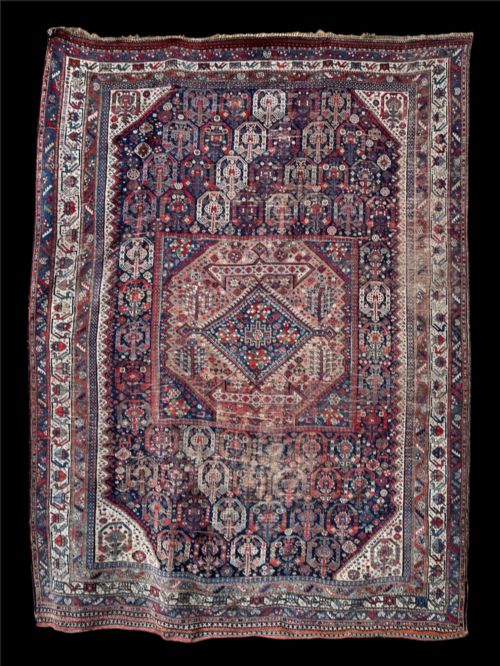
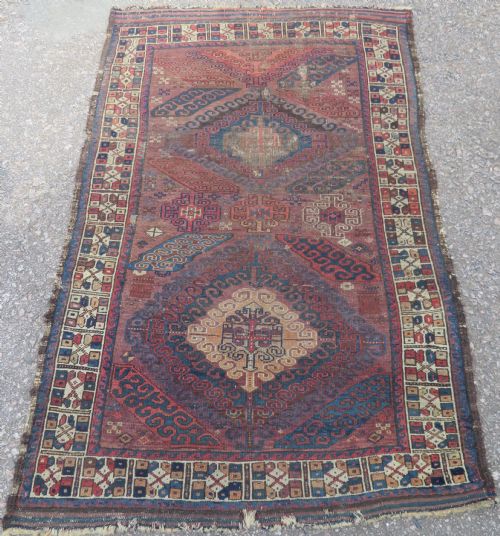
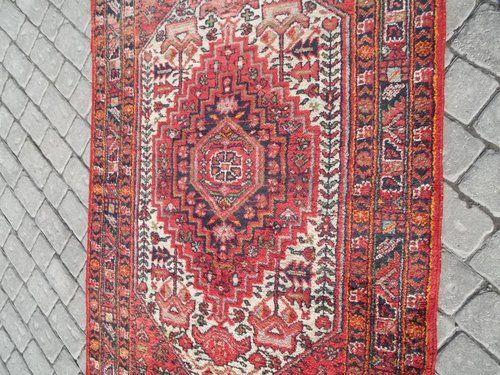
When you search for a shiraz woven rug, you encounter traditional South Persian and tribal textiles spanning the late nineteenth century through to the early decades of the twentieth century. These pieces encompass various formats, from full carpets and area rugs down to smaller utility objects like bagfaces and saddlebags.
The objects listed here predominantly reflect Persian tribal traditions, notably Qashqai and Khamseh work. You will frequently find characteristic layouts featuring centre medallions, large boteh designs, or pictorial elements such as pillars.
Originating from South West Persia, these woven rugs demonstrate the distinct design vocabulary of nomadic and village weavers. The selection on this page captures this heritage through hand-woven wool execution across multiple generations of production.
Materials and construction
The physical foundation of these textiles relies entirely on natural materials, utilising wool for the pile and structure alongside cotton in specific configurations. Hand-weaving techniques dictate the production, creating robust floor coverings and durable nomadic containers.
Weavers employed traditional methods passed down through tribal groups, resulting in dense wool surfaces capable of withstanding heavy daily use. The interplay of hand-spun fibres and natural dyeing traditions gives each piece its characteristic handle and visual depth.
Shiraz Woven Rug Retail Price Guide 2026
Typical asking prices for shiraz woven rug among the pieces listed under this phrase on Sellingantiques today, from the lower quarter to the upper quarter. They describe what is for sale here now, not the wider market.
Listings span from eighteen-seventy up to nineteen-thirty, showcasing traditional wool and cotton materials across multiple Persian tribal styles.
Assessing quality and execution
Quality in these South Persian textiles rests on the precision of the hand-weaving and the complexity of the design layout. Finer examples display tightly packed knots and crisp delineation of motifs, whether depicting geometric medallions or elaborate pictorial narratives.
The condition and integrity of the wool pile also separate standard domestic pieces from exceptional tribal examples. Greater finesse in the handling of traditional symbols elevates the artistic merit of the rug.
The Shiraz Woven Rug Glossary
- Boteh
- A stylised floral motif resembling a almond or curved pear shape. This ancient design appears frequently across Persian tribal weaving.
- Bagface
- The decorative front portion of a nomadic storage sack or khorjin. These smaller panels were often preserved as standalone rugs.
- Medallion
- A central ornamental design motif placed in the middle of the field. It serves as the focal point for many tribal carpet compositions.
- Khorjin
- A traditional double saddlebag used by nomadic groups for transport. Surviving fragments show the same intricate weaving techniques found in larger carpets.
- Nomadic
- Pertaining to pastoral peoples who move seasonally, carrying their weaving traditions with them. This lifestyle influenced the portable and robust nature of the textiles.
Shiraz Woven Rug: Frequently Asked Questions
How do I clean an antique rug?
Gentle surface vacuuming without a beater bar removes loose dirt from the wool pile safely.
Professional specialist cleaning is necessary for deeper maintenance to protect the natural dyes and fibres.
Where were these rugs made?
These textiles originate from South West Persia, produced by nomadic and tribal groups such as the Qashqai and Khamseh.
They reflect the traditional craft methods of specific regional confederacies operating across the nineteenth and early twentieth centuries.
Are these pieces hand woven?
Every piece in this category is hand woven using traditional techniques passed down through generations of weavers.
This manual construction method ensures each carpet or bagface possesses individual character and structural resilience.
What materials are used?
The construction relies primarily on wool, which forms the durable pile and structural foundation of the textiles.
Cotton is also utilised within the physical structure of certain pieces depending on the specific tribal origin.