

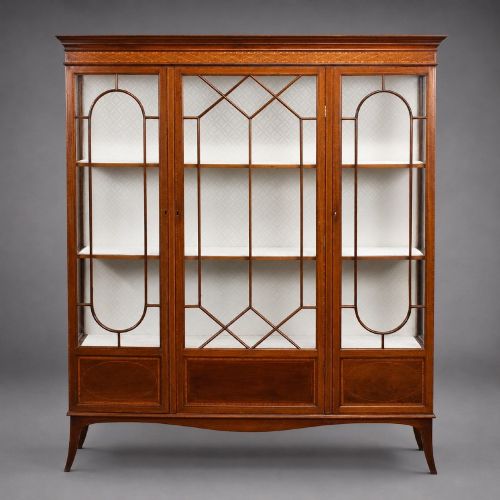
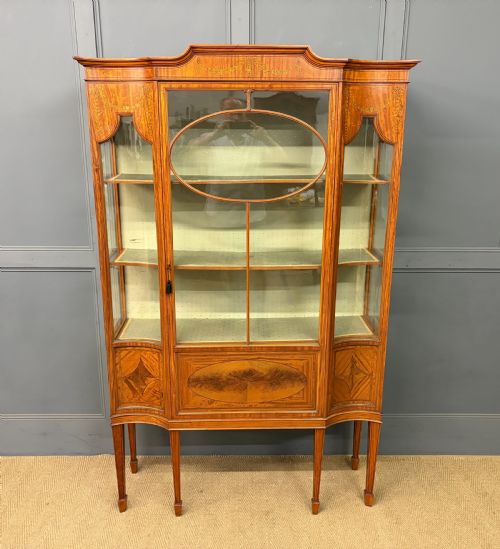
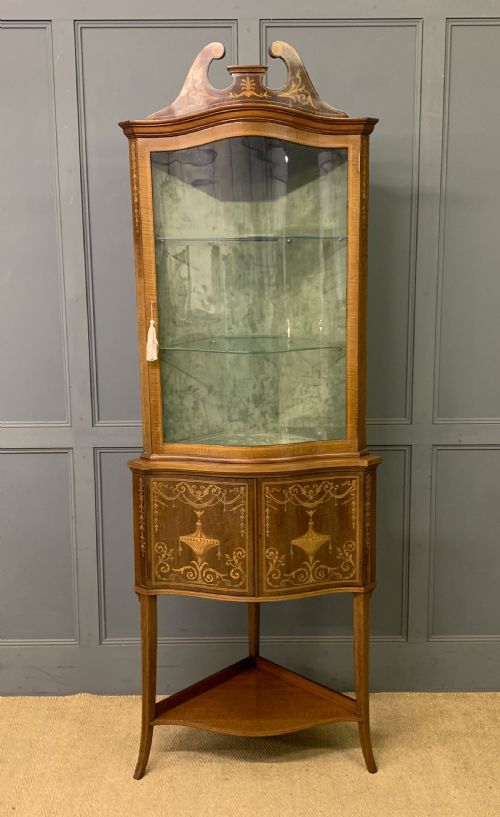


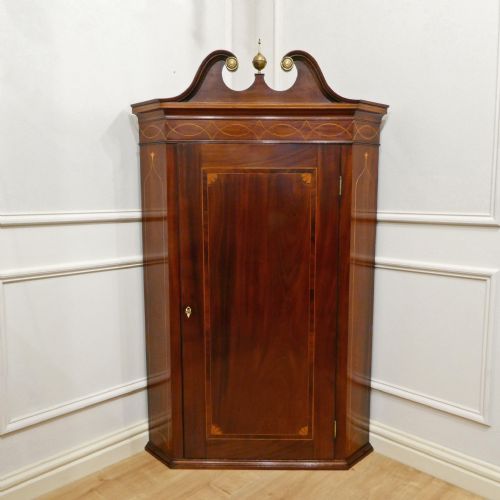
Sheraton Style Display Cupboard
A sheraton style display cupboard brings refined neoclassical geometry and delicate wood inlay into a room to showcase porcelain and glassware.
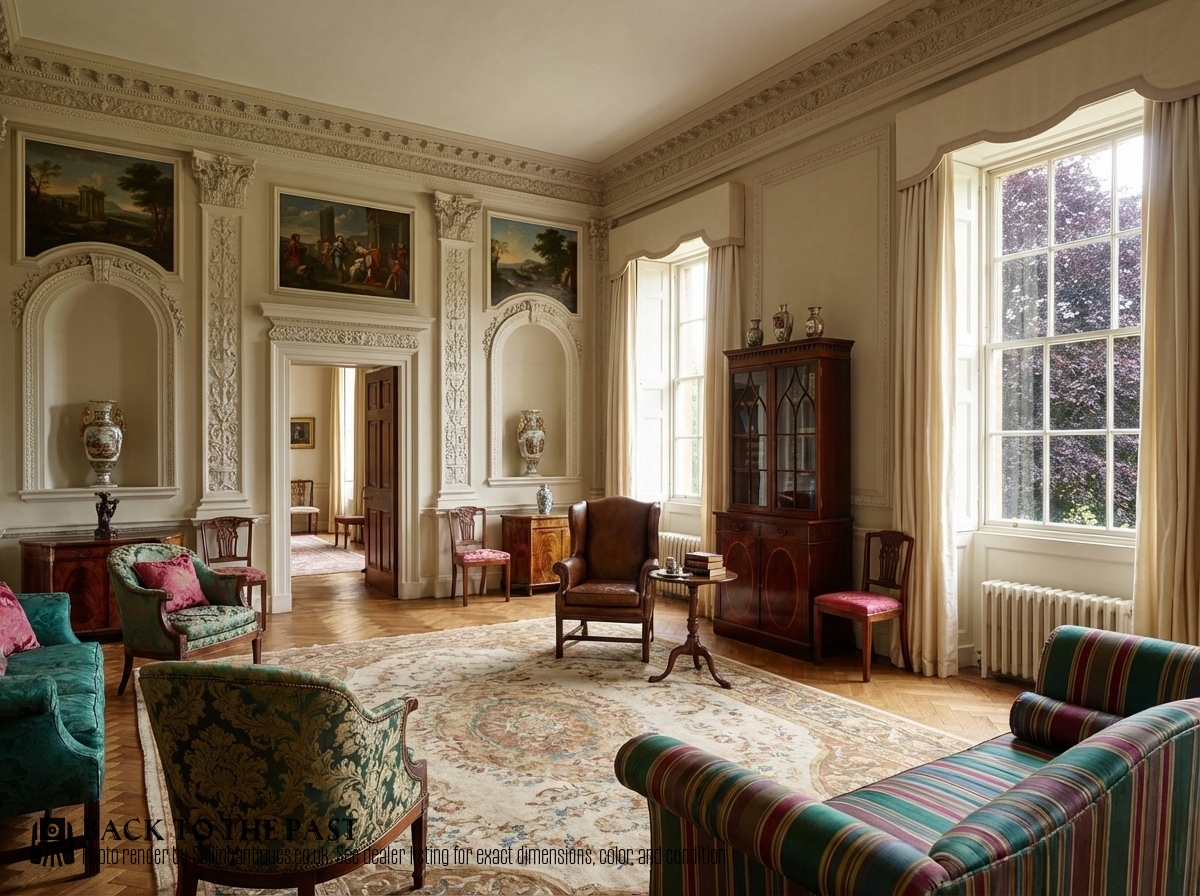
Sheraton Style Display Cupboard
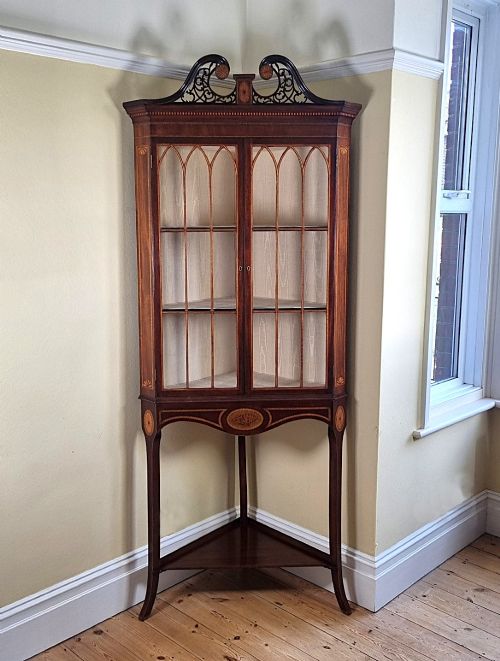
A sheraton style display cupboard draws on late eighteenth-century design principles characterised by straight lines, balanced proportions, and classical symmetry. You will most frequently encounter Edwardian and Sheraton Revival interpretations on this page, alongside genuine Georgian pieces, offering glazed storage for precious objects.
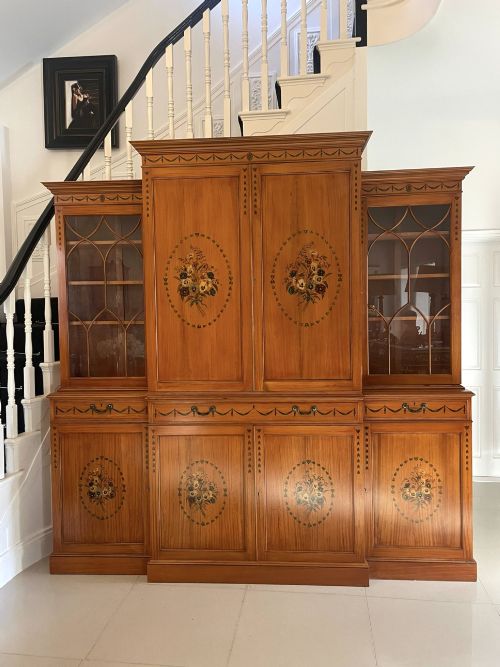
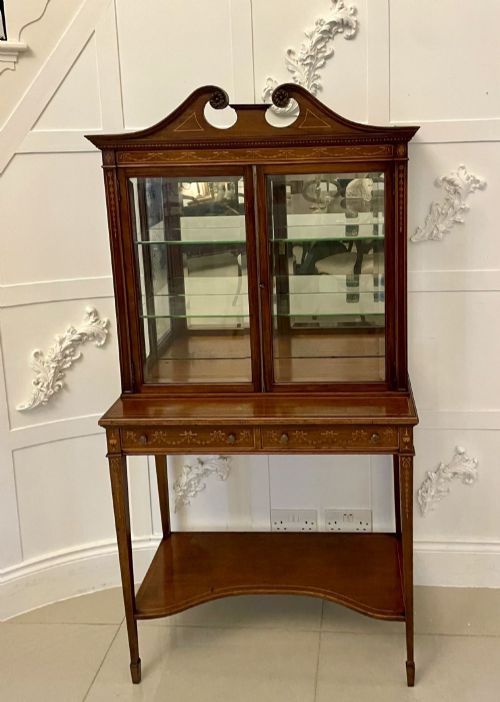
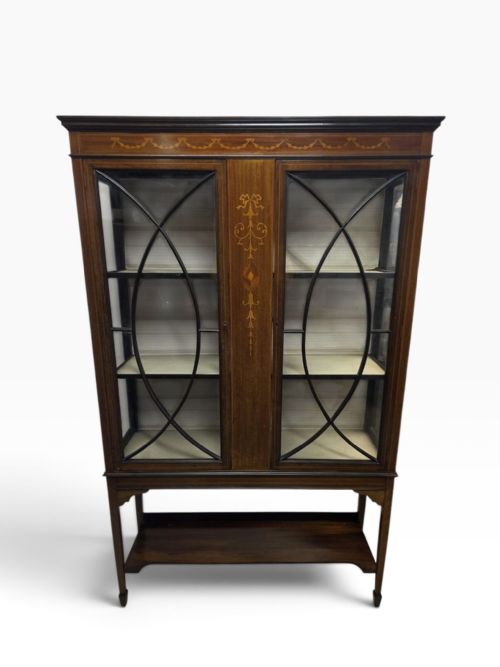
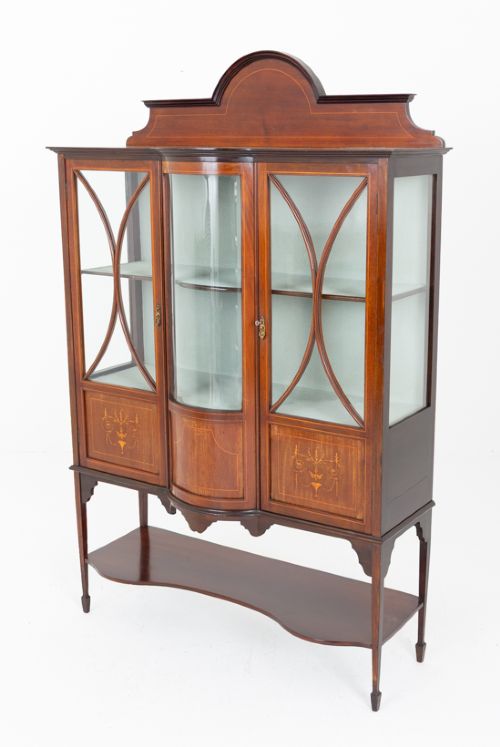
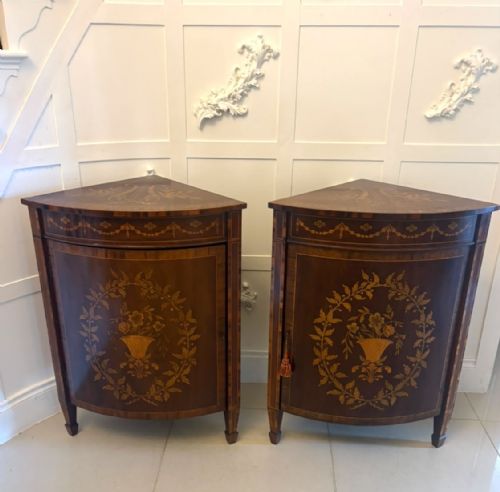
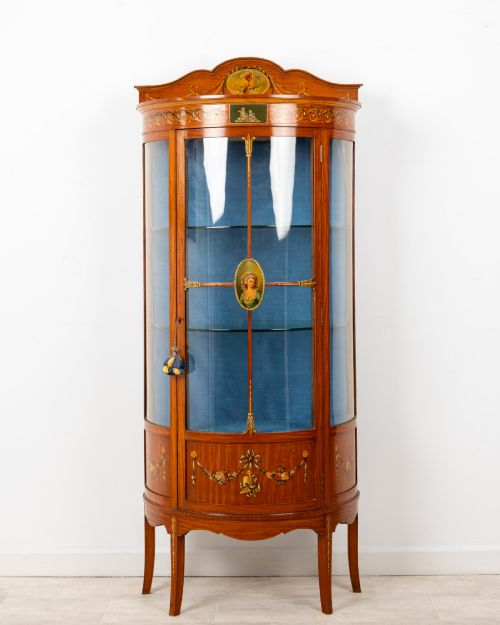
The forms vary across this selection from freestanding bow front and breakfront display cabinets to corner cabinets, wall-hanging cupboards, and cabinets on stand. These pieces serve to exhibit collections while adding architectural elegance to a drawing room or study through disciplined silhouettes.
The materials span mahogany and satinwood, frequently enriched with contrasting wood inlays and hand-painted decorations that reflect the neoclassical taste for light and refined surfaces.
How they were made
Cabinetmakers constructed the carcases using solid timbers such as mahogany and overlaid them with figured veneers, satinwood, and harewood. Glazed doors feature thin timber framing to maximise visibility into the interior shelving.
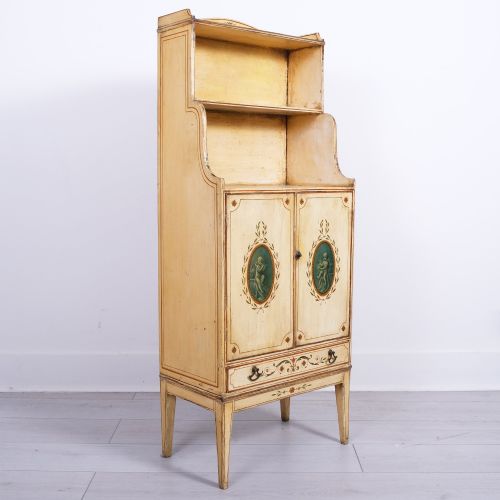
Decoration relies heavily on precision cutting of boxwood, brass, and dark timbers for wood inlay and marquetry motifs, tracing urns, bellflowers, and classical ribbons. Selected pieces incorporate painted decoration directly onto the wood surface.
Materials recorded across the selection include mahogany, satinwood, harewood, kingswood, brass, boxwood, and fabric.
What varies in quality
The standard of a sheraton style display cupboard rests upon the crispness of its inlay and the selection of its veneers. Superior examples display tightly matched grain patterns and meticulously cut banding where different timbers meet without gaps.
Execution of painted details and the fineness of the glazed framing further distinguish finer workshops from standard production. The weight of the brass hardware and the integration of original glass panes contribute to the overall integrity of the piece.
Maple & Co.
The Sheraton Style Display Cupboard Glossary
- Satinwood Revival
- A late nineteenth and early twentieth-century movement that recreated the light-toned neoclassical aesthetic of the Georgian period, often utilising contrasting stringing and marquetry. This style is widely represented among Edwardian examples.
- Marquetry
- The art of forming decorative patterns by fitting together small pieces of veneer into timber panels. Craftsmen used various coloured woods to create floral or classical motifs.
- Bow Front
- A convex curved cabinet front that projects outward in a smooth arc. This shape softens the corners of a room and creates dynamic visual depth.
- Breakfront
- A large piece of furniture where the central section projects forward from the flanking wings. It provides a grand architectural presence.
- Stringing
- Thin lines of contrasting timber inlaid into shallow channels on cabinet doors and cornices. It defines the structural edges of the design.
Sheraton Style Display Cupboard: Frequently Asked Questions
What rooms suit a sheraton style display cupboard?
These cabinets suit drawing rooms, dining rooms, and studies where refined proportions and glazed display space enhance the interior. Their light timber tones and classical lines complement traditional and transitional room schemes.
Position them away from direct sunlight to protect delicate satinwood veneers and painted decorations from fading over time.
How do I tell Georgian from Edwardian pieces?
Georgian pieces date from the eighteenth century and show authentic period construction methods, timber ageing, and hand-cut joinery. Edwardian pieces, often termed Sheraton Revival, date from the late nineteenth and early twentieth centuries and recreate this neoclassical style with machinery-assisted precision.
Examining the interior timber, drawer linings, and backboards usually clarifies the age of the piece.
How are these cabinets best cleaned?
Dust the surfaces regularly with a soft, dry cloth to prevent particulate buildup on satinwood and mahogany veneers. Avoid modern silicone sprays or harsh chemical polishes that can degrade nineteenth-century wax finishes.
Apply a traditional beeswax sparingly once or twice a year to nourish the wood and maintain a gentle lustre.
Can corner cabinets hold heavy china?
Corner cabinets utilise triangular shelving designed to fit room angles efficiently, but timber thickness dictates weight limits. Most historical shelves suit porcelain, glassware, and lighter decorative items rather than heavy stoneware.
Check the stability of the shelf supports and wall fixings before loading glass-fronted display spaces.