



Sheraton Period Cabinet
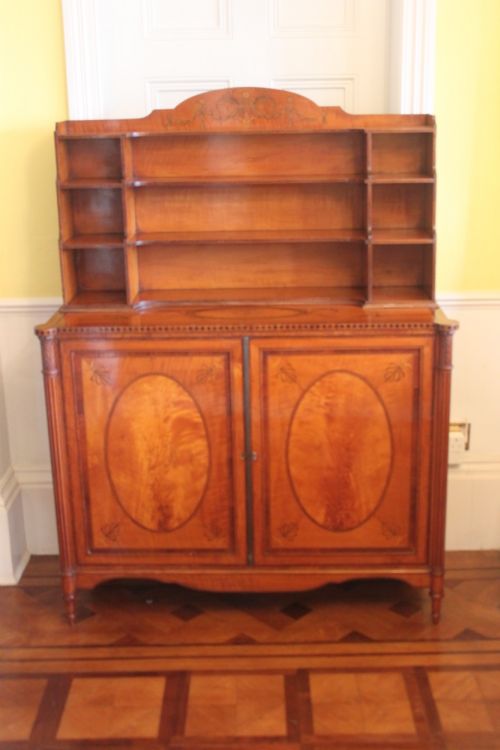
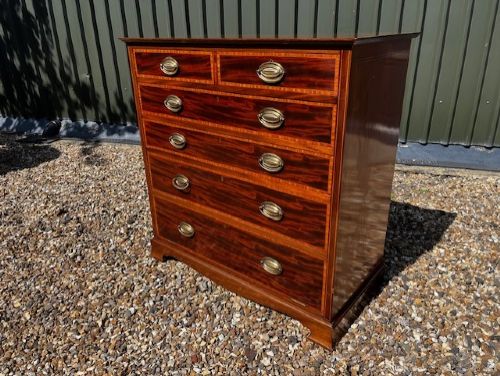
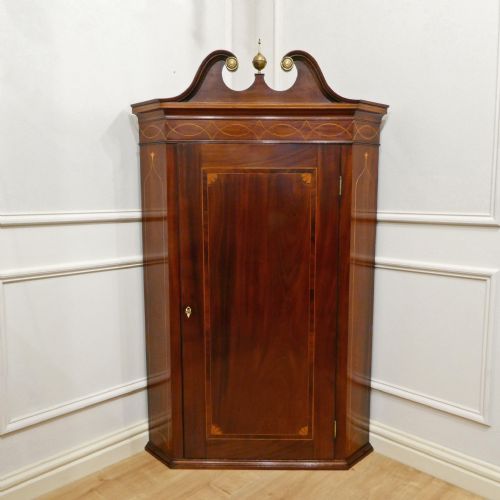
These sheraton period cabinet examples bring together the refined geometry and light woods characteristic of late eighteenth century design.
Sheraton Period Cabinet
A sheraton period cabinet represents the refined output of late eighteenth century cabinet making, defined by straight lines, delicate proportions and classical restraint. Buyers seeking a sheraton period cabinet encounter forms ranging from corner cupboards and sideboards to writing tables and secretaire bookcases.
The pieces on offer span genuine eighteenth century items from the George III era alongside later Edwardian revivals. Satinwood and mahogany form the primary wood choices, often enriched with detailed timber inlay, boxwood lines and harewood panels.
How they were made
Cabinet makers utilised choice timbers such as figured mahogany, satinwood and harewood, applying them as fine veneers over sturdy secondary woods. Surface enrichment relied heavily on precise timber inlay and boxwood stringing rather than heavy carved relief.
Structural elements incorporated brass hardware, glazed doors and fitted interior compartments for writing or display. Joinery remained concealed and precise, supporting the delicate silhouettes demanded by the style.
Recorded object forms range from compact writing tables and corner cupboards to large sideboards, secretaire bookcases, and demi-lune commodes.
What varies in quality
The distinction between standard and exceptional pieces rests upon the choice of timbers and the crispness of the inlay work. Finer examples display carefully matched veneer grains and intricate bandings that integrate seamlessly into the overall carcass.
Proportion and interior fitting also dictate distinction, with superior pieces retaining original brass mounts, well-figured cabinet doors and thoughtfully arranged writing or storage compartments.
The Sheraton Period Cabinet Glossary
- Satinwood
- A lustrous tropical timber with a golden sheen, frequently employed for primary surfaces and decorative veneers during the late eighteenth century.
- Harewood
- Sycamore wood treated to acquire a soft greyish-brown tone through staining, often used for contrasting panels and marquetry details.
- Demi-lune
- A half-moon shape characteristic of commodes, sideboards and tables designed to stand flat against a wall.
- Secretaire
- A cabinet or desk incorporating a pull-down writing flap that conceals small drawers and pigeonholes.
- Marquetry
- The art of forming decorative patterns using thin veneers of different coloured woods, fitted together within a prepared surface.
Sheraton Period Cabinet: Frequently Asked Questions
How do I spot a revival piece?
Edwardian revival pieces often display lighter secondary woods, machine-cut stringing and finishes characteristic of early twentieth century production methods.
Examining the internal drawer construction and timber ageing helps differentiate these later interpretations from eighteenth century originals.
What woods were commonly used?
Makers relied heavily on rich mahogany and golden satinwood as the primary surfaces for exterior panels and tabletops.
Secondary accents frequently included harewood, boxwood and various timber inlays to create contrasting borders and geometric patterns.
Where were these cabinets placed?
These pieces functioned across principal rooms, from drawing rooms and libraries to private ladies' writing boudoirs.
Corner cupboards utilised awkward wall junctions, while demi-lune commodes and sideboards anchored dining and reception spaces.
How should I care for satinwood?
Protect delicate satinwood and veneered surfaces from direct sunlight to prevent the golden tones from fading over time.
Apply mild furniture wax sparingly and maintain stable room humidity to preserve the integrity of the thin decorative veneers.