






Sheraton Drop Leaf Table
A sheraton drop leaf table brings slender proportions and refined crossbanding into a room, offering adaptable surface space with unmistakable period elegance.
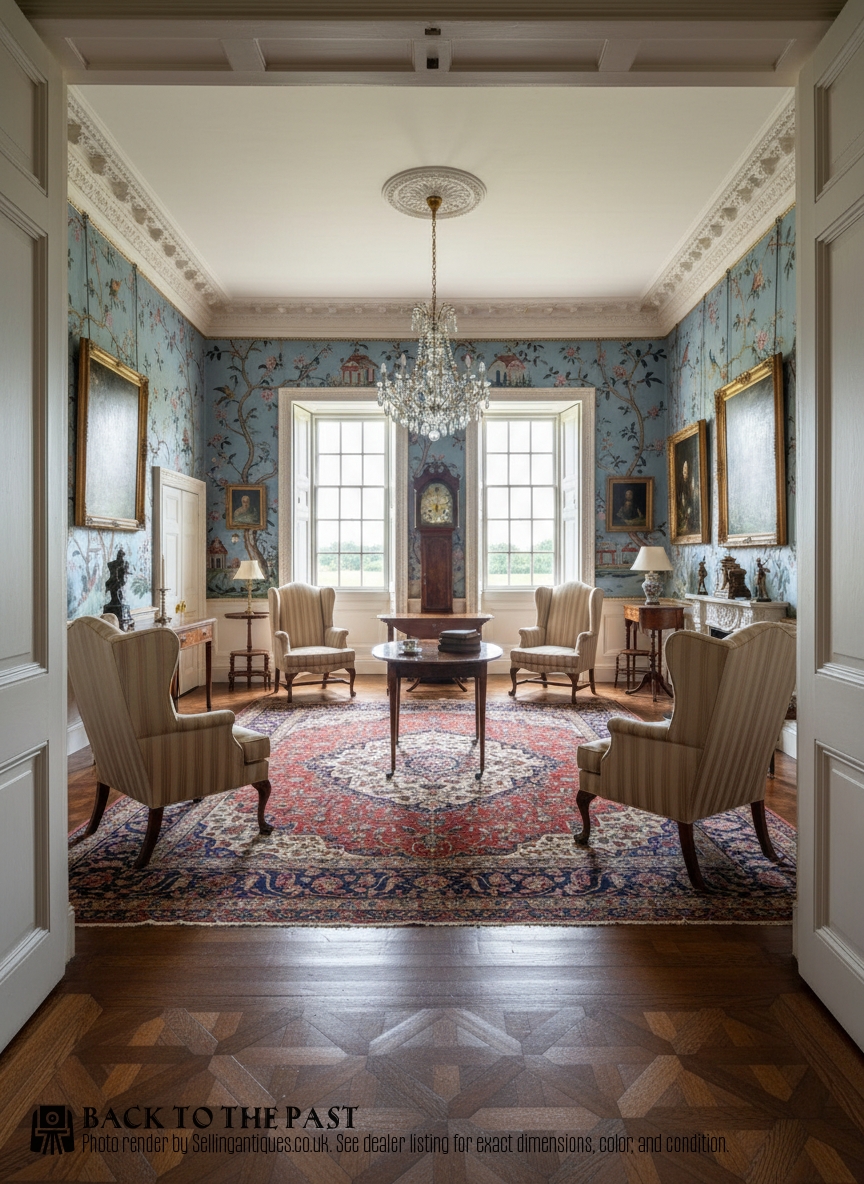
Sheraton Drop Leaf Table
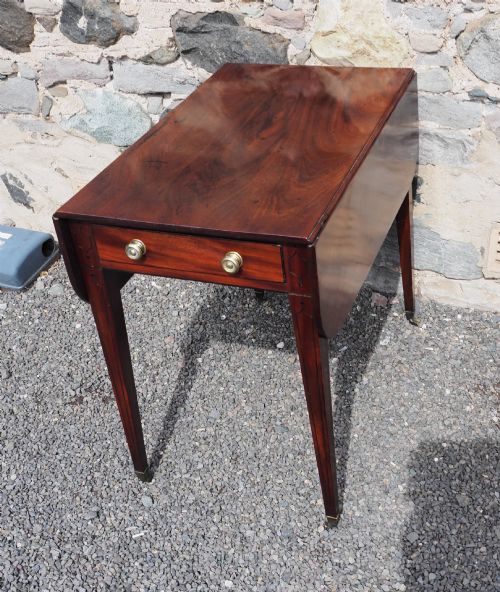
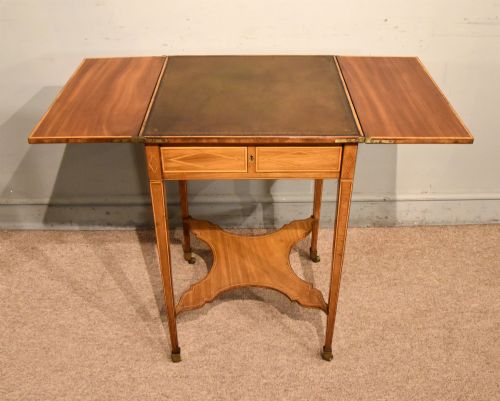
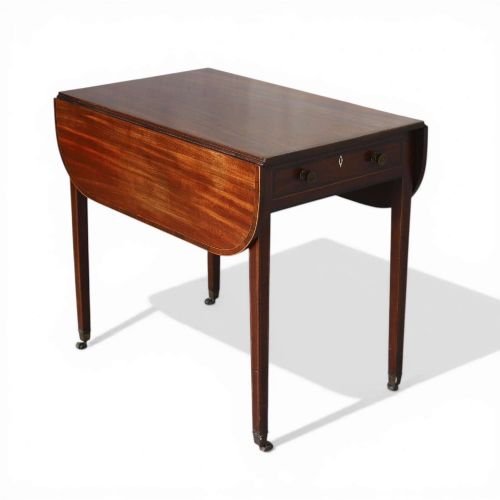
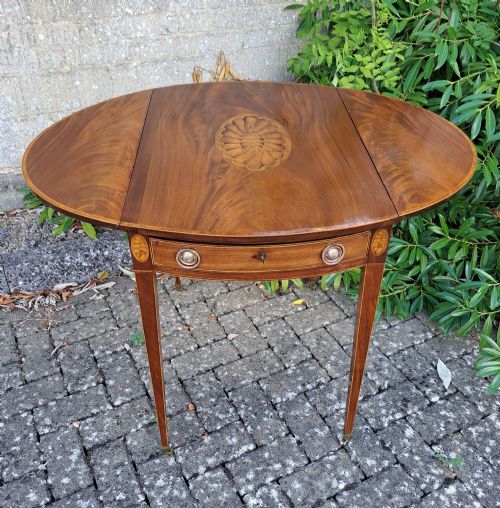
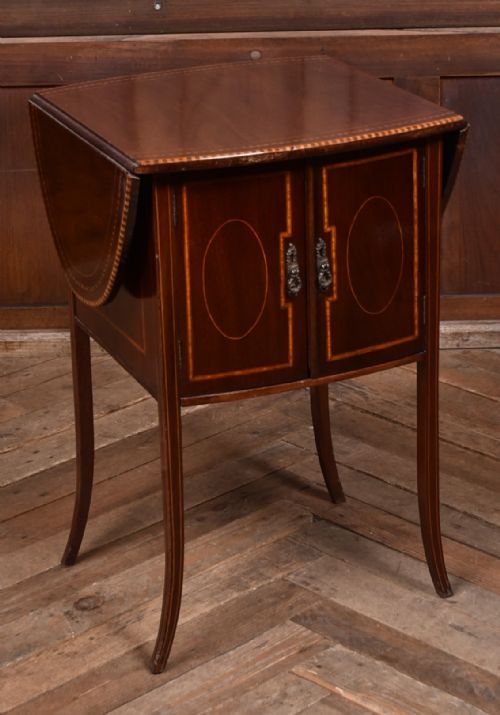
Examples span the Georgian, Regency, and Edwardian eras, showcasing periods from the late eighteenth century through to the early twentieth century. Makers of these pieces utilised drop leaves supported by hinged rule joints or swing brackets to extend the top when needed.
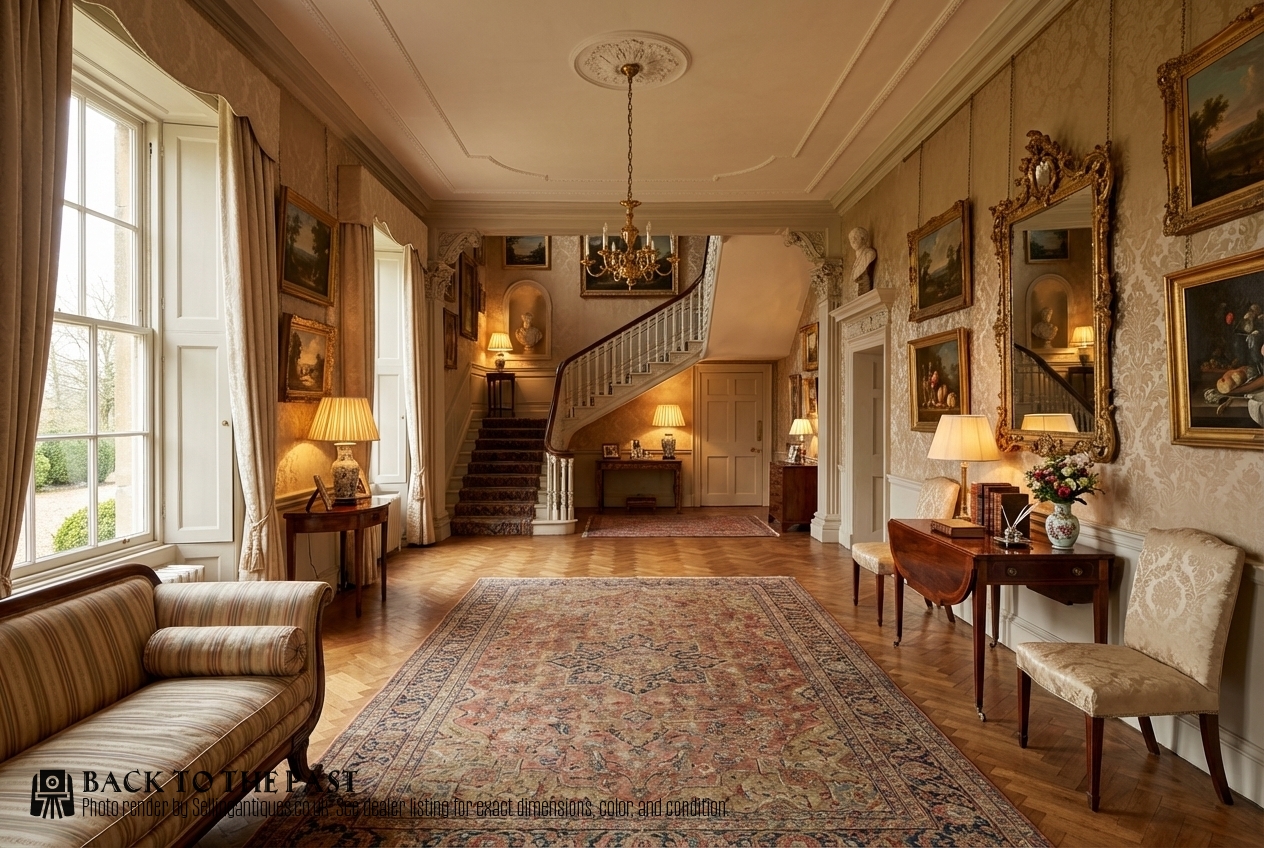
How they were made
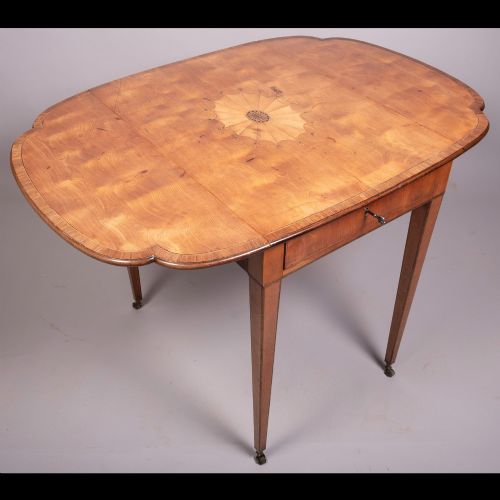
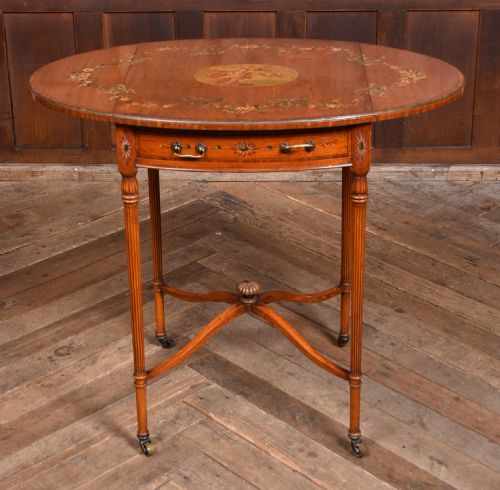
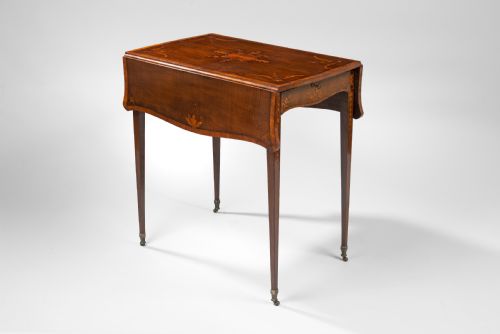
Cabinet makers built these tables primarily using solid mahogany and satinwood, frequently enhanced by contrasting crossbanding in rosewood, kingwood, and partridge wood. Inlays of boxwood and satinwood provide delicate line work and geometric borders along table tops and drawer fronts.
Surfaces often receive fine marquetry detailing or painted decoration, particularly in later Edwardian and revival interpretations. Brass castors and hinges allow the hinged leaves and small drawers to function smoothly within slender, tapered legs.
Sheraton Drop Leaf Table Retail Price Guide 2026
Typical asking prices for sheraton drop leaf table among the pieces listed under this phrase on Sellingantiques today, from the lower quarter to the upper quarter. They describe what is for sale here now, not the wider market.
Several gaming tables hide secret compartments, ready for an impromptu evening of cards.
What varies in quality
Distinction across the range lies in the crispness of the inlay work and the selection of figured timber veneers. Superior examples display meticulously matched satinwood or mahogany grain patterns that flow seamlessly across the Pembroke leaves.
Structural refinement also separates standard pieces from finer ones, visible in the joinery of the rule joints and the delicate taper of the legs. The integration of secondary woods and the preservation of original brass hardware contribute to the overall integrity of the piece.
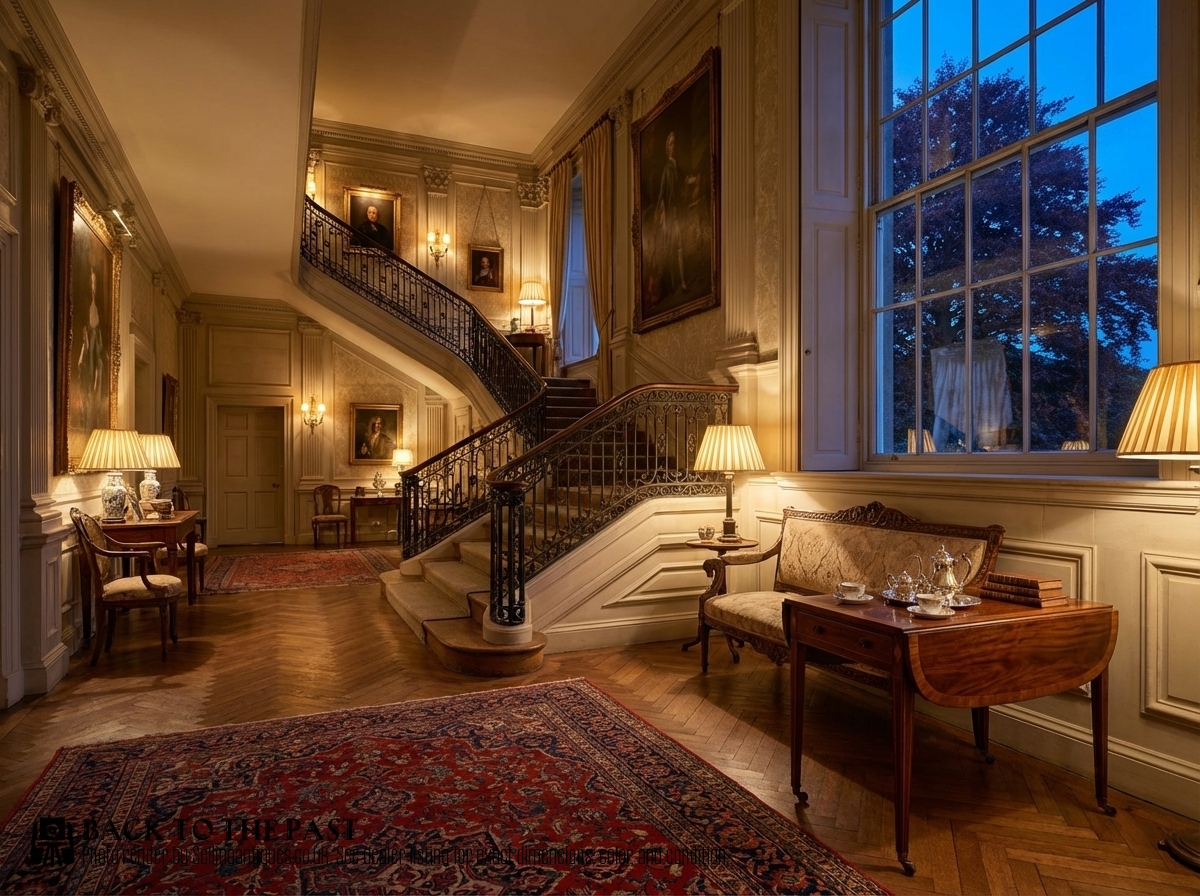
The Sheraton Drop Leaf Table Glossary
- Pembroke table
- A small occasional table featuring two hinged drop leaves on opposing sides, often equipped with one or more small drawers.
- Crossbanding
- A strip of veneer applied to the border of a table top or drawer front with the grain running perpendicular to the centre panel.
- Rule joint
- A moulded joint connecting a table top to its drop leaf, designed to hide the gap and support the leaf when raised.
- Marquetry
- Decorative patterns formed by the insertion of various coloured woods, veneers, or bone into a solid wood ground.
- Satinwood
- A lustrous, hard timber native to Ceylon and the West Indies, valued for its yellow colour and satiny sheen.
Sheraton Drop Leaf Table: Frequently Asked Questions
Where were drop leaf tables placed?
These tables sat easily beside seating areas or against walls when folded down, moving to the centre of the room for writing or tea.
Their versatile drop leaves allowed owners to adapt surface space instantly for dining or card games without cluttering smaller rooms.
How do I identify a Georgian piece?
Georgian examples rely on classical proportions, straight tapered legs, and subtle boxwood stringing rather than heavy painted decoration.
Inspect the timber density and the hand-cut joinery inside the drawers to confirm eighteenth-century construction methods.
What is the difference between Pembroke and sofa tables?
Pembroke tables typically feature square or oval leaves with a more compact footprint designed for occasional use and light writing.
Sofa tables tend to be longer and narrower, originally intended to stand directly behind a sofa for books and lamps.
How should I care for satinwood surfaces?
Keep these tables out of direct sunlight to prevent the golden satinwood and delicate inlay work from fading over time.
Apply a traditional beeswax polish sparingly and buff with a soft cloth to maintain the natural lustre of the timber.