
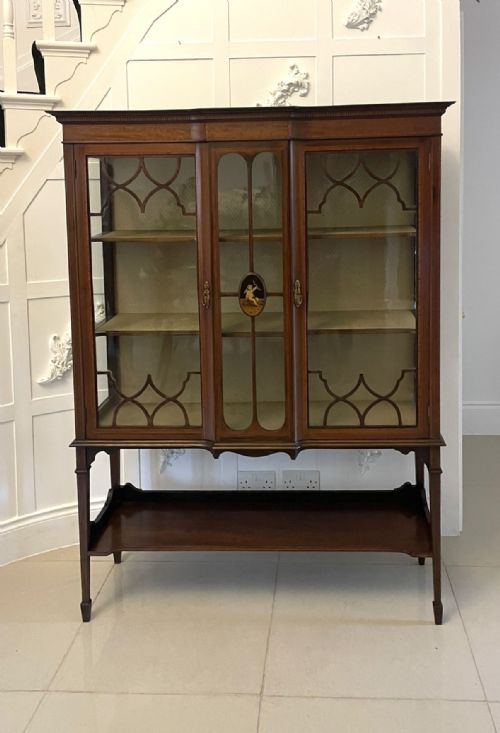
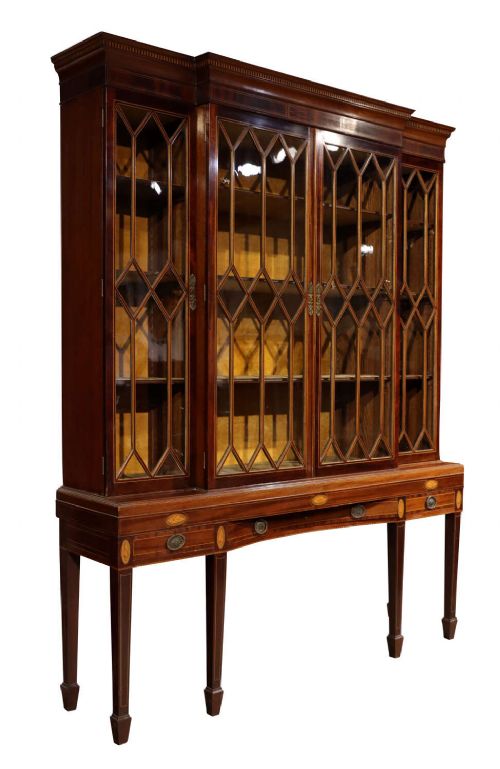
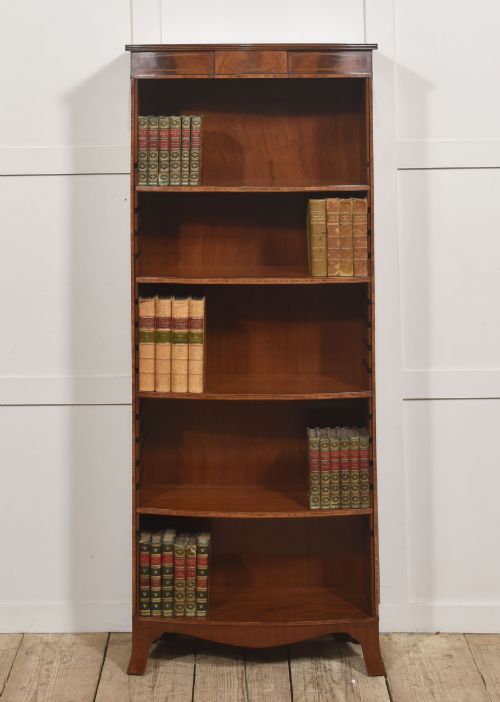
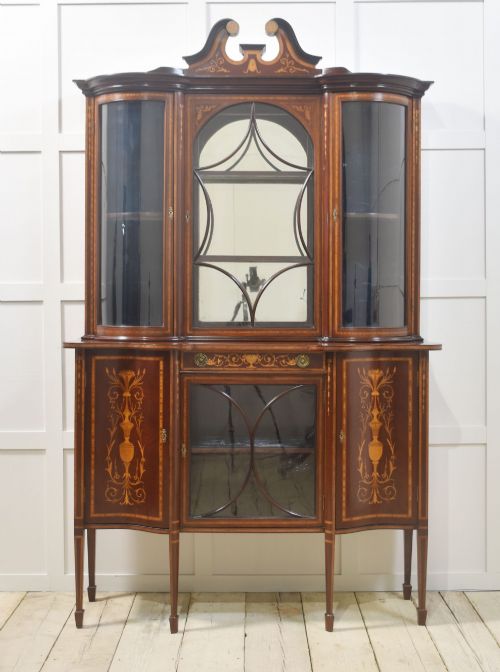
Sheraton Cabinet on Stand
Sheraton cabinet on stand pieces are refined Georgian and revival furniture items designed to elevate display and storage in domestic spaces.
Sheraton Cabinet on Stand
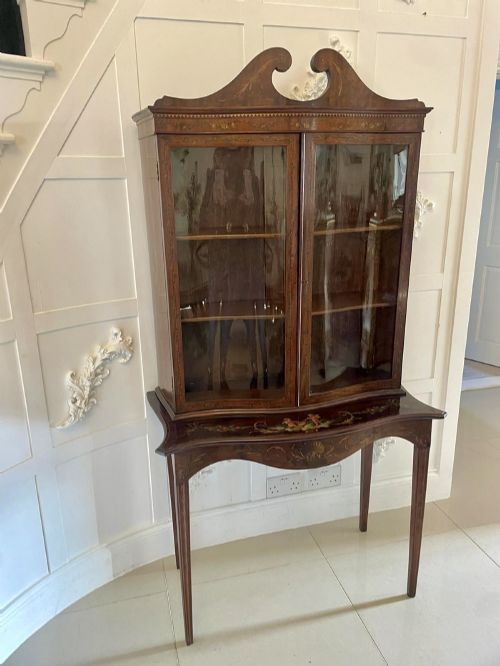
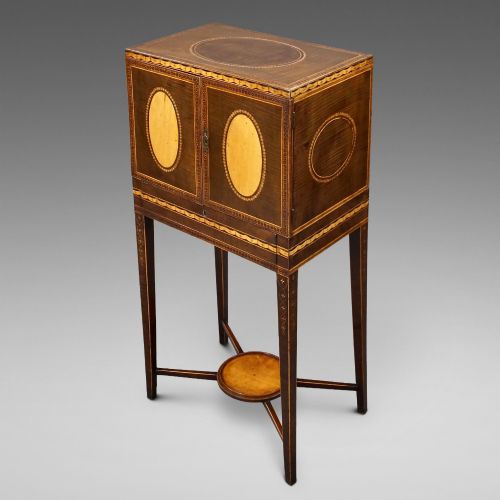
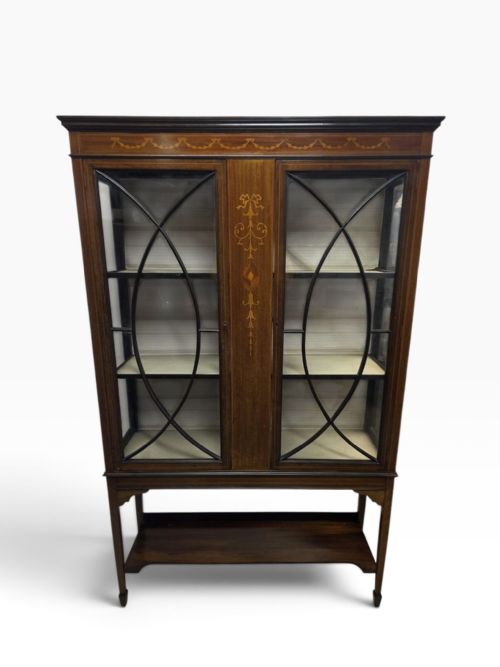
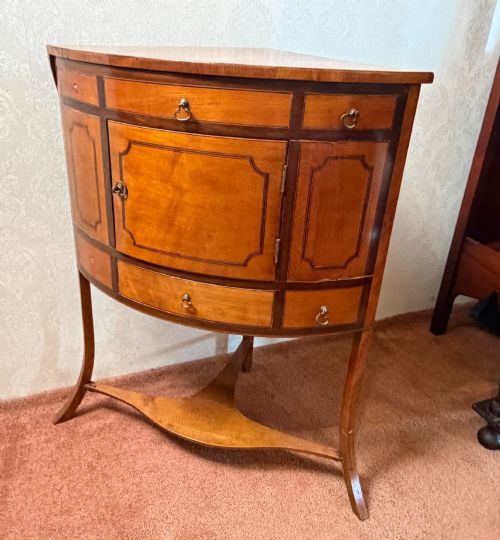
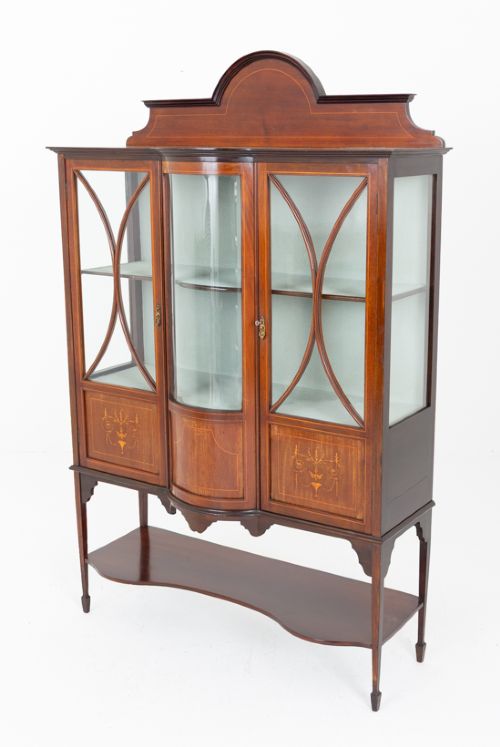
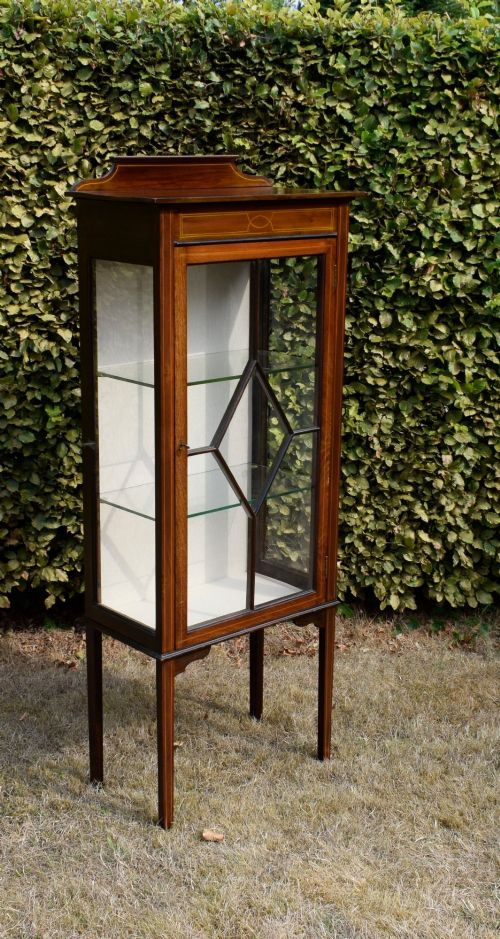
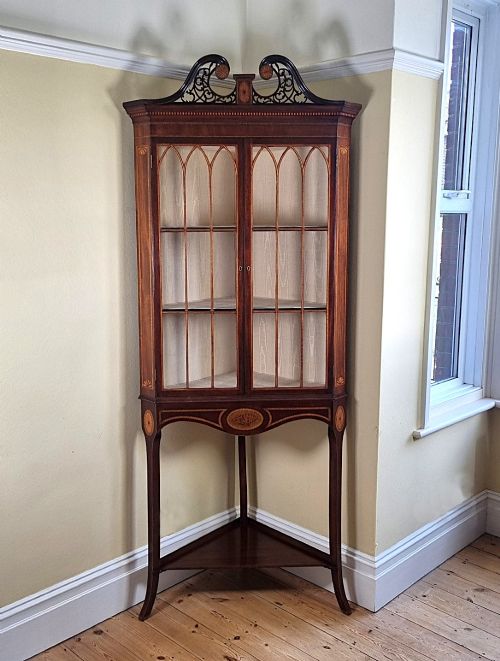
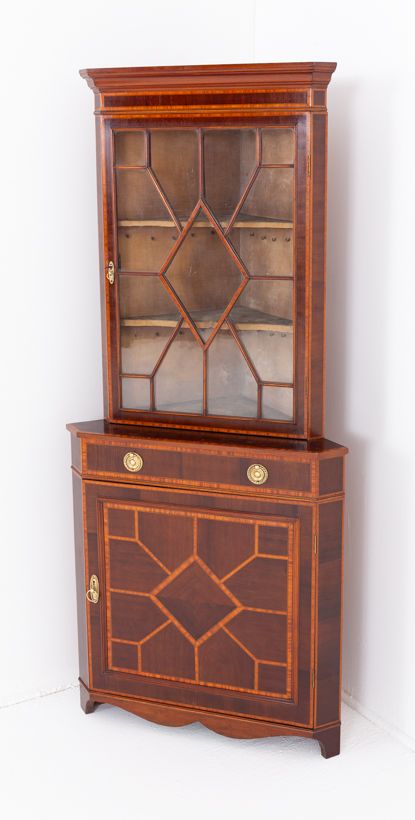
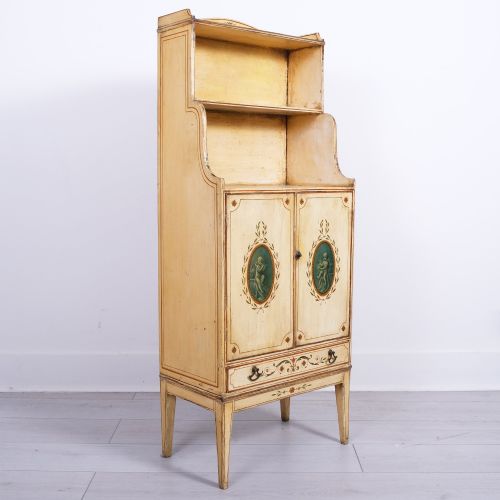
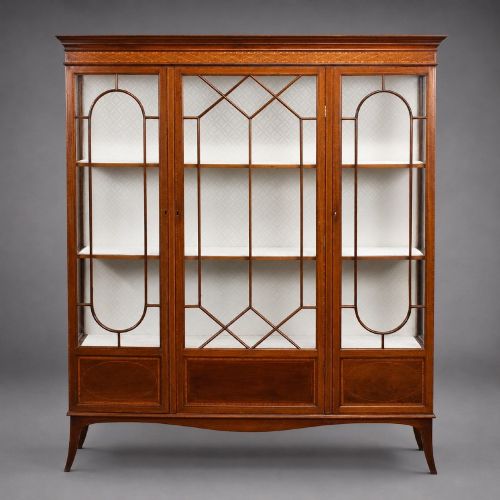
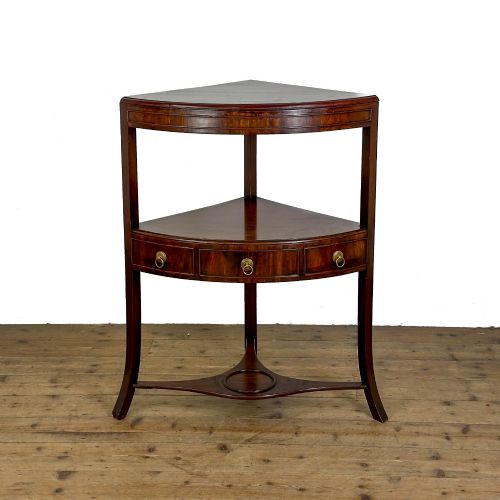
A sheraton cabinet on stand brings together linear elegance and elevated proportions, frequently seen in Georgian and Edwardian iterations. Pieces matching this search phrase span display cabinets, corner cabinets, and dedicated stands.
The Edwardian and Sheraton Revival periods dominate current examples, alongside original 18th Century and Georgian pieces. Buyers encounter both grand breakfront designs and compact collector's cabinets raised on slender legs.
Materials and construction methods
Cabinet makers utilised dense timbers such as mahogany and satinwood, frequently enhanced with contrasting harewood and brass fittings. Glazed doors and delicate glass panels protect the interior shelves while offering clear visibility.
Inlay work defines the aesthetic, employing satinwood inlay and marquetry to create geometric and floral motifs across the surfaces. Joinery balances structural stability with slender framing appropriate for elevated stands.
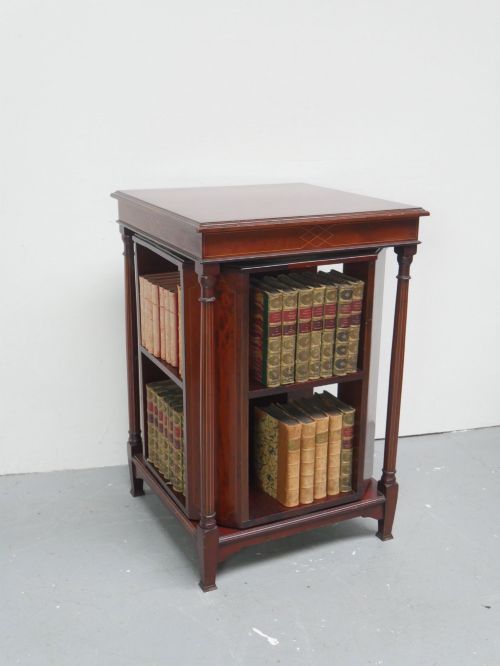
Some Edwardian music cabinets share proportions with display furniture, hiding sheet music behind glazed doors meant for books.
Assessing craftsmanship and execution
Structural integrity in the joinery of the stand determines durability, separating master-workshop output from standard commercial production. The clarity and preservation of original glass panels further influence the standing of a cabinet.
Edwards & Roberts·Waring & Gillow
The Sheraton Cabinet on Stand Glossary
- Sheraton Revival
- A late 19th and early 20th century style emulating the neoclassical furniture designs of the 18th century. This movement favoured light timbers and graceful proportions.
- Satinwood
- A lustrous, yellow-toned hardwood prized for its smooth grain and reflective quality. It serves as both a primary timber and a contrasting veneer.
- Breakfront
- A cabinet design where the central section projects forward from the flanking wings. This configuration adds architectural depth to large display pieces.
- Marquetry
- The art of applying decorative veneer pieces to a structure to form intricate pictorial or geometric patterns. Craftsmen use various coloured woods to achieve tonal contrast.
- Harewood
- Sycamore timber stained to a distinctive grey-green shade using iron solutions. It appears frequently in fine neoclassical and revival marquetry.
Sheraton Cabinet on Stand: Frequently Asked Questions
What is a sheraton cabinet on stand?
A sheraton cabinet on stand is an elevated storage or display piece featuring neoclassical proportions and fine timber framing. These items typically combine a glazed or enclosed upper cabinet with a dedicated supporting stand.
Originating in the 18th century and reinterpreted during the Edwardian era, these pieces serve to exhibit ceramics, books, or curiosities within a room.
How do I date a sheraton cabinet on stand?
Dating relies on examining the primary timbers, construction methods, and secondary woods used within the interior framing. Georgian originals exhibit hand-cut joinery and period-specific brass hardware.
Revival pieces from the late 19th and early 20th centuries often display machine-assisted precision alongside stylistic nods to earlier cabinet-making traditions.
Where should I place this cabinet?
These cabinets suit reception rooms, studies, or drawing rooms where their decorative woodwork and glazed panels can be appreciated. Corner variants utilise unused angles efficiently while providing functional display space.
Ensure placement avoids direct sunlight to protect delicate satinwood veneers and antique glass from fading or thermal stress.
How do I maintain the woodwork?
Maintenance involves regular dusting with a soft, dry cloth and occasional application of appropriate furniture wax to nourish the timber. Avoid silicone-based polishes that can degrade historic finishes over time.
Keep the cabinet in a stable environment with moderate humidity to prevent the timber and marquetry inlay from warping or splitting.