

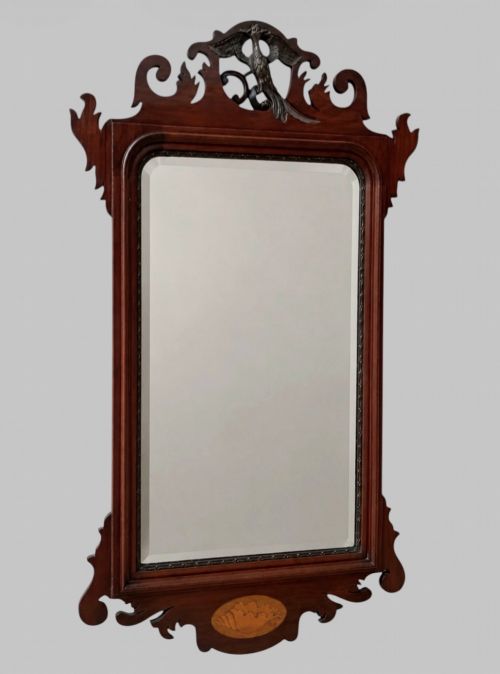


Shell Crest Mirror
A shell crest mirror brings carved aquatic motifs and classical frames into domestic spaces, offering both reflection and historic ornament.
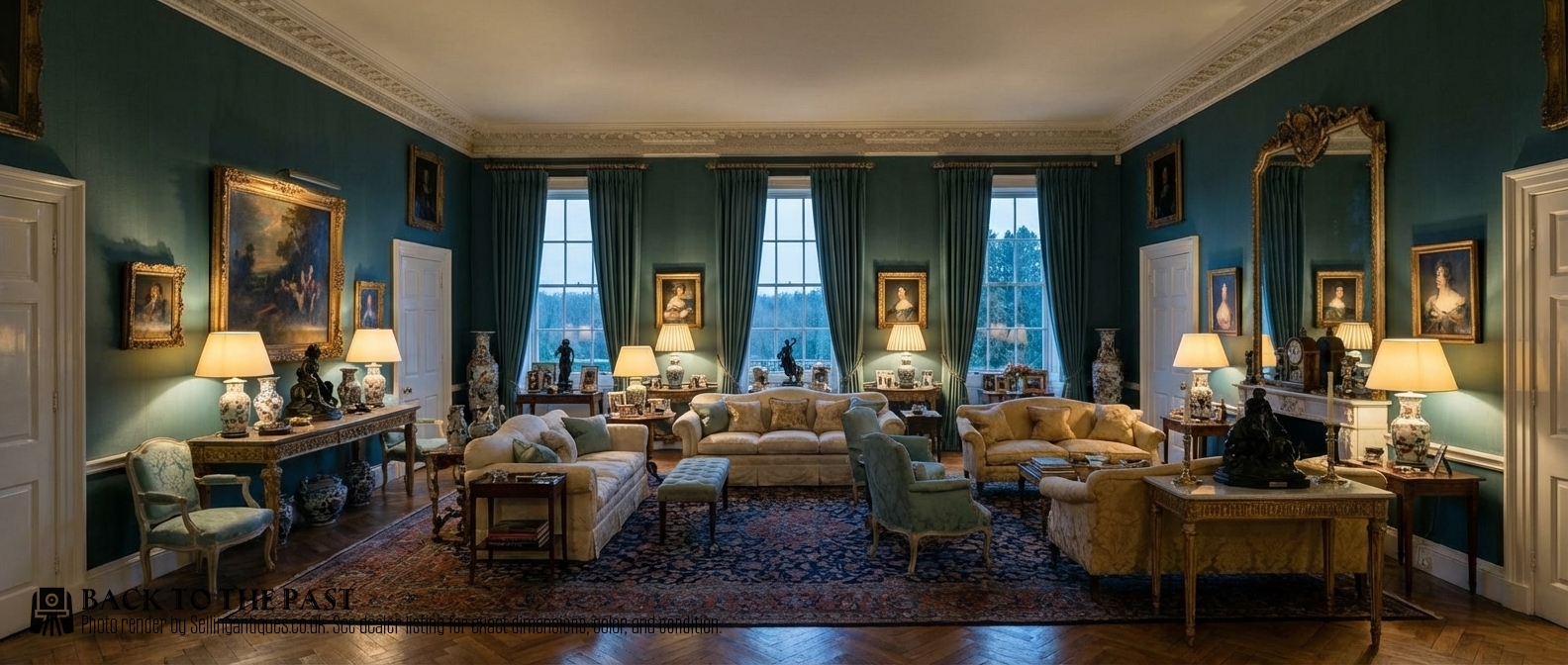
Shell Crest Mirror
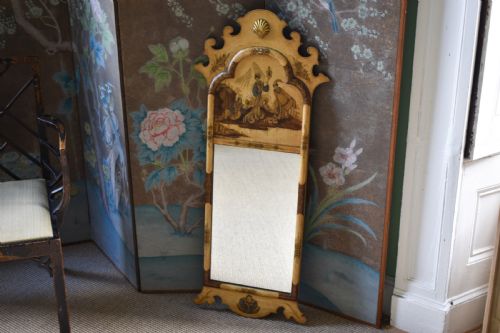
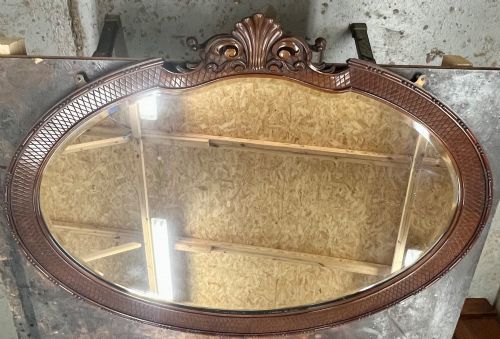
Buyers encounter diverse formats ranging from compact wall hangings to substantial overmantel and pier mirrors designed for formal reception rooms. Walnut, mahogany, and giltwood provide the primary structures, frequently complemented by hand-painted finishes, parcel gilt details, or inset tapestry panels.
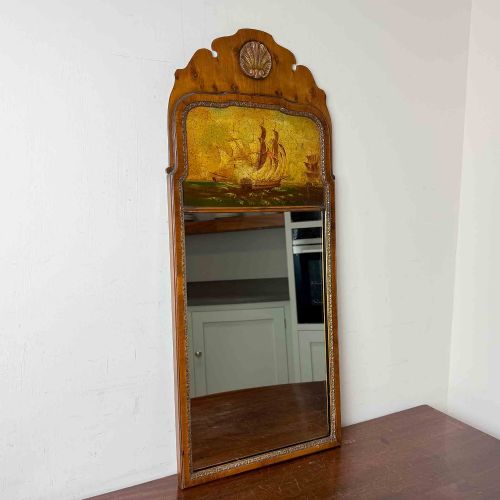
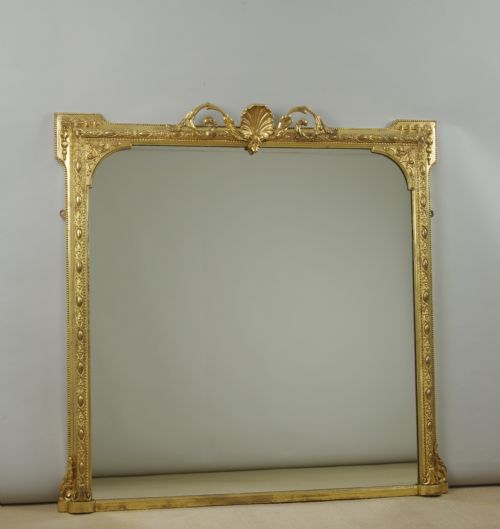
Revival pieces from the early twentieth century heavily emulate earlier Queen Anne and Chippendale aesthetics, employing burr walnut veneers and classical proportions. Meanwhile, nineteenth-century examples often lean towards ornate Rococo or French Chateau influences with heavy gilt and painted treatments.
Materials and Construction
Frames are constructed from dense timbers such as walnut, mahogany, and pine, often shaped with intricate scrollwork and applied mouldings. Artisans utilised gesso layered over timber substrates to build up relief details like the characteristic shell crest before applying gold leaf or paint.
Giltwood and parcel gilt finishes involve laying fine metallic leaf over prepared grounds, sometimes burnished to create contrasting matte and bright surfaces. Glass plates of the period frequently exhibit traditional silvering techniques and minor bevels set within layered wooden rebates.
Listings demonstrate styles ranging from Queen Anne and Chippendale revivals to French Chateau, executed in walnut, mahogany, and giltwood.
Assessing Quality and Execution
The crispness and depth of the hand-carved shell motif dictate the immediate visual hierarchy of the piece, separating finely sculpted wooden crests from softer cast or heavily built-up gesso applications. Timber selection also drives distinction, where figured burr walnut or rich mahogany veneers display superior grain patterning.
Structural integrity relies on the retention of original glass plates, backboards, and mercury or early silvering where appropriate. Frames that maintain their original gilding and surface patination without aggressive overpainting command greater appreciation among collectors.
The Shell Crest Mirror Glossary
- Pier mirror
- A tall mirror specifically designed to hang on the narrow wall space between windows, often positioned above a matching pier table.
- Overmantel mirror
- A wide horizontal mirror built to sit directly above a fireplace mantelpiece, reflecting light across the length of the room.
- Gesso
- A plaster-like mixture applied to wood frames and carved or moulded into decorative relief before gilding or painting.
- Parcel gilt
- A decorative finish where only specific carved elements or raised details are gilded, leaving the underlying wood or paint exposed elsewhere.
- Trumeau mirror
- A decorative wall mirror incorporating a painted panel or an inset oil painting directly above the glass plate within a single frame.
Shell Crest Mirror: Frequently Asked Questions
Where should I hang a shell crest mirror?
These mirrors suit prominent vertical wall spaces where the carved crest can be fully appreciated without visual obstruction. Placing them above a fireplace or console table allows the frame to anchor the surrounding furniture.
Ensure the wall fixings match the substantial weight of timber and glass frames, particularly for larger overmantel or pier formats.
How do I identify a revival mirror?
Revival pieces from the late nineteenth and early twentieth centuries often display machine-sawn timber elements alongside hand-carving, paired with cleaner glass plates. Examining the backboards, screw types, and construction methods helps clarify the manufacturing date.
Stylistic cues also guide identification, as twentieth-century workshops frequently combined Queen Anne walnut forms with modern hanging brackets.
Are original mirror plates common?
Original glass plates frequently survive in eighteenth and nineteenth-century pieces, displaying characteristic minor distortions, foxing, or silvering degradation. These imperfections confirm the age and authenticity of the mirror surface.
When a plate has been replaced, the glass appears noticeably clearer and cleaner than antique frames typically warrant.
How do I care for giltwood frames?
Giltwood surfaces require gentle dusting with a soft, dry brush to avoid damaging the delicate metallic leaf and gesso layers. Moisture and chemical cleaners must be kept away from the frame entirely.
Stable indoor humidity prevents the underlying timber from expanding and causing the gesso ornamentation to crack or flake off.