


Parcel Painted Mirror
A parcel painted mirror combines painted surfaces with targeted gilding to highlight carved details, bringing warmth and reflective depth to an interior.
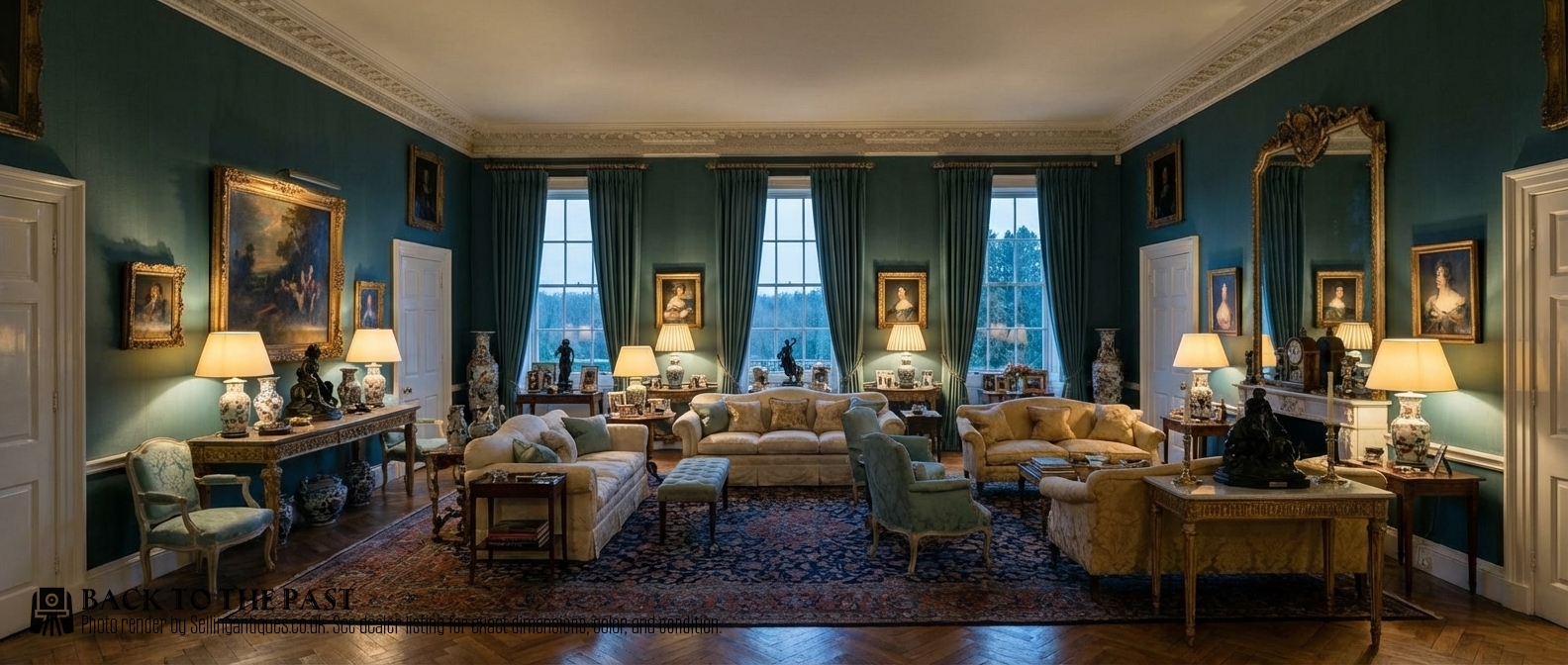
Parcel Painted Mirror
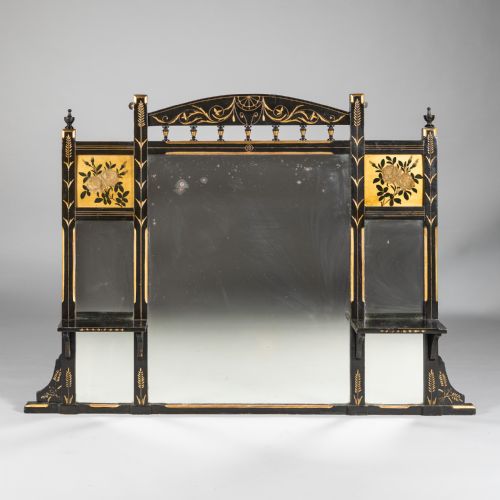
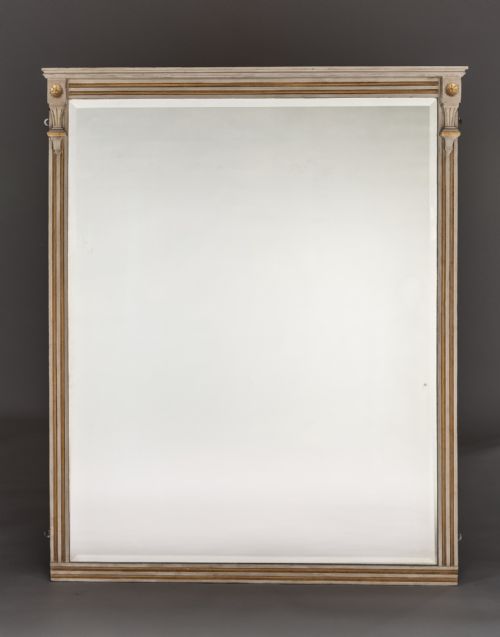
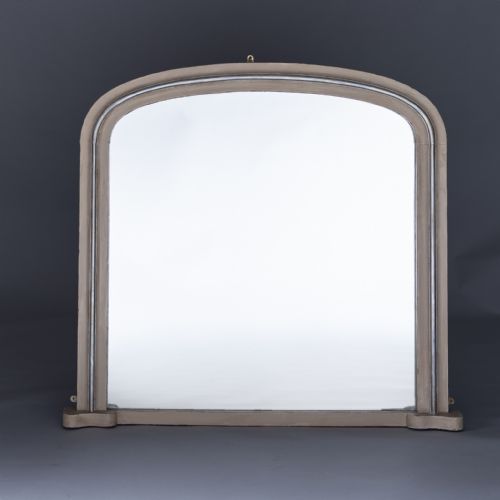
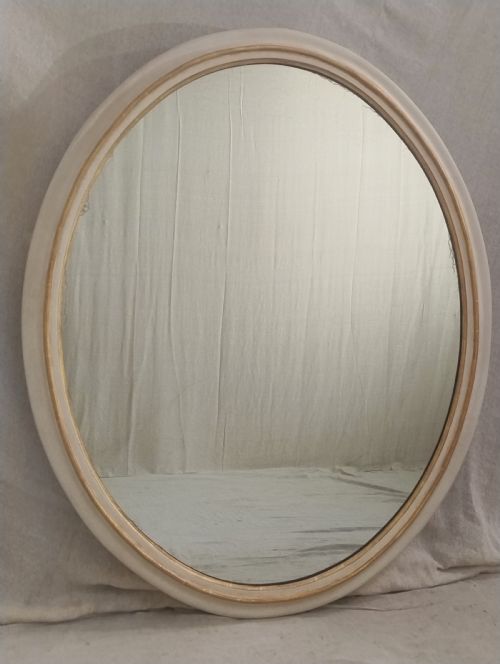
A parcel painted mirror is a framed looking glass where the base coat of paint is selectively embellished with gold or silver leaf on raised carved elements. When exploring a parcel painted mirror on this page, the most frequent discoveries are large nineteenth-century overmantel mirrors and architectural French trumeau mirrors designed to sit above a mantelpiece or console.
The selections span English Victorian designs alongside continental European pieces, frequently rendered in subdued painted tones with gilt highlights on moulding, floral motifs, or scrolling acanthus leaves. Beyond grand overmantel formats, the selection includes wall mirrors, pier mirrors positioned between windows, and occasional dressing table glasses.
Originating largely from the Georgian era through to the late nineteenth and early twentieth centuries, these mirrors incorporate diverse regional aesthetics, from strict neoclassical symmetry to elaborate rococo revival curves and aesthetic movement ebonised framing.
Materials and construction methods
Makers constructed the timber frames from sturdy woods such as pine, walnut, or ebonised hardwoods, which were then prepared with coats of gesso to provide a smooth ground for ornamentation. Artisans applied water gilding or oil gilding to specific carved details using thin sheets of gold or silver leaf, leaving the surrounding areas finished in flat or cream paint.
The reflective glass plates within these antique frames often display traditional bevelling or slight imperfections inherent to period manufacturing techniques. Frame assembly frequently utilised traditional joinery, with carved wooden appliques or composition ornaments secured to the primary wooden structure before final surface painting and partial gilding.
Several mirrors carry the quiet whispers of nineteenth-century drawing rooms, having spent generations reflecting flickering candlelight and lively Victorian parlor conversations.
Distinctions in craftsmanship and preservation
Quality in a parcel painted mirror rests upon the crispness of the original wood carving and the precision with which the metallic leaf is applied to the painted ground. Superior examples display deeply chiselled foliage and mouldings where the contrast between the painted body and the gilt highlights remains sharp and intentional.
The integrity of the surface finish determines distinction among surviving pieces, as patinated paint layers and authentic metal leaf acquire a softer luminescence over decades. Frames retaining their original glass plates and uncompromised structural joins demonstrate higher fidelity to the maker's original intent.
Nosotti
The Parcel Painted Mirror Glossary
- Parcel gilt
- A decorative treatment where only specific portions of an object are covered with gold or silver leaf. This technique draws the eye to carved highlights while the rest of the surface is painted or stained.
- Trumeau mirror
- A decorative wall mirror combined with a painted panel or carved artwork above the glass. These architectural pieces were designed to fit neatly between windows or above fireplaces in grand rooms.
- Overmantel mirror
- A large horizontal mirror designed specifically to hang directly above a fireplace mantel. They often reflect light across the entire length of a drawing room.
- Gesso
- A plaster-like mixture applied to wooden frames to create a smooth surface for painting or gilding. It allows craftsmen to carve intricate relief details before applying gold leaf.
- Pier mirror
- A tall, narrow mirror manufactured to hang on the solid section of wall between two windows. They frequently match console tables placed below them.
Parcel Painted Mirror: Frequently Asked Questions
Where should I hang a large overmantel mirror?
These large mirrors are traditionally mounted centrally above a fireplace mantelpiece to anchor the proportions of a reception room. Their scale allows them to bounce natural daylight across the space.
Ensure the wall fixings are secured directly into structural studs or masonry to support the substantial weight of nineteenth-century wooden frames and glass.
What is a trumeau mirror used for?
A trumeau mirror incorporates an upper painted or carved wooden panel combined with the lower looking glass. Historically, they served as permanent architectural fixtures within formal European interiors.
They work effectively on expansive wall spaces where standard rectangular mirrors might lack sufficient vertical presence or architectural context.
How do I clean an antique painted mirror frame?
Dust the carved wooden frame gently with a dry, soft-bristled brush to remove surface particles without disturbing the delicate paint or metallic leaf. Avoid using household sprays or abrasive cloths which can strip historic finishes.
Clean the glass plate separately using a mild glass cleaner applied to a cloth rather than directly onto the mirror surface, preventing moisture seepage into the antique backing.
How can I tell a Victorian mirror from a Georgian one?
Georgian mirrors often display restrained neoclassical symmetry, mahogany or walnut veneers, and subtle parcel gilding. Victorian examples frequently embrace heavier proportions, ebonised finishes, and elaborate rococo revival or aesthetic movement carving.
Examining the construction methods at the reverse of the wooden frame provides further clues regarding the period of manufacture and joinery techniques employed.