



Shell Crest Gold Mirror
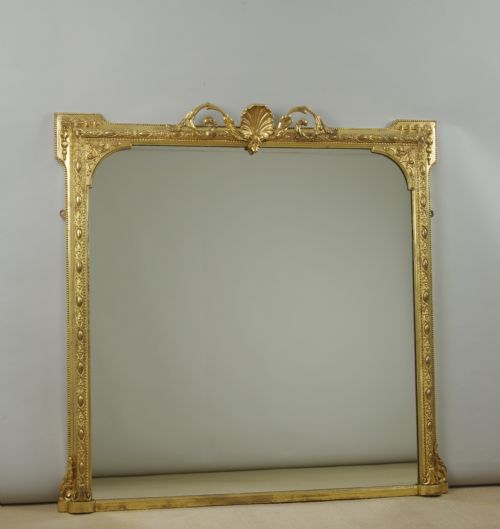
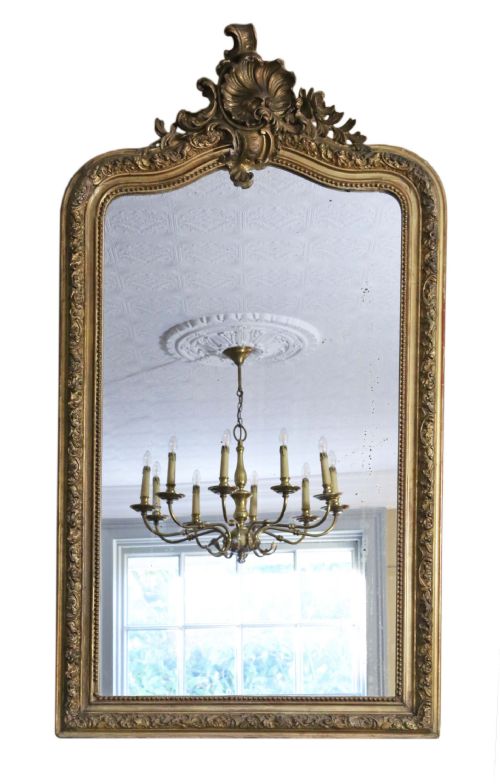
These shell crest gold mirror pieces bring ornate gilded character and classic reflection into a room.
Shell Crest Gold Mirror
A shell crest gold mirror is a decorative looking glass defined by a prominent shell motif and a gilded frame. The selection available here spans centuries, ranging from early eighteenth-century walnut and giltwood examples to nineteenth-century Victorian pieces and later twentieth-century interpretations.
Buyers will encounter various formats on this page, including large overmantle mirrors, wall mirrors, pier mirrors, and trumeau mirrors. Styles vary from French Rococo Revival and Louis XVI to George I and Queen Anne influences.
The shell motif forms the focal point of the crest, typically surmounting frames built for prominent display in principal rooms. These pieces combine functional reflection with sculptural woodwork that captures period taste.
How they were made
Makers constructed these frames using timber such as walnut and wood substrates finished with gesso to create smooth surfaces for decoration. Artisans then applied gold leaf or gilding, sometimes combining this with paint or parcel painting to accentuate carved details.
Carvers shaped the characteristic shell crests and ornate foliage by hand before applying the metallic leaf layers. Mirror glass of the period was set within these wooden frameworks, occasionally accompanied by integrated elements like tapestry panels.
Listings span from the 18th century to the 20th century, encompassing Victorian, George I, and French Rococo Revival styles.
What varies in quality
Quality in these mirrors rests upon the crispness of the hand-carved woodwork and the depth of the gilding applied to the frame. Superior examples display sharply defined shell motifs and intricate detailing that remain clear beneath the gold leaf.
The integrity of the original wooden structure and the proportion of the frame relative to the glass plate distinguish finer pieces. Age brings natural patination to both the gilded surfaces and the mirror glass, influencing the visual weight of the object.
The Shell Crest Gold Mirror Glossary
- Giltwood
- Wood that has been coated with gold leaf or a gold-coloured finish. This material forms the primary shimmering surface of the frames.
- Gesso
- A plaster-like mixture applied to wood frames to create a smooth base for gilding and carving. It allows artisans to shape intricate relief details.
- Trumeau
- A decorative mirror or panel designed to fit into the architectural space between windows or above a mantelpiece. These often incorporate painted scenes or tapestry sections.
- Overmantle
- A large mirror designed specifically to hang above a fireplace mantel. These pieces anchor the room and reflect light across the interior.
Shell Crest Gold Mirror: Frequently Asked Questions
Where should I hang a shell crest gold mirror?
These mirrors suit principal living spaces, hallways, or above fireplace mantels where their decorative frames can command attention. Their scale allows them to function as focal points in traditional or eclectic interiors.
Ensure the wall structure can support the weight of a heavy gilded wood frame, particularly for larger overmantle or pier formats.
How do I identify the period of a mirror?
Dating relies on examining the construction methods of the wood frame, the style of the carving, and the characteristics of the mirror glass. Eighteenth-century pieces often feature walnut foundations and distinct joinery, whereas nineteenth-century revivals draw on earlier Rococo or Victorian aesthetics.
Details such as the execution of the shell motif and the formulation of the gesso provide further clues to the era of manufacture.
What is parcel painting on a mirror frame?
Parcel painting involves selectively applying paint to specific areas of a gilded wooden frame to create contrast and highlight carved details. This technique was used alongside gold leaf to add depth and visual complexity to the design.
It appears on certain nineteenth-century English overmantle pieces, complementing the primary gilded surfaces.
How do I care for antique gilded frames?
Keep gilded and gesso surfaces away from direct sunlight and excessive moisture to prevent the finish from cracking or lifting. Dust the carved details gently with a soft, dry brush without using chemical cleaners.
Preserving the original gold leaf and patina maintains the historical integrity of the piece.