



Sheffield Silver Decanter
Sheffield silver decanter pieces comprise wine coasters, jugs, trolleys and labels made from silver, copper and glass across Georgian, Victorian and modern periods.
Sheffield Silver Decanter
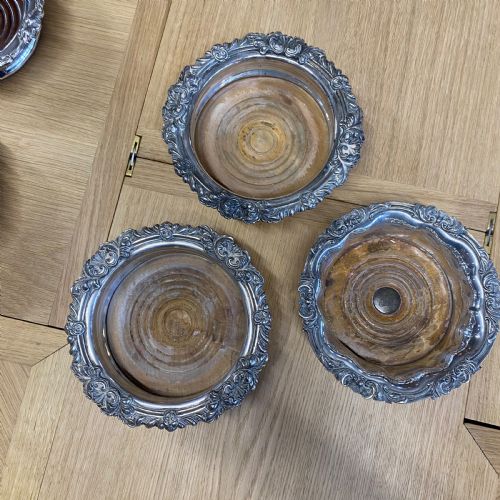
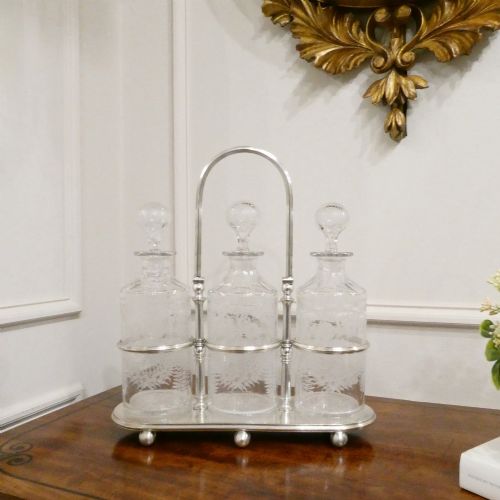
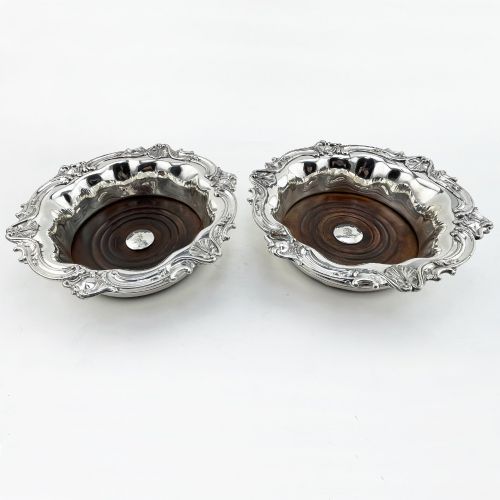
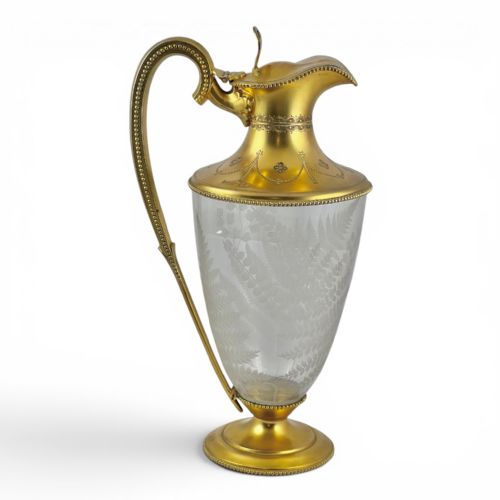
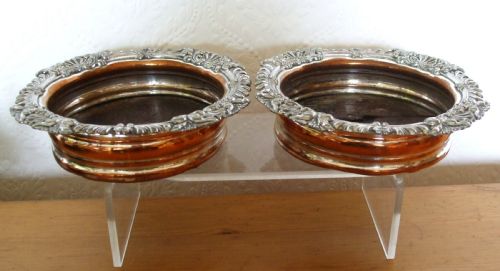
When you search for a sheffield silver decanter, you encounter wine coasters, claret jugs, decanter sets, trolleys, stands and spirit labels originating from the nineteenth century onwards. The selection on this page relies heavily on Old Sheffield Plate wine bottle coasters alongside Victorian silver and glass claret jugs and solid silver spirit labels.
The objects span Georgian, Regency, William IV, Victorian and modern British styles, reflecting centuries of metalworking traditions in Sheffield. Wine coasters and bottle stands appear frequently in pairs or sets, designed to protect dining tables and facilitate the sharing of port and wine.
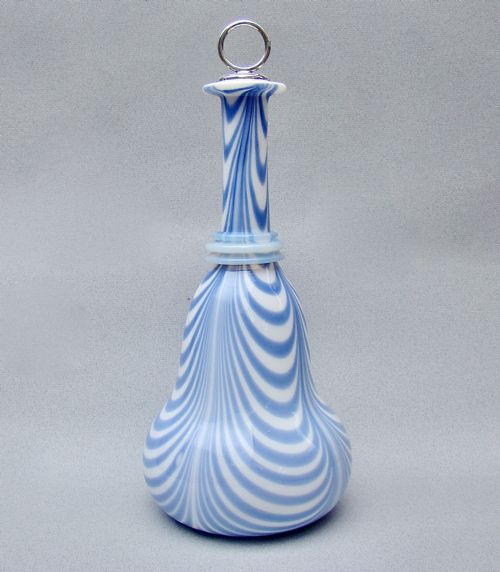
Vessels combine heavy glass bodies with silver or silver-plated mounts, occasionally incorporating mahogany bases or copper cores. The evidence also records multi-bottle decanter cruets, trolleys for moving multiple vessels, and small silver labels for gin, brandy and whisky.
How they were made
Old Sheffield Plate objects utilise a fused layer of silver over a copper core, a distinctive technique that exposes thin lines of copper along edges and undersides. Items from later decades employ solid sterling silver, silver gilt, and silver plate applied over base metals.
Glass components include cut glass, Nailsea glass and moulded vessels shaped to fit silver necks, mounts and collars. Wooden elements such as turned mahogany bases provide sturdy foundations for bottle coasters and table stands.
Sheffield Silver Decanter Retail Price Guide 2026
Typical asking prices for sheffield silver decanter among the pieces listed under this phrase on Sellingantiques today, from the lower quarter to the upper quarter. They describe what is for sale here now, not the wider market.
Materials recorded across the inventory include silver plate, copper, wood, Old Sheffield Plate, solid silver, mahogany, glass and sterling silver.
What varies in quality
The crispness of chased and engraved armorials, crests and floral decoration distinguishes finer items from simpler production pieces. Deep pressing and substantial gauge metal indicate superior weight and durability in coasters and trolleys.
The clarity and thickness of the glass insert, combined with the integrity of the silver fusion on Old Sheffield Plate, set the standard for high-end examples. Maker marks and clear hallmarks provide secure attribution and confirm the standard of the metal.
Matthew Boulton·John and Thomas Settle·James Deakin and Sons·Harry Atkin
The Sheffield Silver Decanter Glossary
- Old Sheffield Plate
- A composite material made by fusing a sheet of silver to a copper ingot, developed in the eighteenth century before electroplating became common.
- Claret Jug
- A pouring vessel with a glass body and a silver mount, handle and hinged lid, intended for serving red wine.
- Wine Coaster
- A small circular stand with a raised rim, often lined with wood, used to hold a wine bottle on the dining table.
- Decanter Trolley
- A wheeled carriage designed to transport wine bottles smoothly across the dining surface after the removal of the cloth.
- Silver Gilt
- Silver that has been coated with a thin layer of gold on its surface, creating a warm two-tone effect seen inside some jugs and coasters.
Sheffield Silver Decanter: Frequently Asked Questions
What is Old Sheffield Plate?
Old Sheffield Plate is an early composite material formed by fusing silver to a copper base before the invention of modern electroplating. This technique produces distinct physical characteristics visible on edges and undersides.
Items made this way display the rich appearance of solid silver while maintaining the structural rigidity provided by the underlying copper layer.
How do I date a silver decanter label?
Silver decanter labels can be dated using the assay office hallmarks stamped into the metal, which indicate the year of manufacture and the maker. King's heads and date letters provide precise chronological markers for pieces from the Georgian and Victorian eras.
Shape, style of lettering, and decorative motifs such as vine leaves or gadroon borders also help determine the period.
Were wine coasters used singly?
Wine coasters frequently appear in pairs or larger sets, intended to sit at either end of a table or circulate alongside multiple bottles. Single coasters do exist, particularly in larger formats designed for wide decanters or table stands.
Sets of three or four pieces reflect formal dining practices where port, Madeira and claret were served simultaneously.
What is a decanter trolley?
A decanter trolley is a wheeled carriage designed to hold one or more wine bottles safely during after-dinner circulation. They allow heavy glass vessels to glide across polished mahogany dining tables without scratching the wood.
Many examples feature silver-plated frames, pierced galleries and turned wooden bases fitted with small metal castors.