







Sheffield Plated Tableware
Sheffield plated tableware brings the weight and lustre of silver to the dining table through fused copper and silver plates.
Sheffield Plated Tableware
Sheffield plated tableware comprises dining vessels and serving pieces produced primarily during the Georgian, Regency and Victorian periods. The selection on this page centres on domestic items designed for formal dining and tea service, spanning the eighteenth and nineteenth centuries.
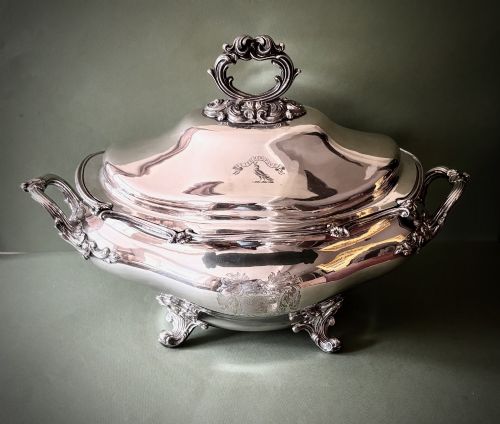
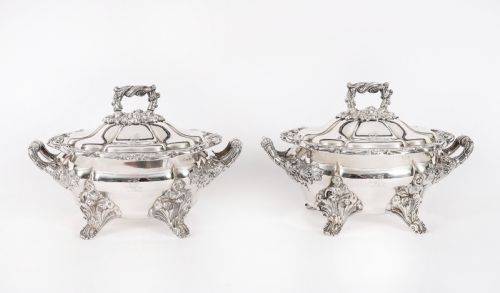
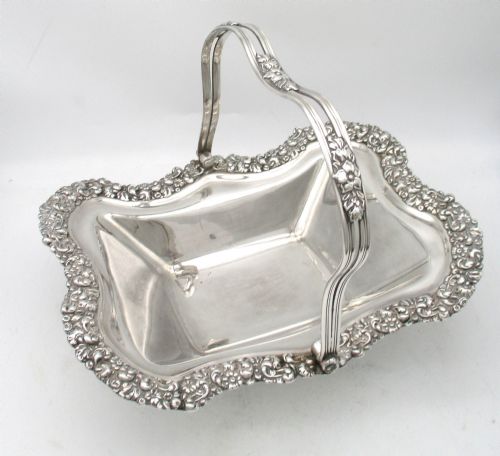
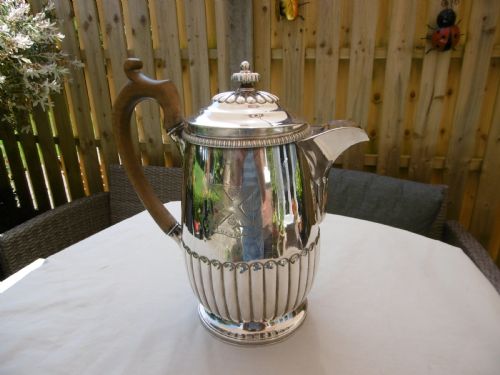
The objects take many forms, including coffee pots, tea urns, tureens, baskets, sauce boats, knife trays and napkin rings. These functional pieces reflect the dining customs of their eras, employing traditional forms such as oval lidded tureens, wirework baskets and beer jugs.
Makers and periods represented range from eighteenth-century examples to later nineteenth-century silver-plated items. Buyers will encounter both early Old Sheffield Plate and subsequent nineteenth-century production methods across various styles from Georgian Neoclassical to Victorian.
How they were made
These items utilise a fusion technique where a sheet of silver is united with a thicker ingot of copper under heat and pressure. The resulting composite metal is then rolled into sheets and worked into hollowware and serving vessels.
Craftsmen shape the fused metal by hand-raising or spinning, often adding applied silver wire borders to conceal exposed copper edges at the rims. Details such as crests, handles and feet are cast separately in silver or metal and soldered to the main body.
Sheffield Plated Tableware Retail Price Guide 2026
Typical asking prices for sheffield plated tableware among the pieces listed under this phrase on Sellingantiques today, from the lower quarter to the upper quarter. They describe what is for sale here now, not the wider market.
Some nineteenth-century biscuit barrels required a dedicated locking mechanism to keep the household supply safe from clever servants.
What varies in quality
Quality in these pieces depends upon the preservation of the original silver layer over the copper base. Finer examples retain their silver evenly across high-wear areas, while lesser pieces show extensive copper show-through from polishing or heavy use.
The crispness of chased or engraved armorial crests and decorative borders distinguishes finer workshops. Heavier gauge metal and structurally sound joins in handles and feet also mark superior manufacture.
Matthew Boulton·John Hoyland·Robert and Belk·Walker Knowles·Cresswick
The Sheffield Plated Tableware Glossary
- Old Sheffield Plate
- A composite material made by fusing silver to a copper core, characteristic of eighteenth and early nineteenth-century manufacture before electroplating became common.
- Wirework basket
- An openwork vessel constructed from crossed or woven metal wires, often produced in the Georgian period for bread or fruit.
- Mazarine
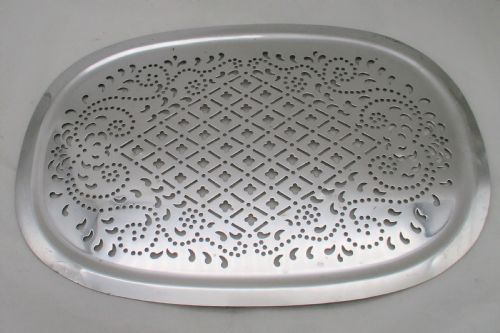
- A flat, pierced draining plate designed to fit inside a serving dish to keep food clear of juices.
- Tureen
- A deep covered vessel used for serving soups, sauces or entrees at the dining table.
- Tea urn
- A large heated metal vessel used for boiling water during tea service, typically fitted with a tap near the base.
Sheffield Plated Tableware: Frequently Asked Questions
How do I clean sheffield plated tableware?
Clean these items gently using a soft cloth and a mild silver polish formulated for plated items. Avoid aggressive scrubbing that might wear through the thin silver layer to the copper beneath.
Store pieces in dry conditions and handle them carefully to preserve the remaining plating and any delicate soldered joints.
Can I use these pieces for dining?
Many of these items, such as napkin rings, serving dishes and coffee pots, remain suitable for contemporary dining use. Care should be taken with acidic foods that might react with older metal surfaces.
Hand washing is essential for all pieces to protect the historical surface and any delicate applied borders.
How do I recognise old sheffield plate?
Old Sheffield Plate often reveals a thin line of dark copper visible along exposed edges, seams or worn high points. This dual-layer construction differs from later electroplated wares.
Weight also serves as an indicator, as the copper core provides a substantial heft distinct from modern lightweight reproductions.
What periods do these pieces span?
The listings span from the eighteenth century through the Georgian and Regency eras into the Victorian period. Styles evolve from Georgian Neoclassical forms to ornate later Victorian designs.
Manufacturing techniques also transition over this timeline from fused Old Sheffield Plate to later nineteenth-century silver plating.