





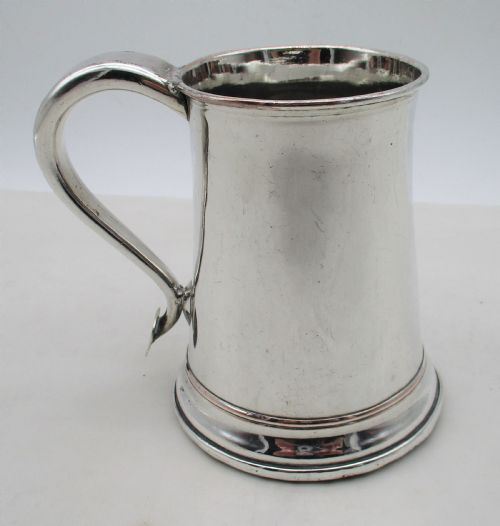


Sheffield Plated Mug
A sheffield plated mug is a fusion of copper and silver offering the robust utility of Georgian drinkware with precious metal.
Sheffield Plated Mug
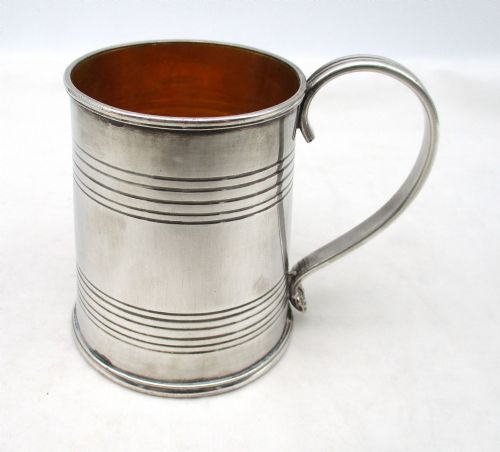
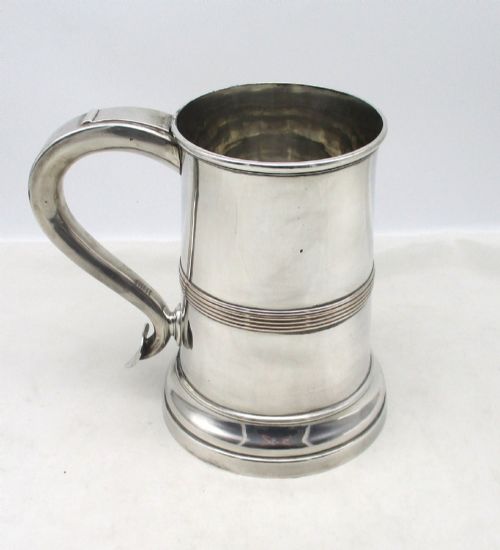
A sheffield plated mug represents a distinct category of antique barware and drinking vessels produced primarily during the eighteenth and nineteenth centuries. These items take the form of sturdy tankards, ranging from small child's mugs and pint sizes up to large quart vessels.
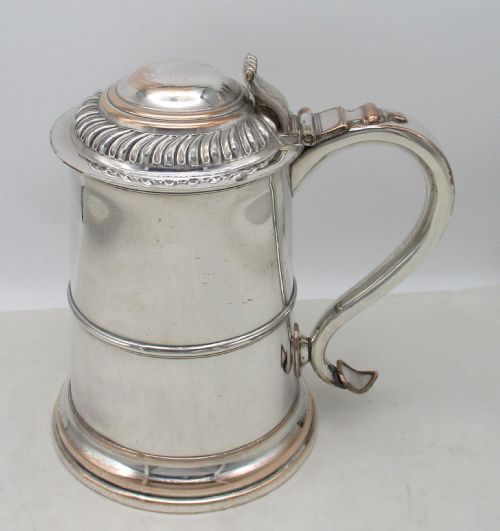
The objects seen on this page span the Georgian and Regency eras, extending into the nineteenth century. Buyers encounter both lidded and open tankard forms created in England.
Most examples originate from the 18th century or around 1800, reflecting the peak period of this specific manufacturing technique. Smaller domestic pieces sit alongside substantial drinking vessels designed for hearty use.
How they were made
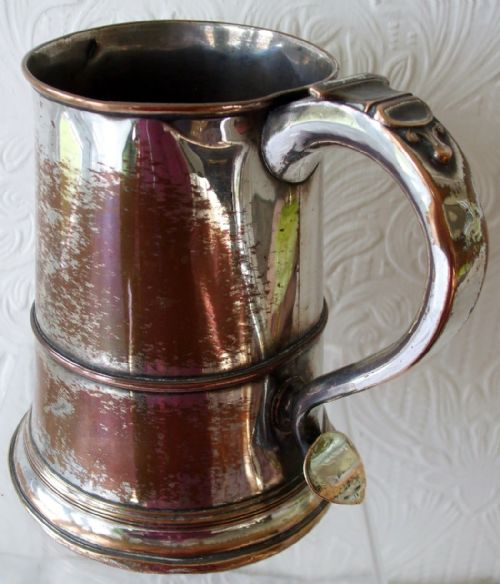
Makers fused a thin sheet of silver to a thicker base of copper through a process of heat and pressure. This composite metal was then shaped into tankard bodies and handles.
Some items feature gold gilt applied to the interior or decorative details to enrich the surface. Artisans also constructed lidded variants with hinged tops fitted securely to the main vessel.
Sheffield Plated Mug Retail Price Guide 2026
Typical asking prices for sheffield plated mug among the pieces listed under this phrase on Sellingantiques today, from the lower quarter to the upper quarter. They describe what is for sale here now, not the wider market.
What varies in quality
Proportion and the integrity of applied decorative details differentiate standard tankards from works attributed to notable makers. The weight of the copper base and the balance of the handle dictate the tactile quality of the mug.
Richard Morton
The Sheffield Plated Mug Glossary
- Old Sheffield Plate
- A composite material made by fusing silver and copper together before shaping. This technique preceded modern electroplating methods.
- Quart Tankard
- A large drinking vessel holding approximately two pints of liquid. These substantial pieces formed part of traditional barware.
- Pint Tankard
- A standard drinking mug holding one pint. This size represents the typical domestic scale for daily use.
- Gilding
- The application of a thin layer of gold to the interior or surface of the metal. It provided a decorative finish and protected the underlying silver.
- Georgian
- The stylistic and historical period spanning the reigns of the Hanoverian monarchs. Pieces from this era display characteristic classical proportions.
Sheffield Plated Mug: Frequently Asked Questions
What is a sheffield plated mug?
A sheffield plated mug is a drinking vessel created by fusing silver and copper together. These items date primarily from the eighteenth and nineteenth centuries.
They serve as historical examples of early plating techniques before modern electroplating was invented. Collectors value them for their traditional Georgian forms and robust construction.
How do I clean an antique mug?
Cleaning requires mild soap and warm water with a soft cloth to protect the thin silver layer over the copper. Avoid harsh chemical dips that strip the historic surface.
Gentle maintenance preserves the natural patina accumulated over centuries. Professional silver polishes should be used sparingly and with extreme care.
Were these mugs used daily?
Historical tankards were built for practical use in taverns and homes. Their copper cores provided the structural strength needed for heavy daily service.
Today, collectors generally display them as decorative barware rather than utilising them for active drinking. Their robust build allowed them to survive centuries of handling.
How do I date a tankard?
Dating relies on stylistic markers from the Georgian and Regency periods, alongside construction methods typical of eighteenth century workshops. Lidded forms and specific handle designs help narrow the timeline.
Makers such as Richard Morton provide firm chronological anchors when signatures are present. Comparative analysis of capacity and form further clarifies the age.