


Sevres Porcelain Table
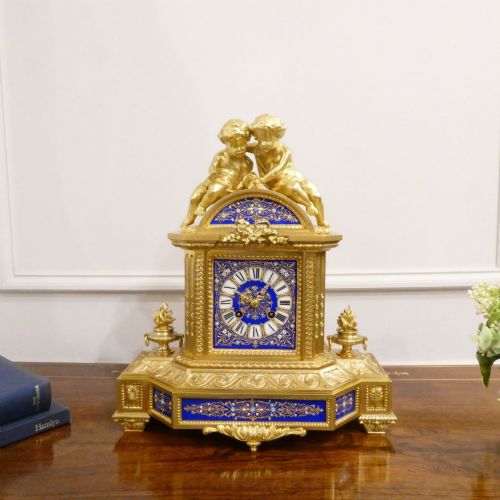
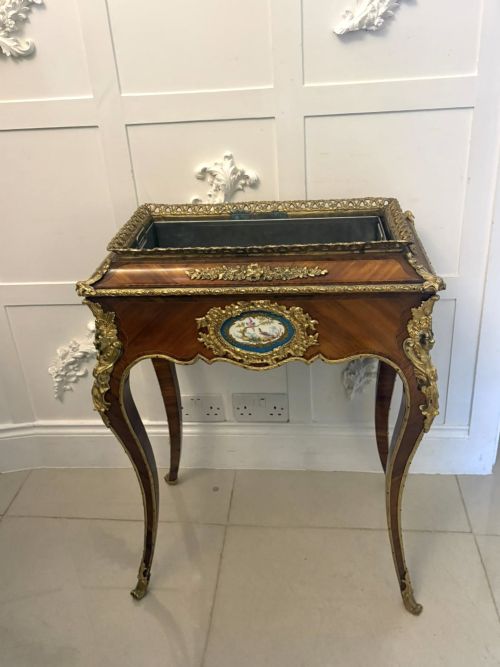
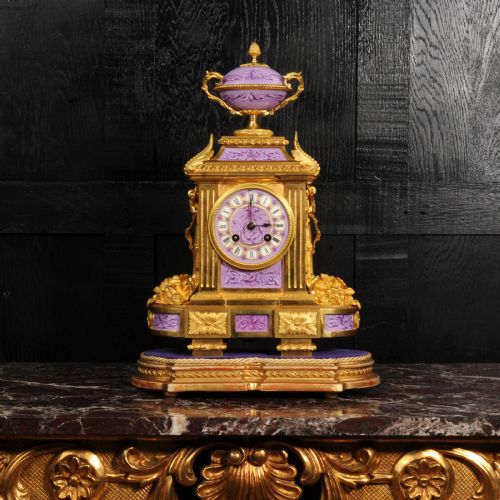
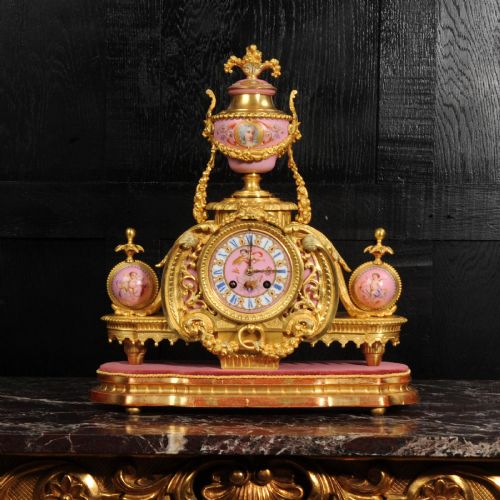
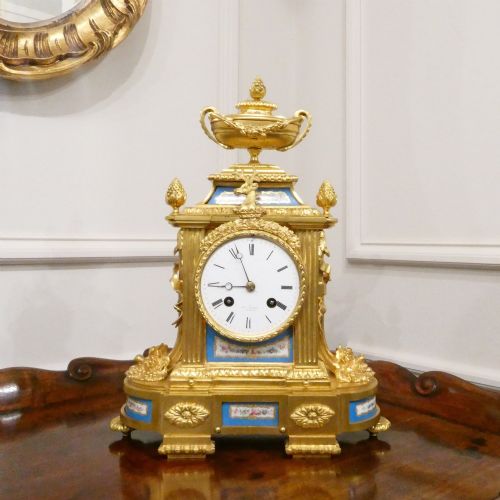
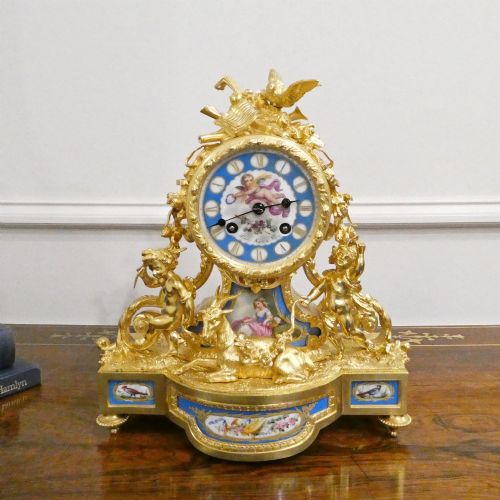
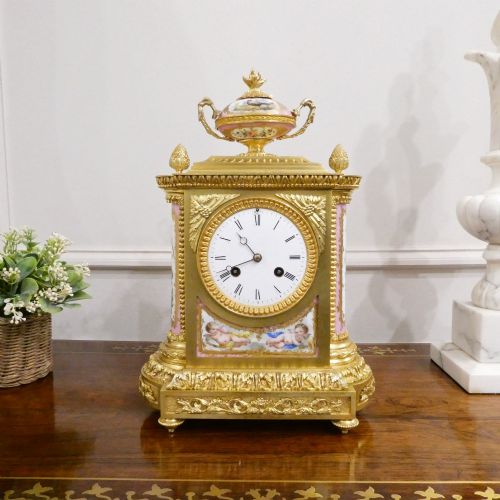
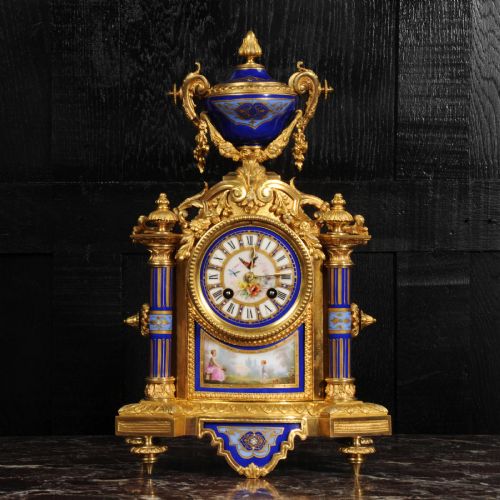
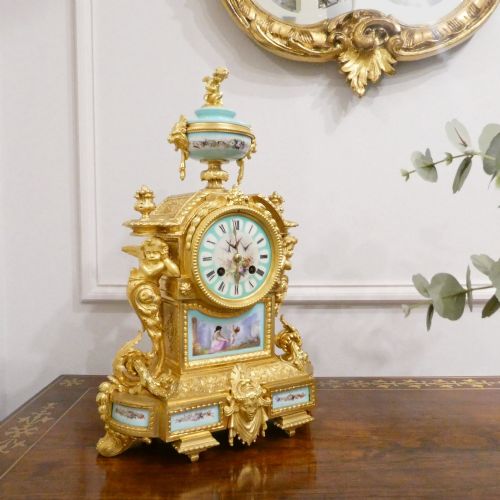
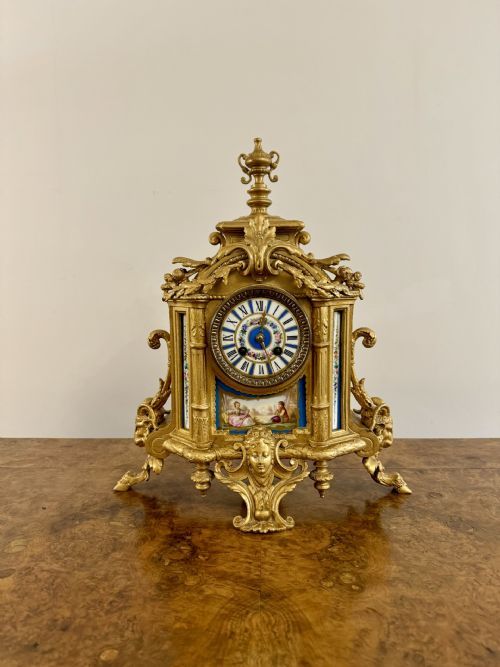
These sevres porcelain table items combine painted ceramic plaques with gilt mounts from nineteenth-century French workshops.
Sevres Porcelain Table
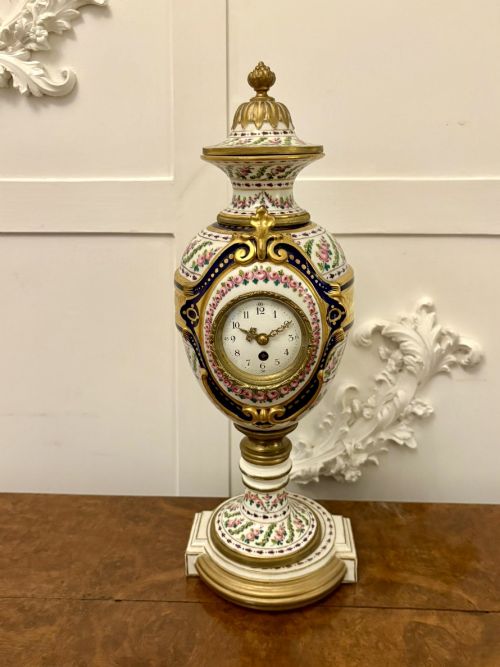
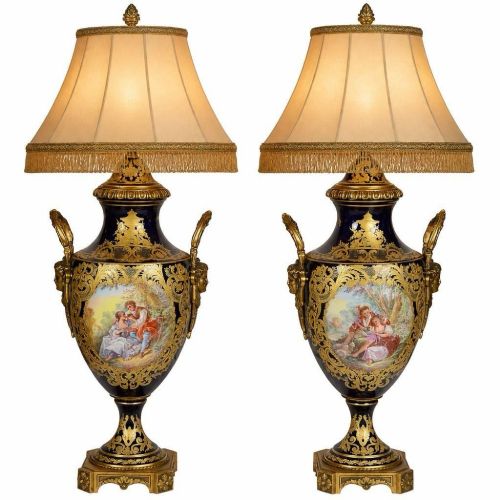
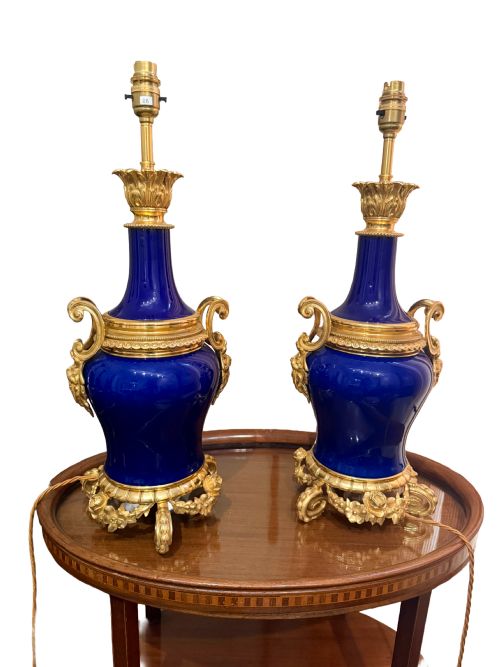
When searching for a sevres porcelain table, buyers encounter a mix of nineteenth-century French furnishings incorporating hand-painted ceramic plaques and gilt metal mounts. The available selection predominantly comprises lighting, mantel clocks, and writing desks produced during the Victorian and Napoleon III periods.
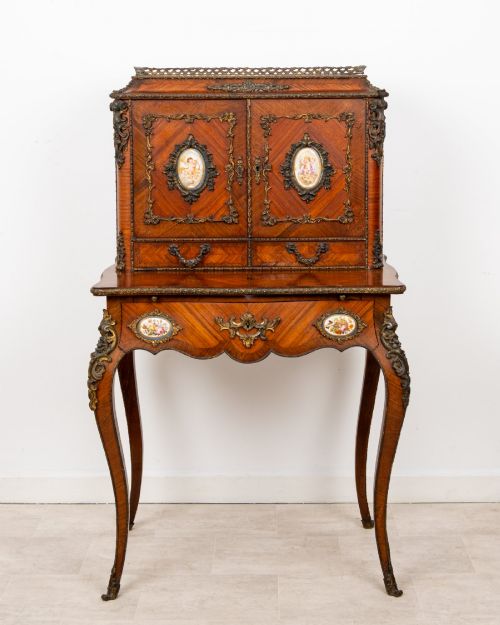
Makers and workshops of the era integrated porcelain panels into furniture such as kingwood bonheur du jour desks and occasional work tables. Many pieces reflect Louis XV and Louis XVI revival aesthetics popular across the 1850s to the 1900s.
How they were made
Craftsmen built structural frames from hardwoods like kingwood, walnut, and satinwood, applying brass and ormolu mounts to edge the forms. Hand-painted porcelain plaques and panels were then inset into the wooden furniture or mounted onto clock housings and lamp bases.
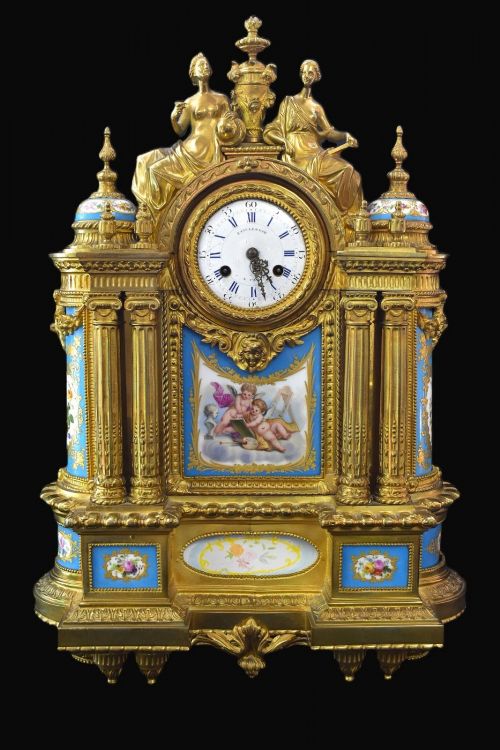
Gilt bronze and ormolu components underwent casting and chased finishing before being paired with the ceramic elements. Enamel dials and glass covers frequently completed the construction of timepieces alongside the porcelain body.
Sevres Porcelain Table Retail Price Guide 2026
Typical asking prices for sevres porcelain table among the pieces listed under this phrase on Sellingantiques today, from the lower quarter to the upper quarter. They describe what is for sale here now, not the wider market.
Several clock mechanisms bear the signatures of master horologists who managed to fit delicate porcelain into ticking time capsules.
What varies in quality
Quality separates through the crispness of the bronze casting and the precision of the hand-painted detail on the ceramic plaques. Finer examples display deeply chased ormolu mounts and carefully articulated figures or floral reserves on the porcelain.
The integration of the ceramic panels into the wooden or metal frame dictates the structural success of the piece. Superior items maintain tight joints and balanced proportions between the gilded metal and the fired clay.
Japy Freres·Jean-Baptiste Delettrez·Achille Brocot·Henry Marc·Etienne Lenoir·PH Mourey·Le Roy Et Fils
The Sevres Porcelain Table Glossary
- Ormolu
- Gilded bronze used for decorative mounts and fittings on furniture and clocks. This technique involves applying a mercury and gold amalgam to a bronze base.
- Bonheur du jour
- A small ladies writing desk featuring a raised cabinet or tier with shelves and drawers. These pieces often incorporate inset porcelain plaques.
- Jardinieres
- Ornamental planters or flower stands manufactured from wood or metal. They frequently appear with porcelain decoration.
- Bureau plat
- A flat-topped writing table free of an upper superstructure. These tables utilise timber veneers and metal mounts.
Sevres Porcelain Table: Frequently Asked Questions
What is a sevres porcelain table?
These items are nineteenth-century French furnishings and decorative objects featuring hand-painted ceramic plaques. They incorporate mounts made from gilt bronze and ormolu.
The category spans writing desks, occasional tables, and mounted clocks created during revival periods.
How were these tables used?
Writing desks and work tables served practical functions for correspondence and light needlework in nineteenth-century drawing rooms. Their decorated surfaces displayed the owners taste.
Clocks and lamps added functional illumination and timekeeping while anchoring the interior decorative scheme.
How do I identify the period?
Dating relies on stylistic markers from the Second Empire and Victorian eras, alongside maker signatures found on clock movements and mounts. Woods like kingwood and satinwood point toward mid-to-late nineteenth-century production.
Revival styles such as Louis XVI indicate specific aesthetic revivals popular between 1850 and 1900.
How do I care for the porcelain?
Maintenance requires gentle dusting with a soft, dry cloth to protect the painted ceramic surfaces and gilded metal. Moisture should be kept away from both the wood veneers and the enamel dials.
Harsh chemical cleaners damage the delicate gold leaf and hand-painted glaze on the plaques.