


Seventeenth Century Portrait Art
Seventeenth century portrait art offers a direct visual record of nobility, officers, and scholars through enduring oil paintings on canvas and panel.
Seventeenth Century Portrait Art
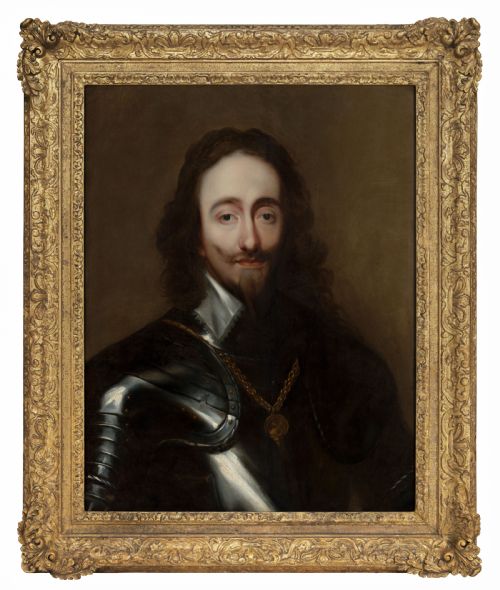
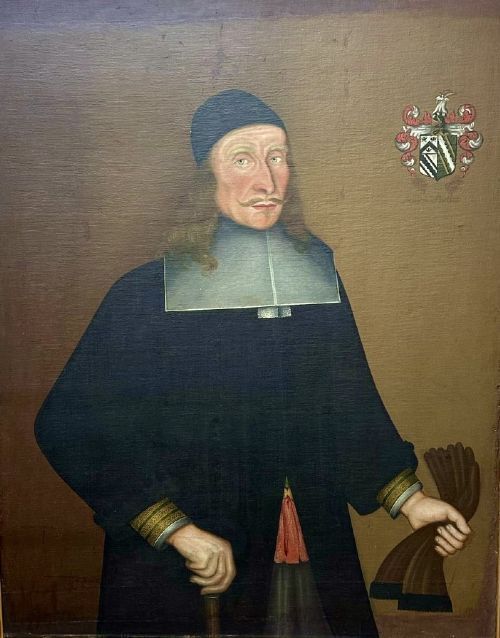
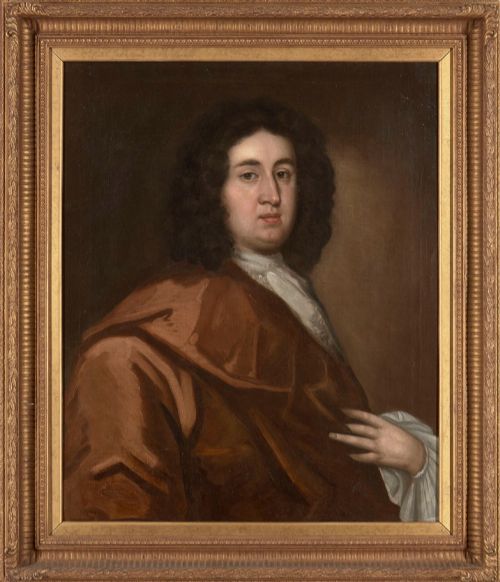
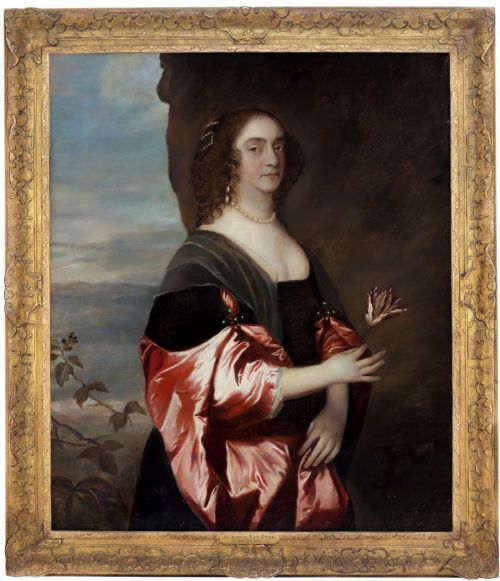
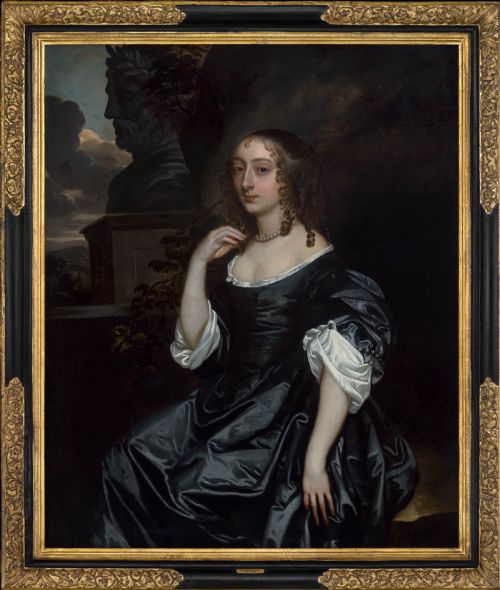
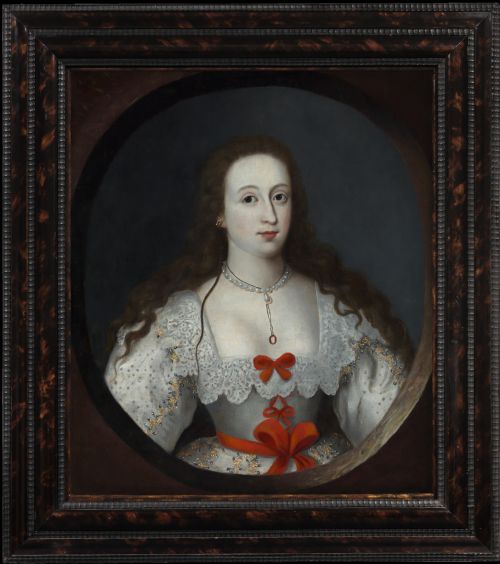
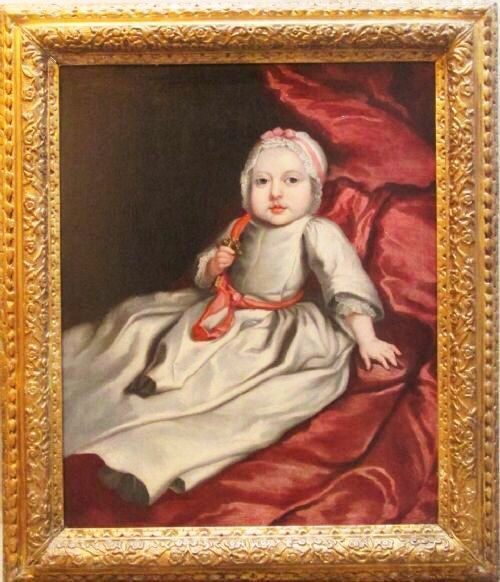
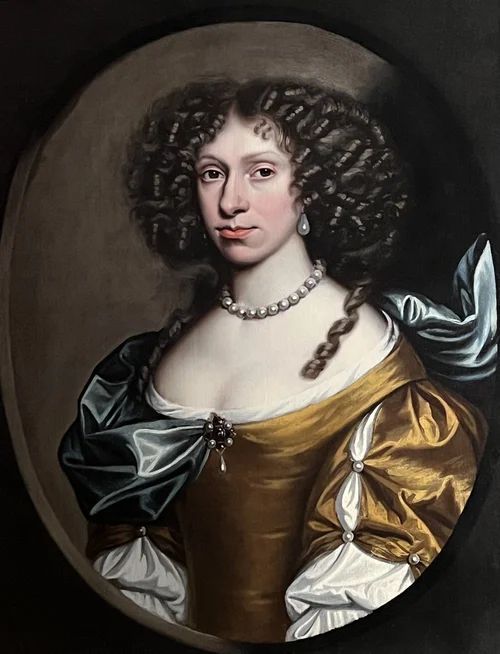
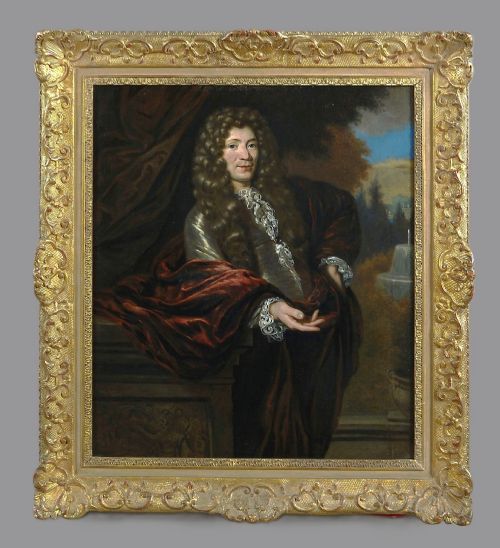
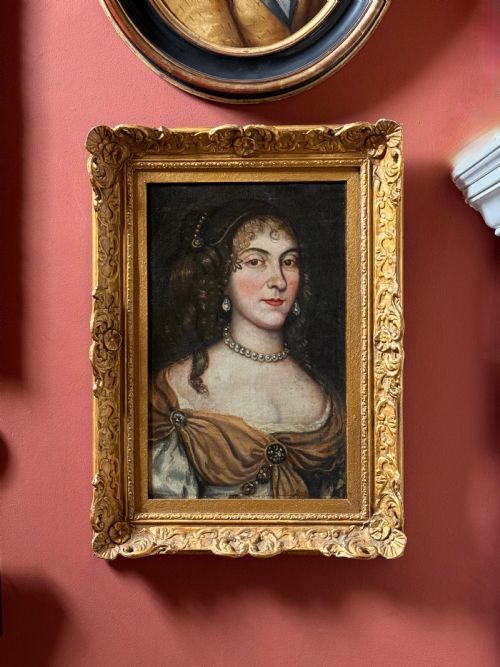
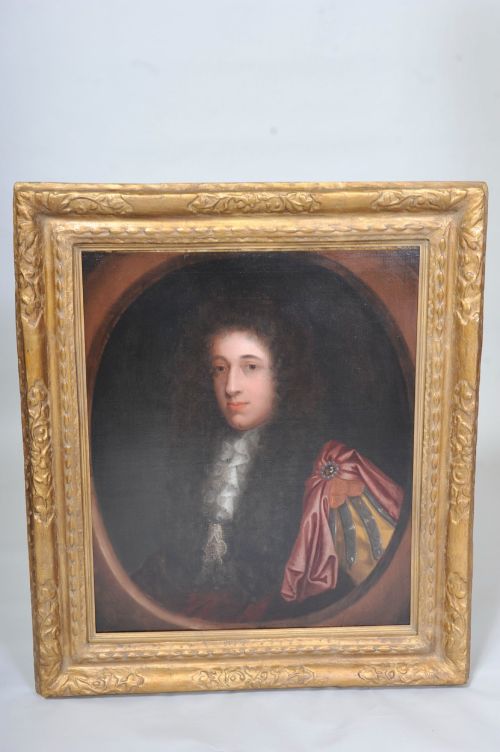
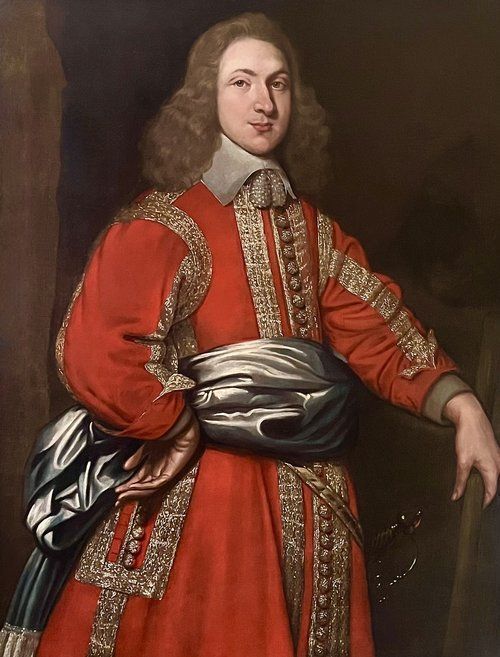
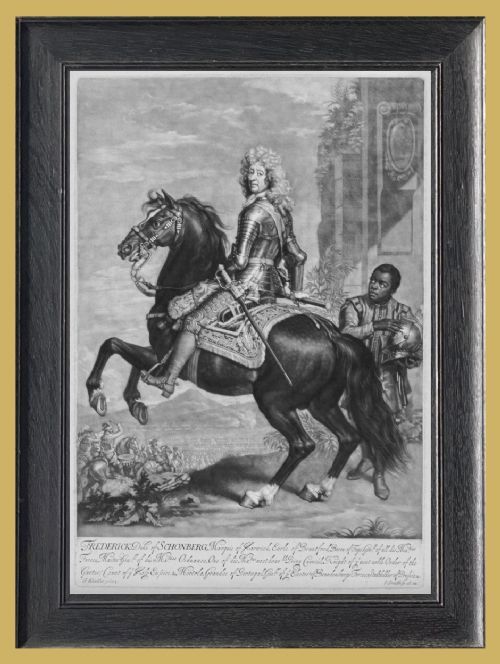
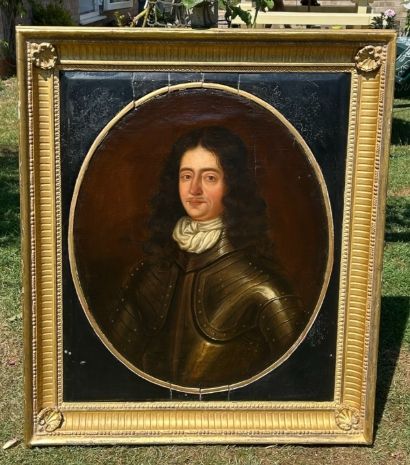
Seventeenth century portrait art encompasses oil paintings on canvas and oak panel, alongside period engravings and mezzotints depicting recognizable sitters or anonymous gentlefolk. The pieces on this page lean heavily towards oil on canvas portraits executed by English, Dutch, and Flemish schools, reflecting the stylistic developments of the Baroque and Jacobean periods.
Subjects range from titled nobility and clergymen to military officers and ladies adorned in pearls and red satin sleeves. Many works emerge from the circles of prominent portraitists or regional workshops, capturing the distinctive dress and status of the Stuart era.
Materials and Technique
Painters of this era applied oil paint onto prepared canvas or sturdy wood panels, often utilising rich pigments to render deep fabrics like velvet and satin. Giltwood frames, sometimes embellished with gold leaf, enclose many of these works to complement the dark, dramatic tones characteristic of the period.
Printmakers employed techniques such as mezzotint and engraving on paper to reproduce celebrated painted portraits for wider circulation. These methods relied on meticulous plate work to translate the subtle chiaroscuro of original compositions into monochrome prints.
Seventeenth Century Portrait Art Retail Price Guide 2026
Typical asking prices for seventeenth century portrait art among the pieces listed under this phrase on Sellingantiques today, from the lower quarter to the upper quarter. They describe what is for sale here now, not the wider market.
The documented styles include Dutch Golden Age, Jacobean, Stuart Period, and Flemish Baroque expressions.
Assessing the Standard
The distinction between a workshop piece and a primary hand lies in the vitality of the brushwork and the anatomical confidence within the face and hands. Master painters managed light and shadow to create genuine three-dimensional depth, whereas lesser studio productions often lapse into rigid symmetry and formulaic drapery.
Condition plays a vital role in preservation, particularly regarding the stability of the canvas and the integrity of the original paint layers. Works retaining their historical character without heavy modern overpainting command greater appreciation among collectors.
Sir Peter Lely·Cornelius Johnson·Pierre Mignard·Mary Beale·David Scougall·John Smith·Sir Godfrey Kneller·Michael Dahl·Nicolaes Maes·Thomas Hill·Pieter Nason·Adolphe-Alexandre Lesrel·Samuel Cooper·John Hoskins·Daniel Mytens
The Seventeenth Century Portrait Art Glossary
- Oil on canvas
- A painting medium where pigments suspended in oil are applied to a stretched fabric support. This method allowed artists to achieve rich colour blending and large-scale compositions.
- Panel painting
- A work executed on a rigid wooden support, typically oak in Northern European pieces. These sturdy surfaces frequently predate the widespread adoption of canvas.
- Mezzotint
- A printmaking process of the intaglio family where a textured metal plate is scraped to create tones and gradients. It excelled at reproducing the soft shadows of oil portraits.
- Circle of
- A designation used when a work shows the distinct style and hand of a master's immediate workshop or close followers. It denotes period proximity rather than direct authorship.
- Baroque
- The dominant artistic style of the seventeenth century characterised by dramatic lighting, rich textures, and psychological intensity. It elevated portraiture from mere record to theatrical statement.
Seventeenth Century Portrait Art: Frequently Asked Questions
What is the difference between an original painting and a print?
Original seventeenth century works consist of hand-applied oil paint on canvas or wood panel, showing visible brush texture and depth under magnification. Prints from the era, including mezzotints and engravings on paper, rely on inked lines or textured plates to reproduce images.
While prints offer historical insight into how portraits were distributed, paintings represent unique primary creations by artists of the period.
How should I care for an antique oil painting?
Display the artwork away from direct sunlight and fluctuating heat sources to protect the delicate oil paint and canvas substrate. Maintaining a stable indoor environment prevents the wood panels or stretchers from warping.
Cleaning should be left to professional conservators, as household materials can permanently damage the fragile historical layers.
What does attribution to a school mean?
Attributions like English School or Anglo-Dutch School indicate that a work was produced within a specific regional artistic tradition rather than by a documented master. These paintings share the technical methods and stylistic conventions common to workshops of that geography.
Such designations provide a reliable contextual framework when direct signatures are absent.