


Set of Framed Artwork
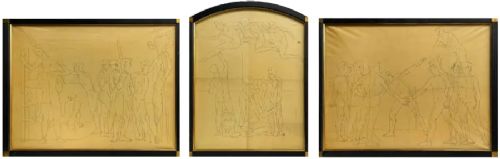
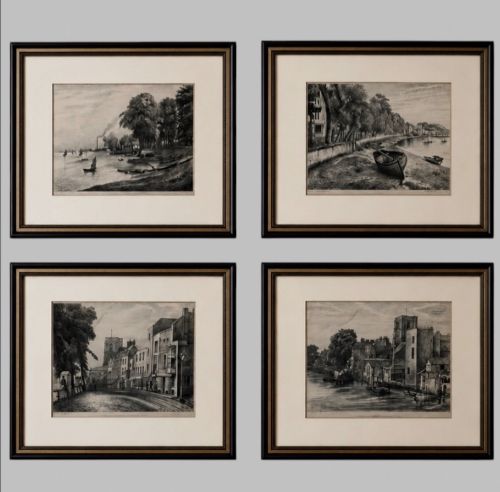
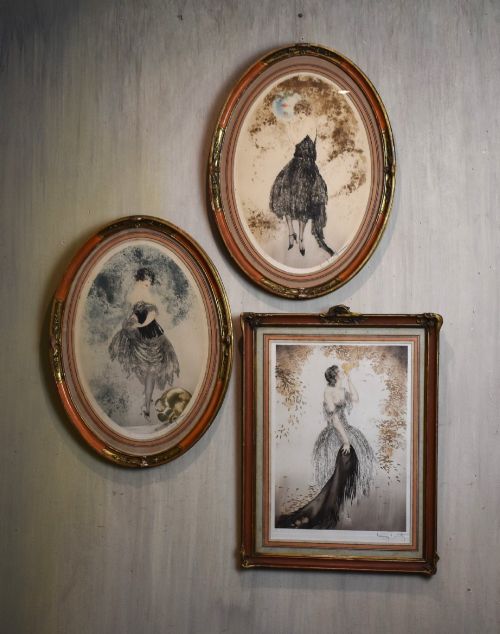
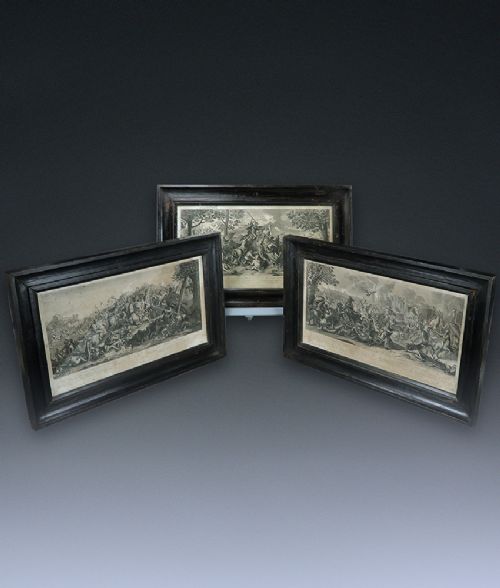
A set of framed artwork brings uniformity and narrative depth to a wall through matched groupings spanning the eighteenth to the twentieth century.
Set of Framed Artwork
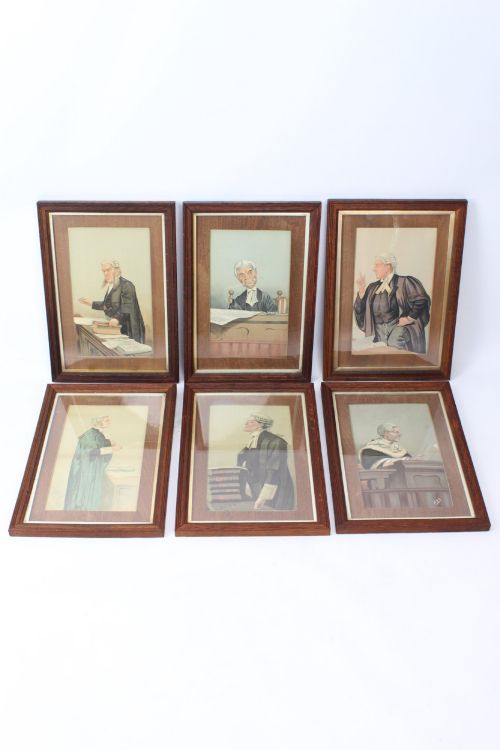
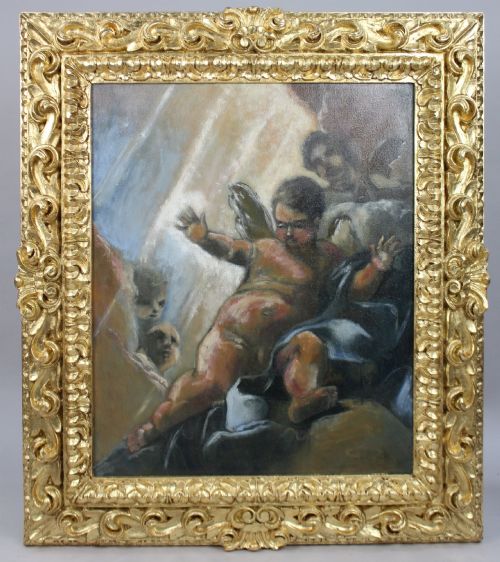
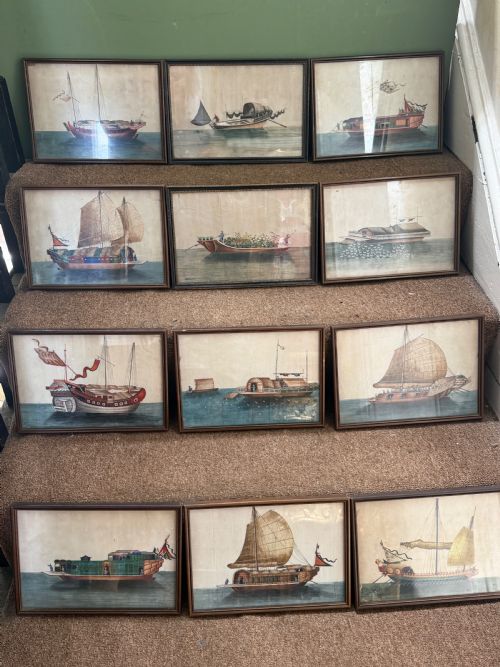
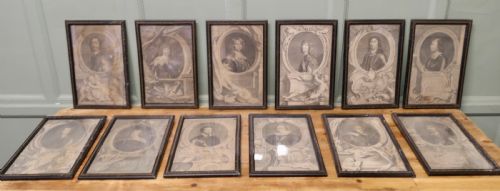
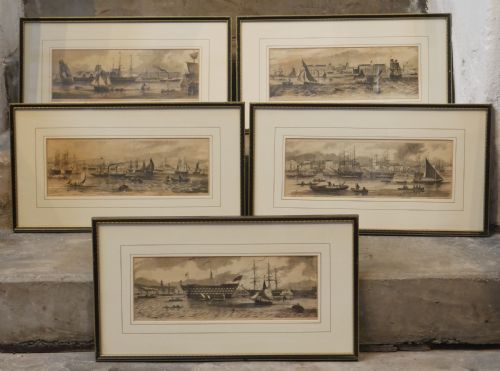
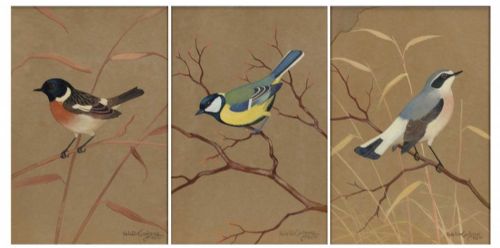
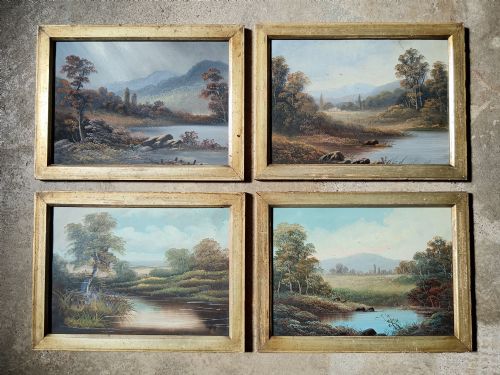
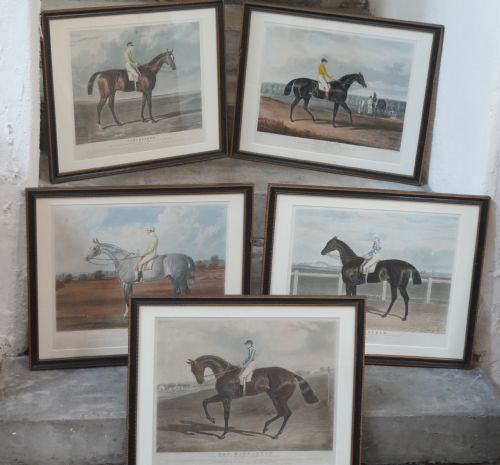
A set of framed artwork gathers related prints, engravings, watercolours or oils into a cohesive display designed to be hung together. Buyers searching this phrase encounter matched groupings such as botanical studies, architectural scenes, sporting engravings and Chinese export gouaches.
The pieces on this page span several centuries, including Georgian and Regency plates, Victorian satirical or sporting series, and early twentieth-century decorative prints. Most entries consist of uniform multiples like pairs, sets of four, or larger series of twelve that maintain identical framing and subject matter.
Materials and technique
The works rely heavily on paper supports carrying hand-tinted washes, delicate watercolours, gouache, or inked lines from copper and steel engravings. Artists and printers also utilised lithography and mezzotint techniques to achieve tonal depth across multiple impressions.
Framing materials reflect the period of production, predominantly featuring carved wood, giltwood, and protective glass. Many older sets retain their original mounting or period frames that complement the specific medium inside.
Listings feature works across paper, wood, and glass, utilising media from gouache and watercolour to ink and oil paint.
Markers of excellence
Quality rests upon the crispness of the original impression in printed works and the preservation of pigment vibrancy in hand-painted watercolours and gouaches. Stronger examples maintain clear plate marks, minimal fading, and authentic period pigments without excessive modern restoration.
The integrity and harmony of the frames significantly influence the overall standard of a set. Matching frames with original gilding or period woodwork elevate the presentation far above mismatched or later replacements.
Jacobus Howbraken·Louis Icart·Thomas G Appleton·John Flaxman·Pancrace Bessa
The Set of Framed Artwork Glossary
- Engraving
- A printmaking method where an artist cuts lines into a metal plate to hold ink. This technique allows for exceptionally fine detail and sharp architectural lines.
- Mezzotint
- A printmaking process producing rich tonal gradations rather than simple lines. Artists roughen the copper plate to create deep blacks and subtle highlights.
- Gouache
- An opaque watercolour medium containing a binding agent that yields solid matte colour. It appears frequently in botanical and Chinese export studies on this page.
- Pith paper
- A delicate material made from the cellular pith of the Tetrapanax papyrifer plant. Nineteenth-century Chinese artists painted vivid botanical and figurative scenes directly onto this fragile surface.
Set of Framed Artwork: Frequently Asked Questions
How do I hang a large set?
Maintain consistent spacing between each frame to preserve the visual rhythm of the series. Aligning the centre points or the top edges creates a balanced arrangement on the wall.
Consider the scale of the room and the overall span of the grouped pieces before fixing hardware into the plaster. Using sturdy picture wire and proper wall anchors ensures safety for heavier wood and glass frames.
Are these sets original or reproduction?
The listings on this page comprise genuine period works ranging from the seventeenth to the mid-twentieth century. Examination of the paper texture, printing ink, and framing materials helps confirm their age.
Inspect the edges of the sheets for plate marks in engravings and authentic ageing on the paper support. Original pieces often show appropriate oxidation and minor historical wear consistent with their stated eras.
How do I protect paper art from light?
Keep framed paper works away from direct sunlight to prevent fading of watercolours, gouaches, and tinted printing inks. Ultraviolet light causes irreversible damage to delicate pigments over time.
Positioning pieces on interior walls or using specialised conservation glass with UV-filtering properties helps safeguard the integrity of antique paper and paintings.
Can I separate a matched set?
Splitting a matched historical series diminishes both its aesthetic cohesion and its collective value. These groupings were conceived and executed as unified visual statements.
Preserving the set intact maintains the narrative sequence intended by the publisher or artist, whether depicting botanical studies, architectural scenes, or sporting plates.