


Serpentine Walnut Card Table
A serpentine walnut card table brings fluid curves and rich timber grain to a room, functioning as both a display surface and a folding games table.
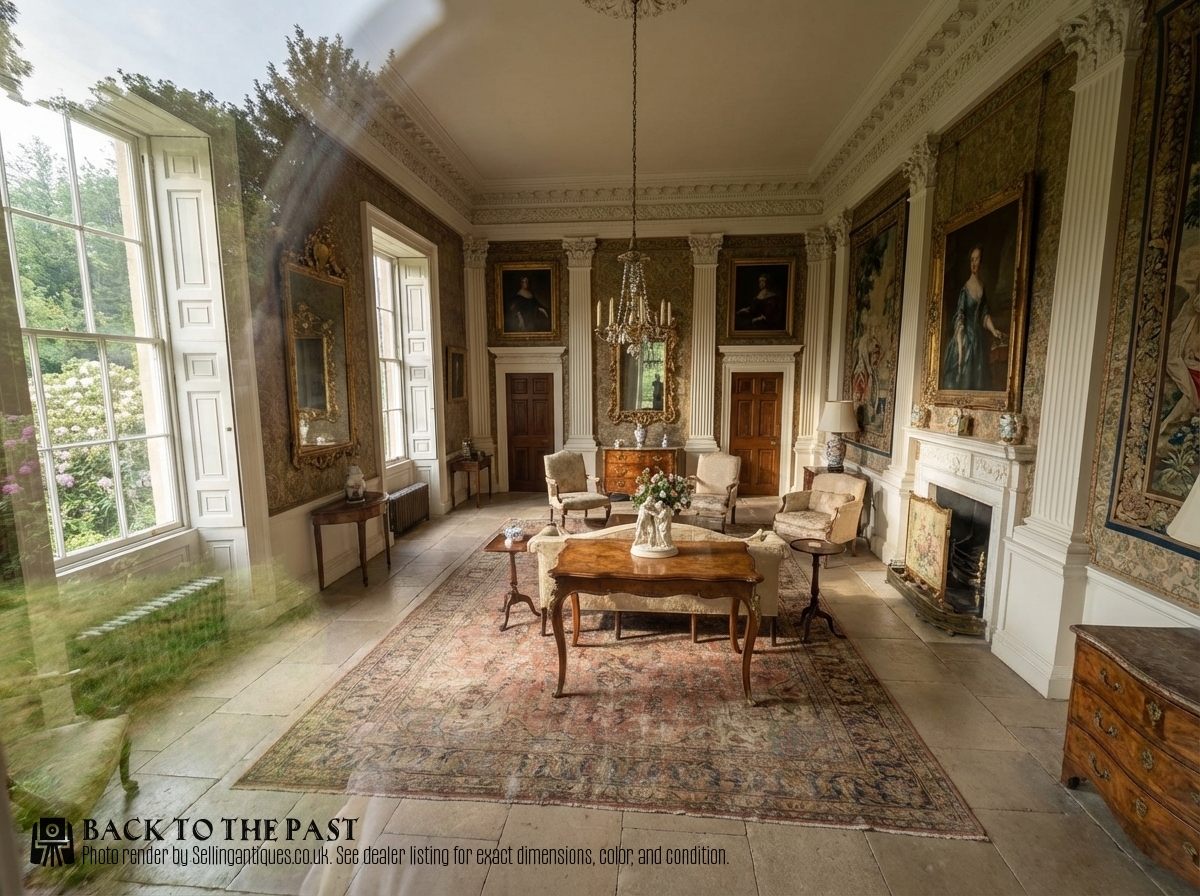
Materials and construction methods
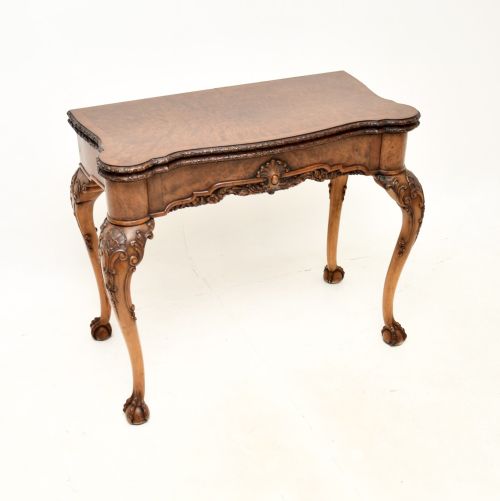
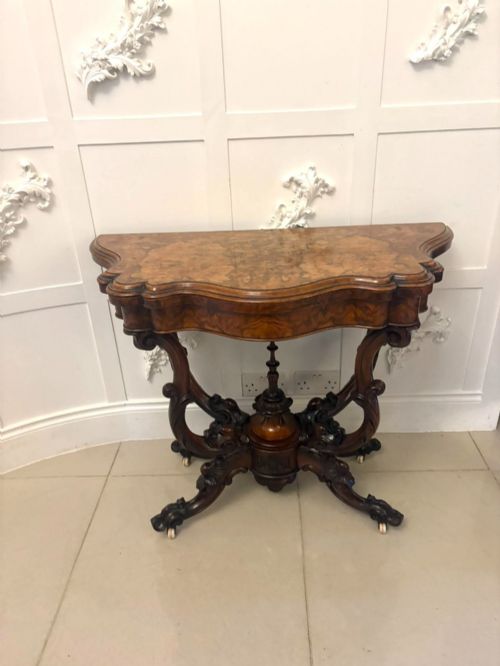
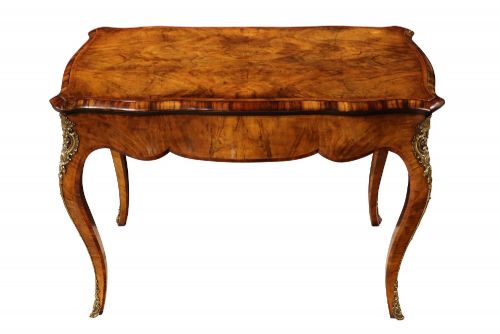
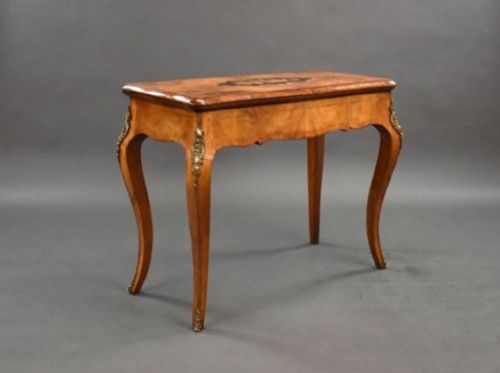
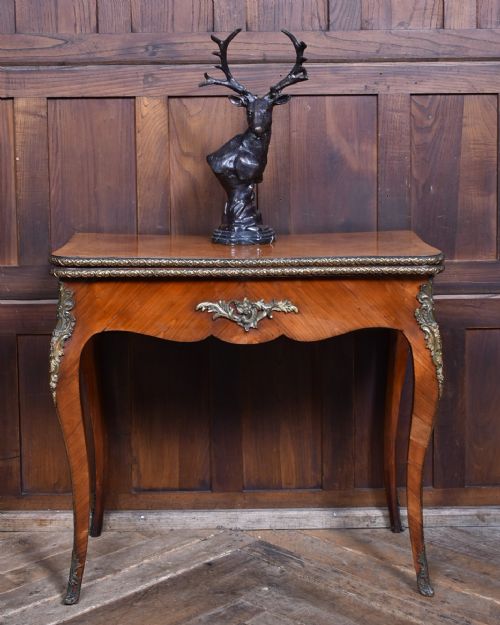
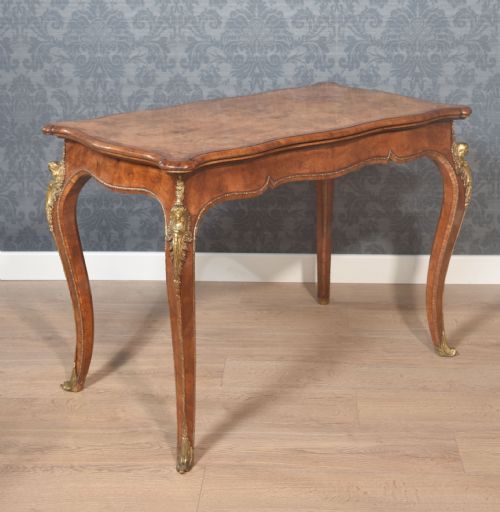
Cabinetmakers constructed these tables using solid hardwoods as a foundational frame, applying highly figured burr walnut veneers to the visible surfaces to create decorative grain patterns. Marquetry inlay, brass accents, and ormolu mounts frequently adorn the tops and friezes, reflecting revivalist design influences.
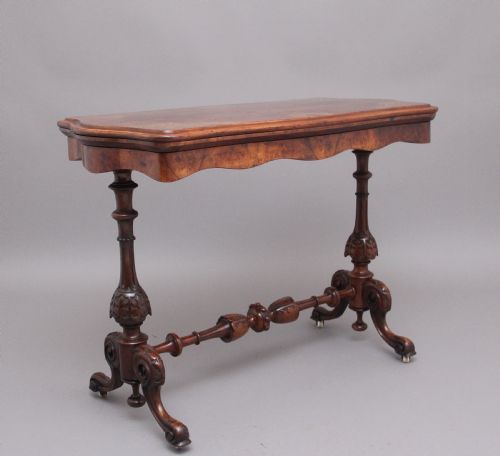
The folding mechanism relies on hinged tops that rotate or fold open to reveal a baize-lined playing surface, supported by pillar pedestals, carved basket bases, or cabriole legs.
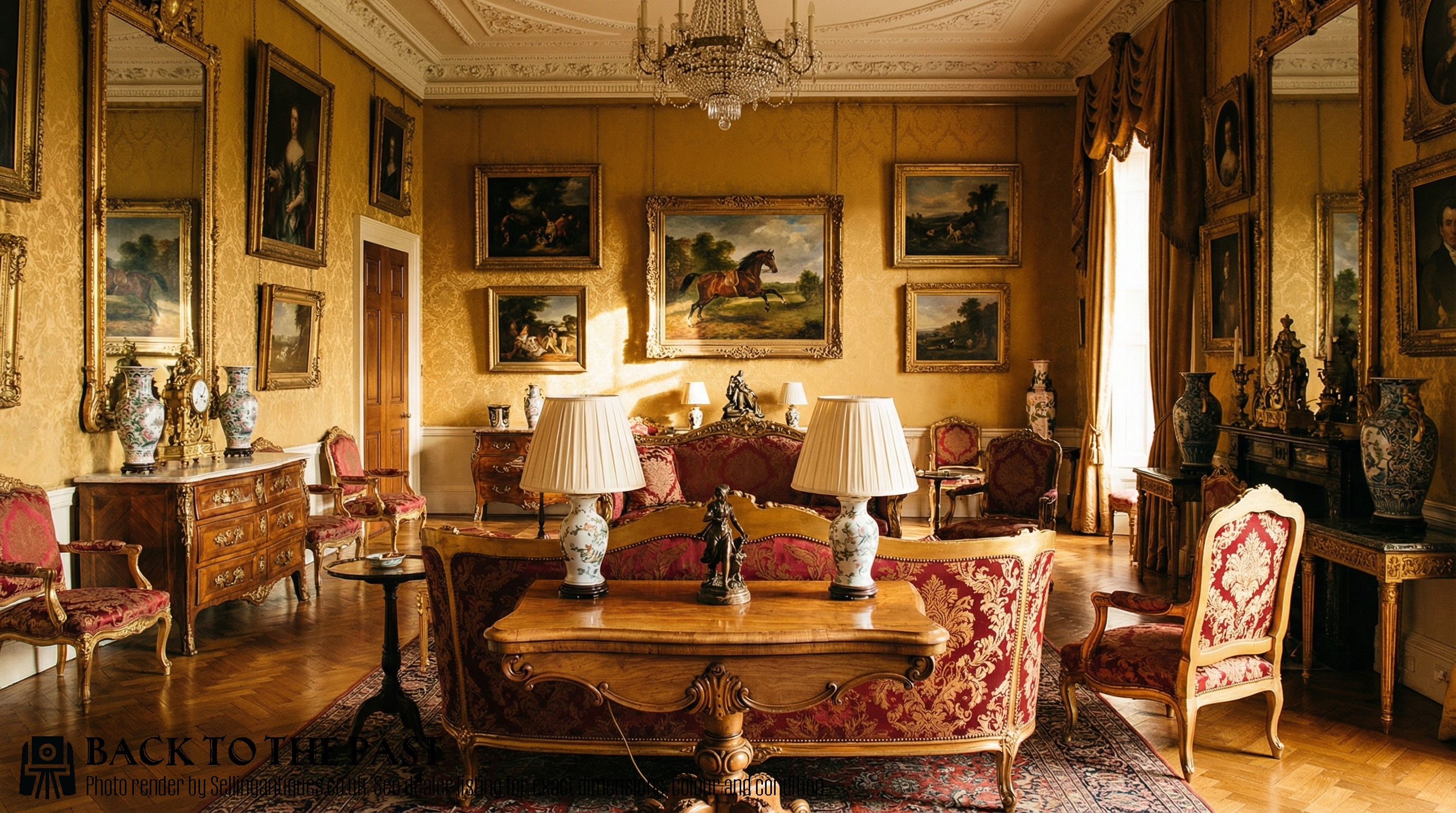
Markers of craftsmanship and finish
Quality rests in the selection of the burr walnut veneer and the precision of the marquetry inlay, where harmonious grain matching across the serpentine curves signals superior workshop standards. Finer pieces demonstrate meticulous hand-carving on the pedestal bases and leg mounts rather than cast uniformity.
Structural integrity in the folding action and hinges separates master cabinetwork from simpler commercial production, ensuring the top sits flush and true in both open and closed positions.
Listings feature walnut, burr walnut, brass, ormolu, and wood inlay across Victorian, Georgian, and Dutch Baroque styles.
The Serpentine Walnut Card Table Glossary
- Serpentine
- A furniture design featuring an undulating front edge with alternating convex and concave curves. This contour requires precise carpentry to follow the flowing lines.
- Burr walnut
- A specialised timber veneer harvested from the growth excrescences on walnut trees. It yields complex, swirling grain patterns highly prized for decorative table tops.
- Marquetry
- The art of applying decorative pieces of wood veneer to a structural structure to form intricate pictorial or geometric designs. It often incorporates lighter timbers against the dark walnut ground.
- Fold over
- A dual-surface table construction where the top hinges open to double the surface area for gaming or dining. This mechanism conceals the interior well when closed.
- Ormolu
- Gilded bronze ornamentation applied to furniture mounts and decorative details. It provides bright metallic contrast against dark woods.
Serpentine Walnut Card Table: Frequently Asked Questions
How do I use a serpentine walnut card table today?
These tables function well as console or side tables against a wall when folded shut, offering a decorative surface for lamps and ornaments.
Opening the top reveals a generous space suitable for card games, writing, or display during gatherings.
What is the difference between Georgian and Victorian examples?
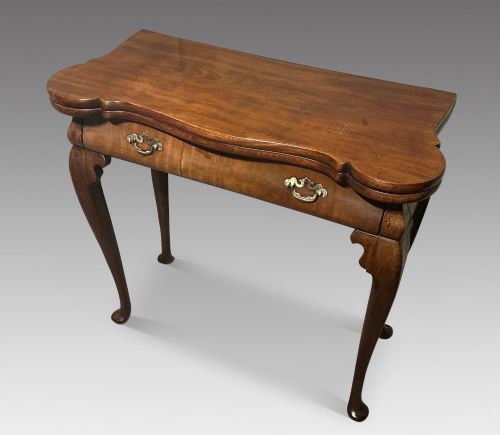
Georgian versions tend to feature simpler lines and flatter mahogany or walnut surfaces, reflecting the restrained tastes of the eighteenth century.
Victorian models embrace the serpentine curve more fully, frequently combining burr walnut veneers, marquetry inlay, and elaborate pedestal bases.
How do I care for burr walnut veneer?
Keep walnut furniture away from direct sunlight and heat sources to prevent the delicate veneers from drying out and lifting.
Dust regularly with a soft cloth and apply quality beeswax periodically to maintain the lustre of the timber.
What styles influence these tables?
Many pieces draw inspiration from French taste, exhibiting Louis XV and Louis XVI revival characteristics through flowing curves and decorative inlay.
Dutch Baroque influences also appear, particularly in floral marquetry patterns executed across the folding tops.