


Serpentine Painted Side Table
A serpentine painted side table brings fluid grace and decorative charm to a room, combining curved woodwork with hand-applied surface finishes.
Serpentine Painted Side Table
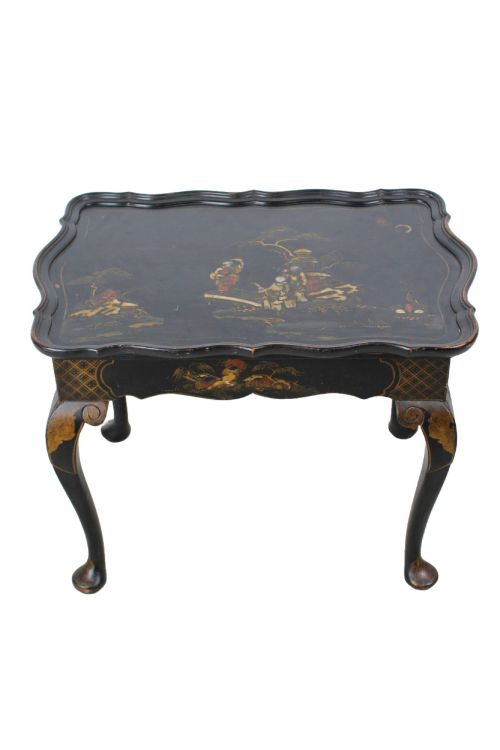
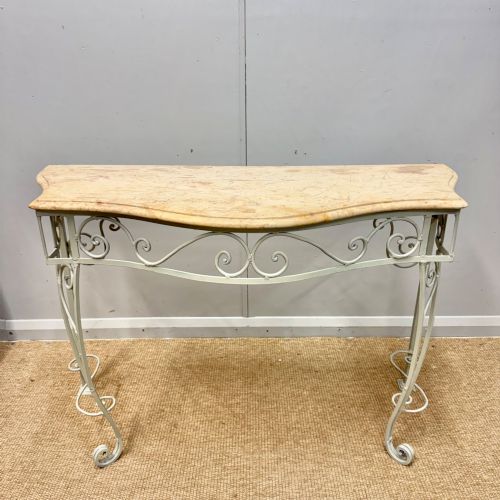
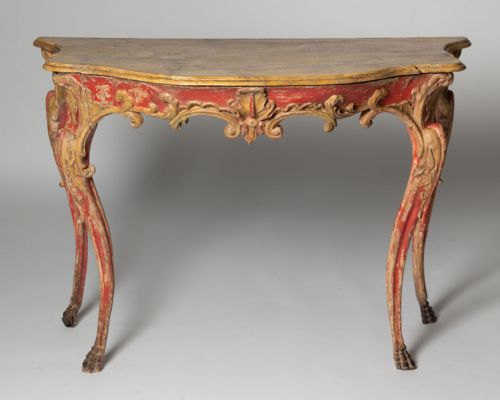
A serpentine painted side table presents an undulating front edge paired with a decorated wooden surface, appearing across periods from the eighteenth century through to the interwar decades. These pieces emerge in various forms such as console tables, occasional tables, and Pembroke tables, reflecting distinct regional tastes.
The aesthetic leans heavily towards continental influences, with Italian Rococo, Venetian Rococo, and French Chateau styles appearing alongside English Country and Edwardian interpretations. Buyers frequently encounter console tables and side tables featuring painted decoration, gesso, and parcel gilding.
Origins span British and continental workshops, incorporating styles like Edwardian Chinoiserie and Rococo Revival. The combination of the serpentine silhouette and painted timber defines the visual character of these furnishings across different eras.
Materials and construction methods
Construction relies upon timber, wood, and occasionally carved wood, shaped to create the characteristic curving serpentine outline. Artisans prepared these wooden foundations with layers of gesso to create a smooth, receptive ground for subsequent painted decoration and gold leaf application.
Surfaces received hand-applied paint, sometimes enhanced with parcel gilt details or intricate Chinoiserie motifs. Structural variations also incorporate marble tops set within carved or painted wooden frames, particularly on console tables originating from continental makers.
Listings feature periods spanning the eighteenth century, nineteenth century, Edwardian era, and the 1920s to 1930s.
Assessing quality and craftsmanship
Quality rests upon the precision of the serpentine curve in the timber and the finesse of the hand-painted decoration across the surface. Finer examples display harmonious proportions and delicate application of gesso and gold leaf that complement the underlying wooden structure.
The depth of carving in the wood and the integration of secondary materials like marble tops distinguish more ambitious pieces from simpler occasional tables. Superior execution shows restraint and clarity in decorative motifs, whether following an Italian Rococo or an English eighteenth-century design.
Pauly et Cie
The Serpentine Painted Side Table Glossary
- Serpentine
- A furniture front or edge shaped with a central concave curve flanked by two convex curves, resembling a snake's movement. This undulating contour requires skilled woodworking to achieve fluid lines.
- Gesso
- A plaster-like mixture applied to wood surfaces as a base for paint and gilding. It provides a smooth white ground that enhances decorative work.
- Parcel Gilt
- A finish where portions of an object are highlighted with gold leaf while the rest remains painted or exposed wood. This technique adds subtle emphasis to carved details.
- Pembroke Table
- A small rectangular table featuring two hinged drop leaves on opposite sides. It often includes a single drawer and slender legs.
- Chinoiserie
- European artistic styles reflecting Chinese motifs and techniques, popular in furniture decoration during the Edwardian period and earlier.
Serpentine Painted Side Table: Frequently Asked Questions
What is a serpentine painted side table?
A serpentine painted side table is a piece of furniture featuring an undulating curved front edge and a decorative painted finish on wood. These tables encompass forms like consoles, Pembroke tables, and occasional tables.
Originating across multiple centuries, they draw on styles ranging from Venetian Rococo to Edwardian Chinoiserie. Their defining traits are the rhythmic sweep of the woodwork and applied surface decoration.
How were these tables used originally?
Historically, these tables served functional and decorative roles in reception rooms, hallways, and drawing rooms. Console tables stood against walls, often beneath mirrors, while Pembroke and side tables held lamps or small decorative objects.
Their painted surfaces and elegant silhouettes suited formal entertaining and domestic display. They added colour and architectural interest to interior spaces.
Where do these tables originate?
The listings show origins spanning English workshops and continental European centres, particularly France and Italy. Regional preferences shaped distinct aesthetic traditions.
Italian and Venetian pieces often embrace Rococo curves and rich paintwork, while English examples range from eighteenth-century satinwood to Edwardian interpretations. Each region brought specific cabinet-making and decorative techniques to the form.
How do I style a painted side table?
Styling a painted side table involves balancing its decorative surface with functional placement in a contemporary or traditional interior. Allow the painted motifs and serpentine lines to remain visible by keeping tabletop arrangements minimal.
Position the table in an entrance hall, living room, or bedroom where its form can complement existing furniture. Pairing it with complementary mirrors or lighting enhances its historical character.