


Green Gilt Wooden Table
A green gilt wooden table brings colour and carved warmth into a room, offering practical surface space finished with painted surfaces and gold leaf.
Green Gilt Wooden Table
When you search for a green gilt wooden table, you are looking at items that combine painted green timber surfaces with applied gold leaf or parcel-gilt highlights. These pieces mostly appear in forms such as side tables, centre tables, and console tables.
The selections span several periods including the nineteenth century, the Edwardian era, and the nineteen-twenties and thirties. Styles range from French Neoclassical and Italian Rococo to Venetian and Brighton Pavilion designs.
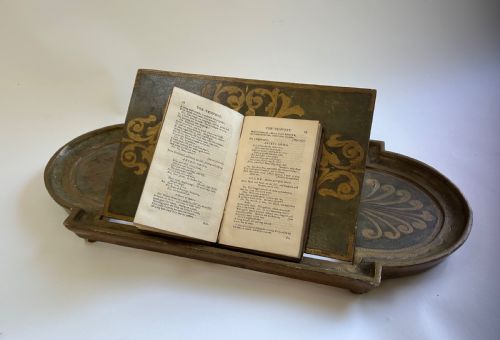
Alongside tables, the listings include related forms like side cabinets, book stands, and occasional stands. These share the characteristic green and gilt palette applied over timber structures.
Materials and construction
Construction relies primarily on wood, timber, and gesso, which provide a stable base for decorative surface treatments. Artisans shaped these materials into carved frames, turned supports, and panelled surfaces.
Surface decoration involves layers of paint, often in shades of green, combined with giltwood details or parcel-gilt highlights. Some examples incorporate inset marble tops and bronze ornaments to add weight and colour contrast.
Listings feature items from the nineteenth century up to nineteen-forty, utilising wood, gesso, paint, marble, and bronze.
Judging quality in green gilt wooden tables
Quality depends on the depth and crispness of the carved wooden ornament beneath the paint and gilding. Pieces with hand-carved details and layered gesso preparation hold their decorative finish better than simpler constructions.
The harmony between the green painted ground and the gold leaf application distinguishes finer examples. Subtle ageing of the paint and intact gilding contribute to the visual presence of the piece.
John Tesch
The Green Gilt Wooden Table Glossary
- Giltwood
- Wood that has been coated with gold leaf or a gold-coloured finish. This technique adds bright reflective highlights to carved wooden furniture.
- Gesso
- A plaster-like mixture applied to wood to create a smooth surface for painting or gilding. It allows for sharp, detailed carving relief.
- Parcel-gilt
- Partially gilded, where only specific raised details or carved elements receive gold leaf while the rest of the object remains painted. This creates a balanced two-tone effect.
- Console table
- A table designed to be fixed against a wall, often supported by ornate legs or brackets. These pieces frequently feature decorative marble tops.
- Centre table
- A freestanding table intended to be viewed from all sides, placed in the middle of a room. They often feature detailed work across the entire base and top.
Green Gilt Wooden Table: Frequently Asked Questions
What periods do these green tables come from?
The pieces span the nineteenth century, alongside items from the nineteen-tens, twenties, and thirties. You will also find items attributed to the Victorian era.
Design influences across these decades draw heavily on Italian and French regional traditions, as well as nineteenth-century revival styles.
How do I care for a painted and gilt surface?
Keep these items out of direct sunlight and away from sudden temperature changes to protect the paint and gold leaf. Dust gently with a dry, soft cloth.
Avoid using liquid cleaners, polishes, or abrasive cloths, as these can damage the gesso and flake the historic painted layers.
Are marble tops original to these tables?
Several console and centre tables incorporate inset marble tops alongside their wooden frames. These stone surfaces were typically integrated during the initial manufacture to provide a durable and cool serving area.
Inspect the fit of the marble within the wooden rebate to understand how it relates to the surrounding structure.
Where should I place a console table?
Console tables work well placed flat against a wall in a hallway, drawing room, or dining space. Because they are designed with a finished front and sides, they occupy minimal depth while providing a useful surface.
They often pair with mirrors or artwork hung directly above them to create a balanced focal point in a room.