
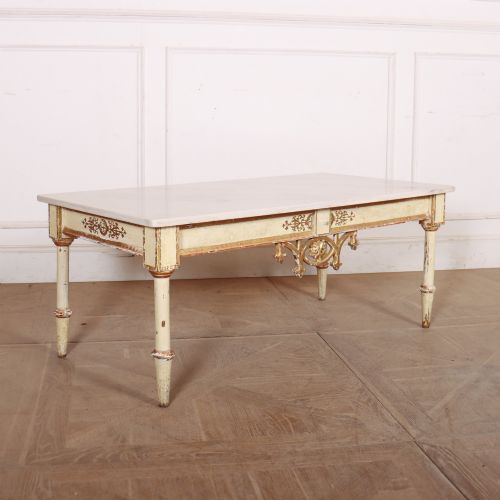

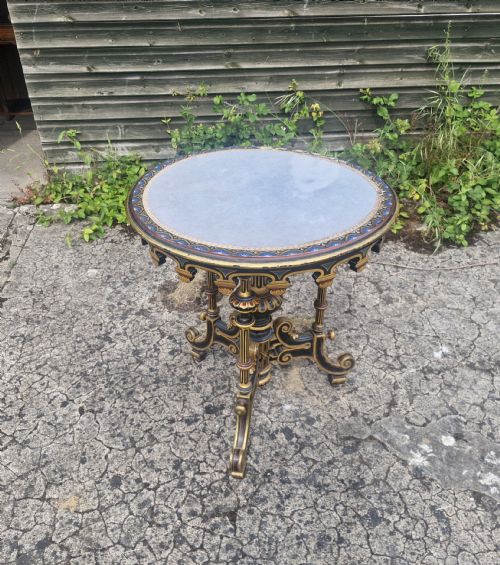
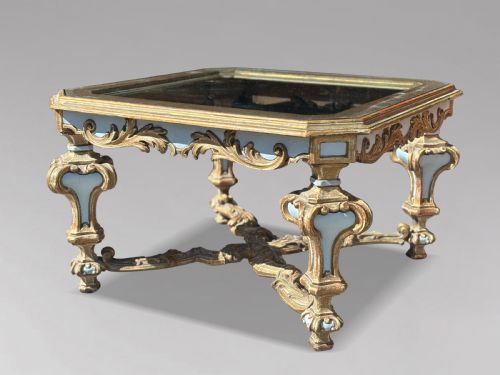


Carved Painted Tea Table
A carved painted tea table brings hand-applied colour and decorative surface work straight to the middle of the room.
Carved Painted Tea Table
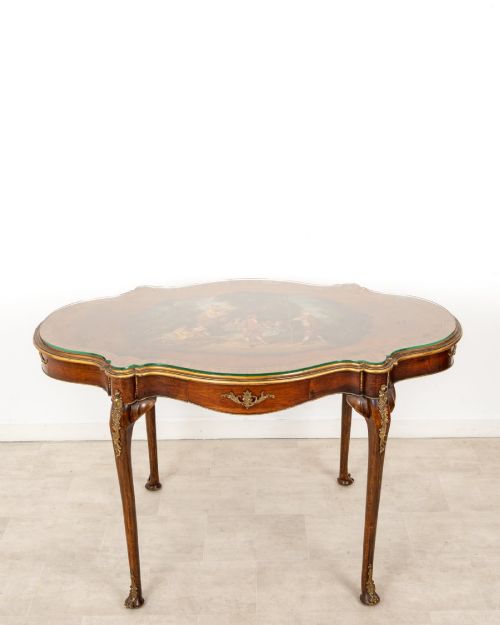
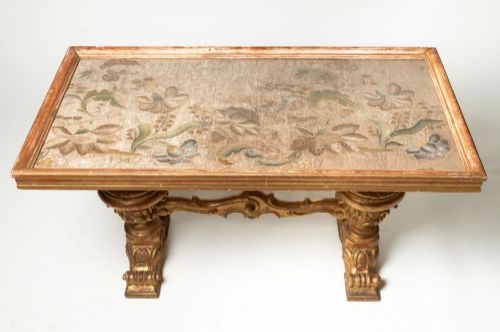
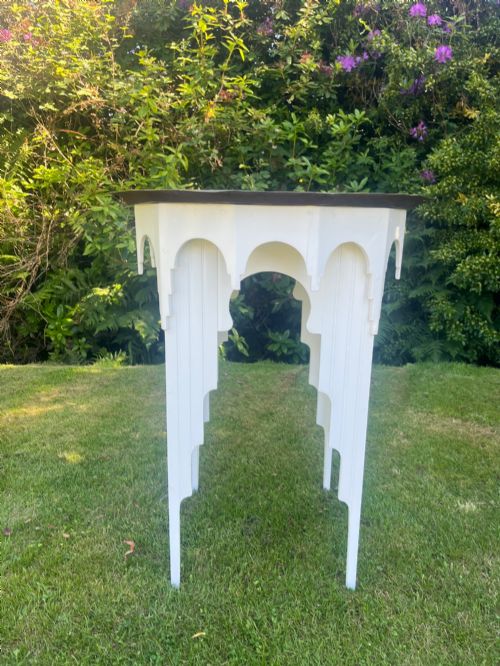
A carved painted tea table combines timber construction with decorative surface painting, spanning periods from the late nineteenth century through to the nineteen thirties. These tables appear in forms such as side tables, coffee tables, occasional tables, and centre tables.
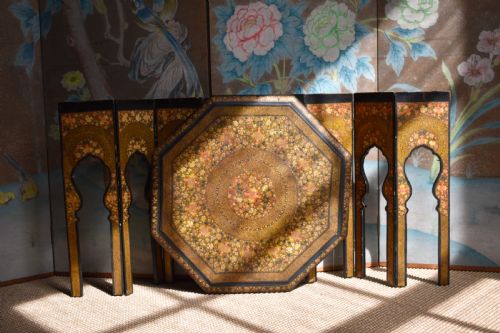
The aesthetic reaches across various international styles, incorporating Anglo-Indian and Kashmiri traditions alongside European movements like Louis XV, Italian Baroque, and Scandinavian Country design. Buyers encounter pieces finished with painted wood, lacquer, gilt, glass, metal, and marble inserts.
Origin points are diverse, ranging from French and Italian workshops to Scandinavian regions and Indian centres of production. Each piece offers a distinct physical profile shaped by regional decorative tastes of its decade.
Construction and surface methods
Carved wooden foundations provide the structural base, utilising timbers like walnut alongside painted wood and black lacquer. Artisans shaped these structures into specific furniture types before applying decorative schemes.
Surface decoration relies on hand-applied paint, lacquer layers, and occasional gilt detailing to enrich the wood. Additional elements such as glass tops, metal components, and inset marble slabs frequently complete the construction.
The listings on this page span the Victorian era, the Edwardian period, and the nineteen twenties and thirties, featuring painted wood, lacquer, and marble.
Assessing quality in decorative tables
The refinement of the carving work and the execution of the painted or lacquered surface dictate the overall standard of the piece. Crisp detail in the woodwork and careful application of colour separate finer examples from simpler provincial work.
Cohesion between the structural form and the chosen stylistic revival, whether Moorish, Baroque, or French Louis XV, determines the visual success of the table. The integration of secondary materials like marble or gilt bronze further elevates the piece.
Harrods
The Carved Painted Tea Table Glossary
- Vernis Martin
- A simulated Japanese lacquer technique developed in eighteenth-century France and applied to fine European furniture. It involves multiple layers of translucent varnish over painted decoration.
- Occasional table
- A small, versatile table designed for specific, intermittent use rather than a permanent functional role in a room. These pieces function easily beside seating areas.
- Centre table
- A freestanding piece finished on all sides to stand in the middle of a room rather than against a wall. Such tables often feature decorative tops designed for viewing from any angle.
- Moorish Revival
- An architectural and decorative style popular during the nineteenth and early twentieth centuries. It draws heavily on Islamic design motifs, intricate geometric patterns, and low relief carving.
- Tray top table
- A table featuring a removable or fixed tray top with raised edges. This design prevents items from sliding off and facilitates serving.
Carved Painted Tea Table: Frequently Asked Questions
Where should I place a painted occasional table?
These tables suit sitting rooms, reading corners, or hallways where their decorative surfaces can catch the eye. Their compact scale allows them to function easily beside chairs or sofas.
Ensure the piece sits away from direct heat sources to protect the painted or lacquered finish over time.
How do I care for a lacquered surface?
Dust the surface regularly with a soft, dry cloth to prevent dirt accumulation. Avoid harsh chemical cleaners and moisture, which can damage aged lacquer and paint.
Keep the table out of direct sunlight to prevent the painted colours from fading.
What defines an Anglo-Indian table?
Anglo-Indian pieces combine traditional Indian carving techniques with European furniture forms designed for colonial homes. They frequently feature dense floral or geometric relief work on native timbers.
These tables bring a distinct textural element to a room through deep wood carving.
Are centre tables meant for daily use?
Centre tables are built to stand freely in a room and handle everyday items like books or decorative objects. Their sturdy frames support regular domestic life while serving as a visual focal point.
Use coasters to protect painted or polished tops from liquid marks.