


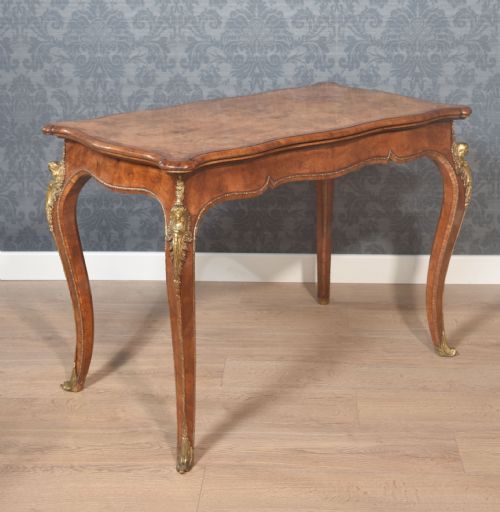


Serpentine Gilt Console Table
A serpentine gilt console table brings architectural weight and fluid eighteenth-century curves to a hallway or drawing room.
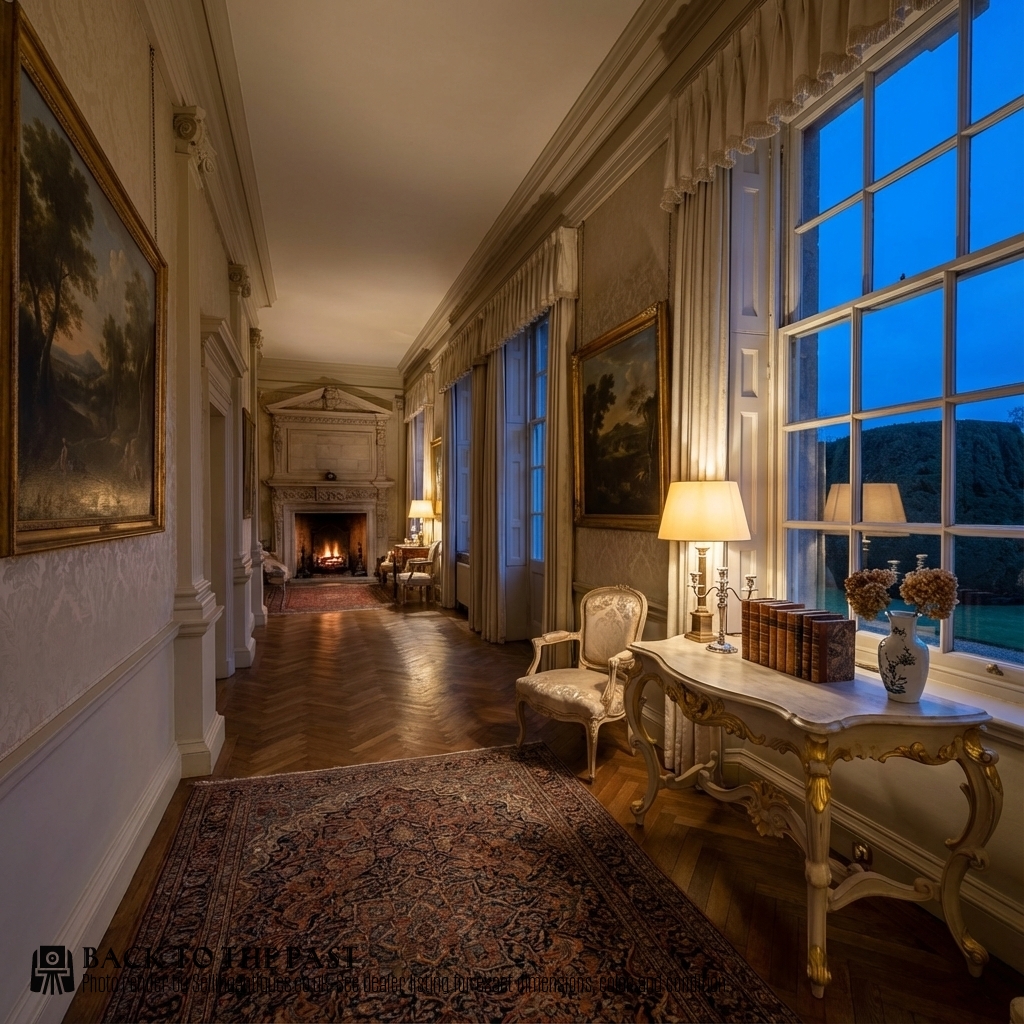
Serpentine Gilt Console Table
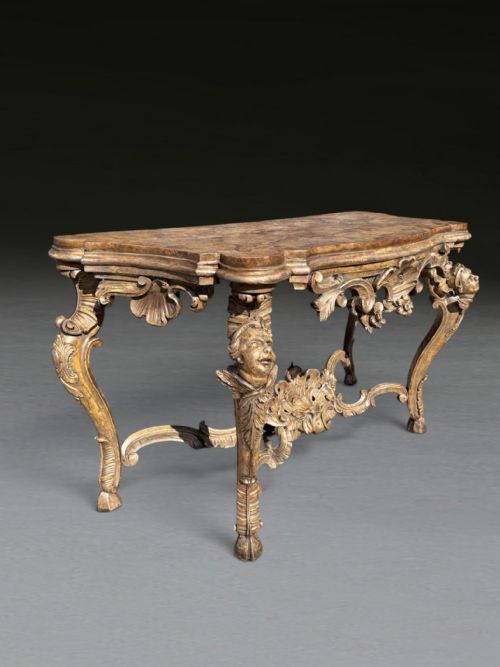
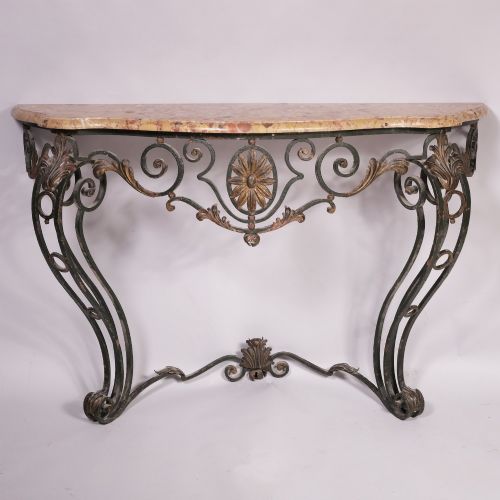
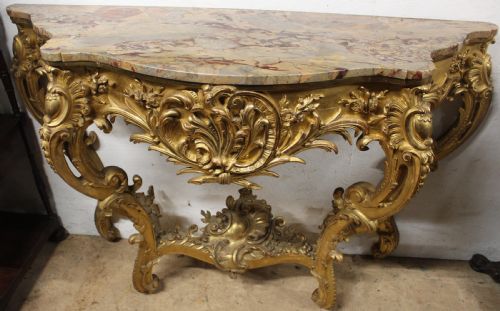
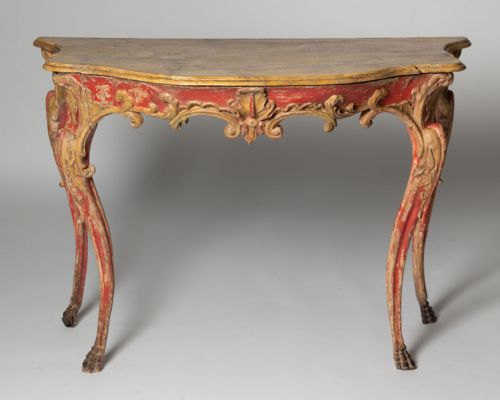
A serpentine gilt console table combines a curving, undulating front edge with a gilded wooden frame and a heavy stone top. When you search for a serpentine gilt console table, you are looking at nineteenth-century revival pieces alongside earlier eighteenth-century examples built for formal domestic interiors.
The selection on this page leans heavily towards French and Italian interpretations, spanning the Rococo, Baroque, and Louis styles. Alongside standard console and pier tables, you will frequently encounter related forms such as centre tables, side tables, and card tables sharing the same decorative vocabulary.
Materials and construction
Makers shaped the distinctive undulating frames from carved wood, applying layers of gesso to build up crisp decorative relief before finishing the surface with gold leaf or paint. Ormolu mounts and walnut marquetry appear on related French tables from the period.
The heavy tops rely almost exclusively on fitted marble, cut to follow the complex serpentine contours of the wooden base. This combination of carved giltwood and marble demanded precise joinery to support the substantial weight of the stone.
Listings span the eighteenth, nineteenth, and early twentieth centuries, featuring Italian and French regional interpretations of Baroque and Rococo design.
Assessing quality
Quality rests in the depth and sharpness of the hand-carved ornament across the wooden frame. Crisp, undercut foliage and scrolls separate superior workmanship from softer, flatter moulding.
The integration of the marble top to the serpentine apron reveals the maker's hand. A top that follows the complex curves precisely without awkward overhangs demonstrates proper bespoke construction.
The Serpentine Gilt Console Table Glossary
- Serpentine
- A furniture front or top curving inward centrally and outward at the ends, resembling the undulating movement of a snake. This profile requires skilled carpentry to match the stone and wood accurately.
- Giltwood
- Timber coated with gold leaf or gold paint over a prepared gesso ground. It provides the brilliant reflective surface characteristic of formal period console tables.
- Gesso
- A plaster-like mixture applied to wood as a smooth base for gilding or painting. It allows carvers to achieve fine detail before the gold leaf is laid.
- Ormolu
- Cast bronze finished with a gold-mercury amalgam, used for decorative mounts on nineteenth-century tables. The process creates a rich, metallic lustre.
- Pier table
- A table designed to stand against a wall, typically beneath a pier glass mirror. They share the same narrow proportions and decorative focus as console tables.
Serpentine Gilt Console Table: Frequently Asked Questions
How do I style a console table?
Place the table against a prominent wall in a hallway, drawing room, or dining space where its decorative silhouette can command attention. Anchor the piece with a large mirror or artwork hung directly above.
Keep surface styling restrained to let the carved giltwood and marble top remain the focus. A pair of candlesticks or a modest ceramic bowl complements the formal proportions without clutter.
Where were these tables originally placed?
These tables were designed for formal reception rooms, grand hallways, and parlours in eighteenth and nineteenth-century homes. They frequently stood between windows against a pier wall beneath a matching mirror.
Because they are narrow, they served as decorative display surfaces rather than functional desks or dining furniture. Their primary role was to project status and reflect light from candles or chandeliers.
How do I tell French and Italian styles apart?
French designs from this category often follow the refined, asymmetrical curves of Louis XV or the neoclassical restraint of Louis XVI. Look for delicate floral motifs and parcel-gilt paintwork.
Italian pieces frequently display a heavier Baroque or robust Rococo influence with more exuberant, dramatic carving. The gilding on Italian examples can feel deeper and more architectural in its application.
Are these tables sturdy enough for daily use?
Console tables were built primarily for display and relied on wall fixings or substantial leg structures to bear the weight of heavy marble tops. They are structurally stable under normal conditions but should not be overloaded.
Most period tables benefit from gentle placement away from high-traffic walkways where they might be bumped. Care should be taken when moving them due to the combined weight of the wooden base and stone top.