


Sepia Engraving
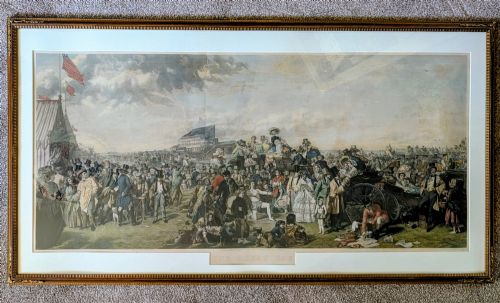
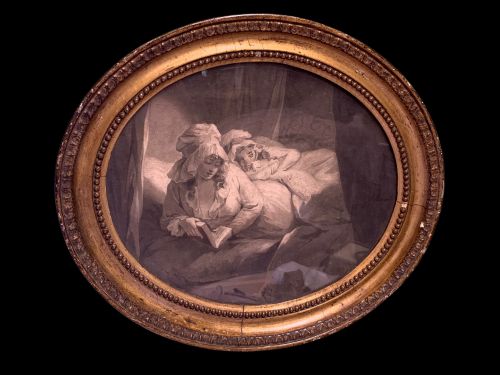
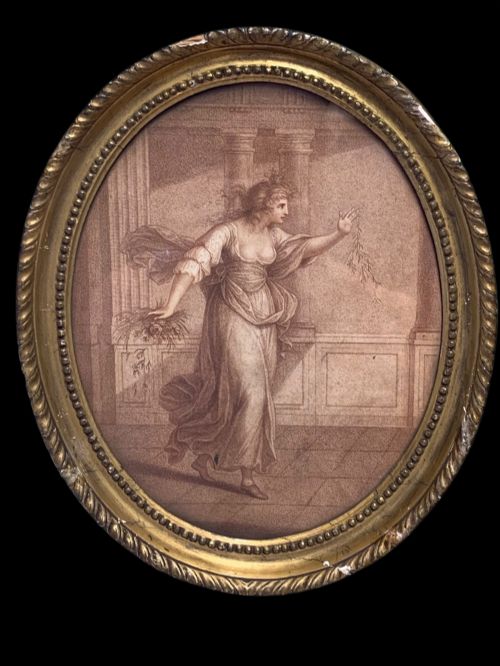
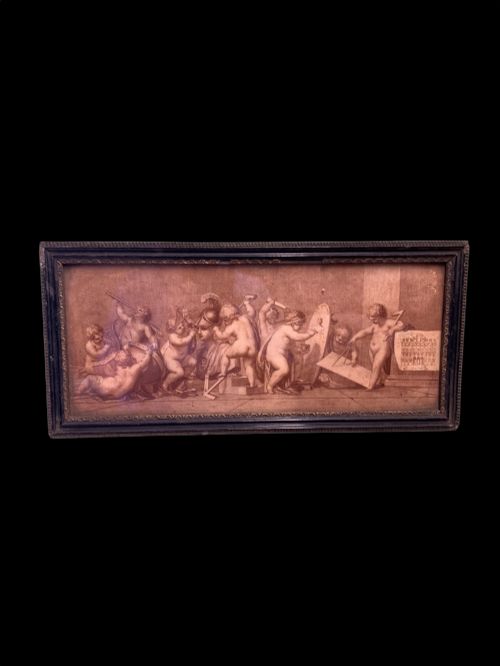
These sepia antique engraving pieces offer intimate windows into past centuries, prized by collectors for their rich monochrome depth and historical subjects.
Sepia Engraving
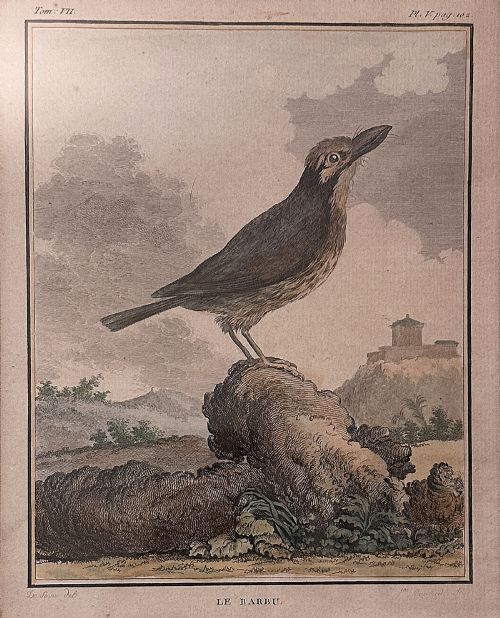
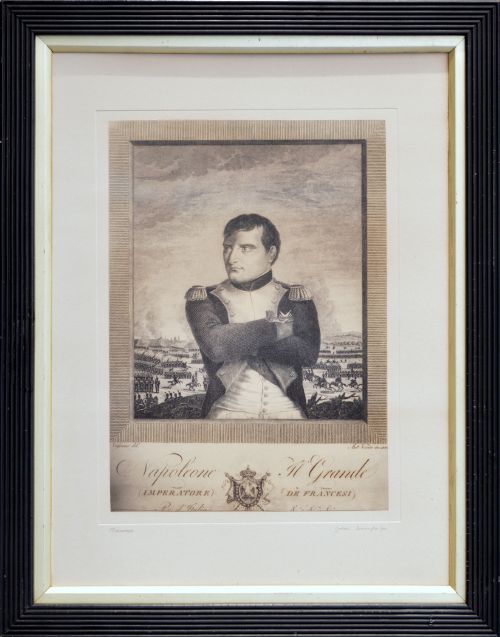
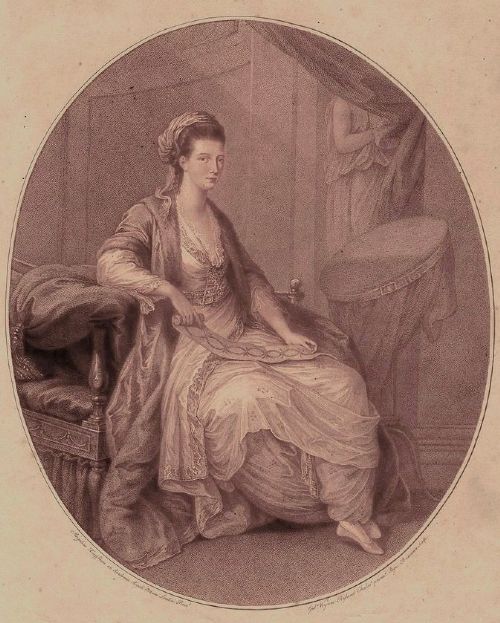
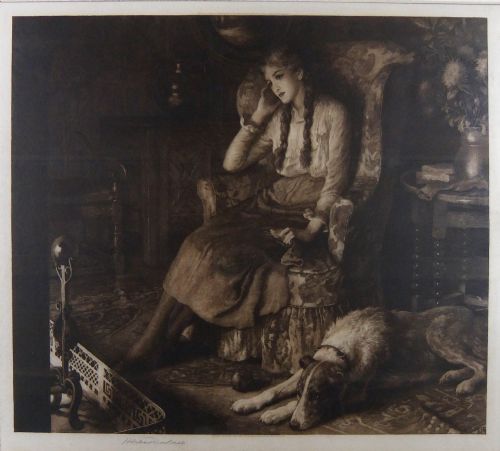
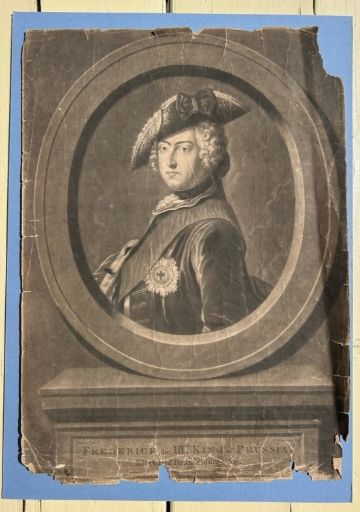
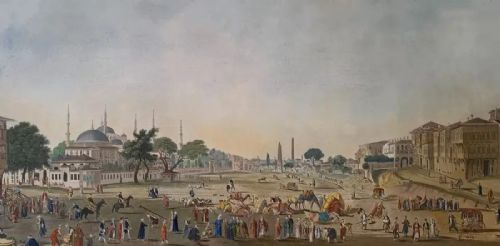
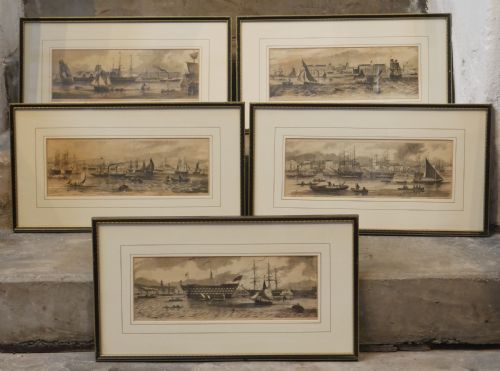
A sepia antique engraving represents a centuries-old tradition of printed imagery, spanning periods from the eighteenth century through the Victorian era and into the early twentieth century. These works capture diverse subjects, including portraits of nobility, naval scenes, sporting prints, and classical mythological figures rendered in warm monochrome tones.
The most common examples on this page date from the Georgian and Victorian periods, often presented in period frames of wood or giltwood. Buyers encounter individual plates and grouped sets depicting subjects ranging from racehorses and domestic animals to architectural views and literary characters.
Many items incorporate mixed techniques alongside traditional lines, utilising watercolour touches or appearing as stipple engravings and mezzotints on aged paper and silk. Their origins reflect British and European publishing houses, printmakers, and artists whose works survived the centuries within protective glass and frames.
Materials and construction
These works rely fundamentally on paper and specialised ink, often worked by hand with watercolour or mounted on silk to enhance the tonal range. Master printmakers incised lines into metal plates before applying ink and transferring the image under heavy pressure.
Framing materials form an integral part of the surviving piece, utilising period wood, giltwood, and gold leaf beneath protective glass. These surrounds safeguard the fragile paper substrate from environmental damage while preserving the historical context of the display.
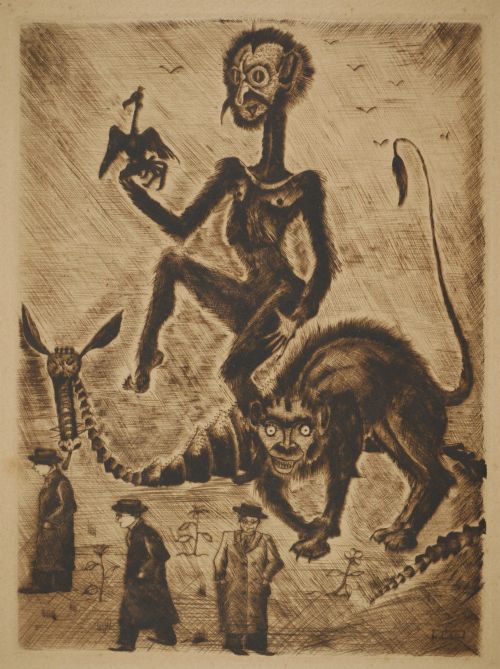
Listings span multiple centuries, uniting eighteenth-century portraiture, nineteenth-century sporting scenes, and early twentieth-century drypoint etchings under the sepia palette.
Factors of distinction
Quality rests upon the crispness of the plate impression and the subtlety of the sepia tonal gradation across the paper. Early impressions taken before the metal plate wore down exhibit sharper lines and finer detail than later strikes.
The survival of original framing, contemporary hand-colouring, and documentation regarding the artist or publisher elevate certain pieces above standard decorative prints. Condition of the paper substrate and absence of heavy foxing also influence the desirability of an example.
Kurt Lorein Victor Peiser·Herbert Dicksee·William Powell Frith·Antoine Pesne·Anton Ignaz Melling·Sir Joshua Reynolds·James Dobie·W. Dendy Sadler·Claude Lorrain·John Boydell·R.P. Phillimore·Edgar J. Maybery·Tom M. Hemy·Andrea Mantegna·Frank Greenwood
The Sepia Engraving Glossary
- Engraving
- A printmaking process where an artist cuts lines directly into a metal plate with a sharp tool called a burin. The resulting incisions hold the ink for transfer under pressure.
- Mezzotint
- A tonal printmaking method where the metal plate is roughened uniformly to produce dark areas, then scraped and burnished to create lighter tones and soft shadows.
- Stipple engraving
- A technique using dots rather than continuous lines to build up the image, creating delicate flesh tones and subtle gradients particularly popular in the eighteenth century.
- Drypoint
- An intaglio printmaking process where the artist draws directly on the metal plate with a needle, raising a rough ridge of metal called a burr that holds ink for a velvety line.
- Giltwood
- Wood that has been coated with a thin layer of gold leaf or powder, commonly used for traditional picture frames housing antique prints.
Sepia Engraving: Frequently Asked Questions
Are these prints original to the stated period?
The listings encompass works pulled from the eighteenth, nineteenth, and early twentieth centuries, reflecting the actual dates of plate printing and publication.
Period frames often accompany the older works, though framing styles can sometimes date from a slightly later Victorian or Edwardian secondary mounting.
What is the difference between an etching and an engraving?
An engraving is made by cutting directly into metal with a tool, whereas an etching uses acid to bite the lines into the plate through a protective ground.
Both techniques produce distinct line qualities that trained eyes can differentiate under magnification by examining the edges of the printed strokes.
Can I hang these artworks in a brightly lit room?
Extended exposure to direct natural light damages antique paper and causes sepia inks to fade permanently, making shaded walls the safest location.
Consider employing UV-filtering conservation glass if you choose to display prints in rooms receiving significant daylight.