


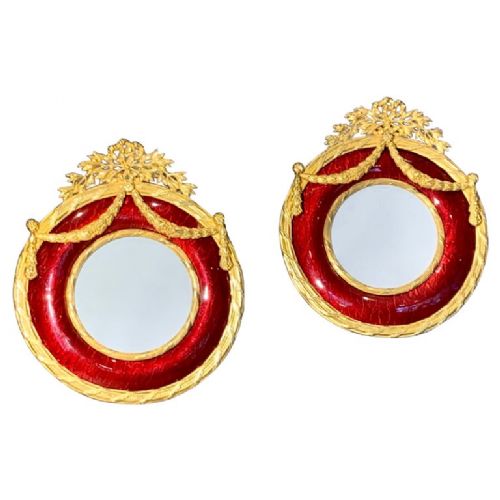
Antique Circular Framed Picture
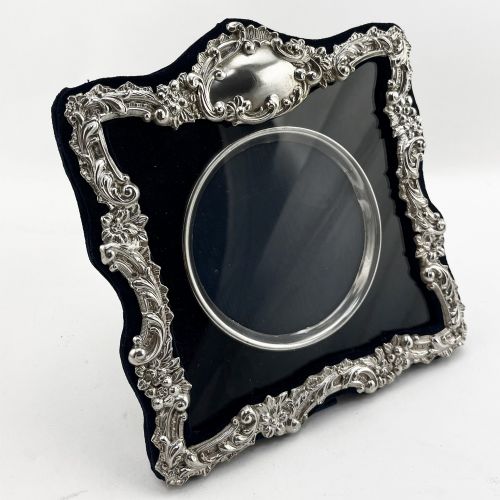
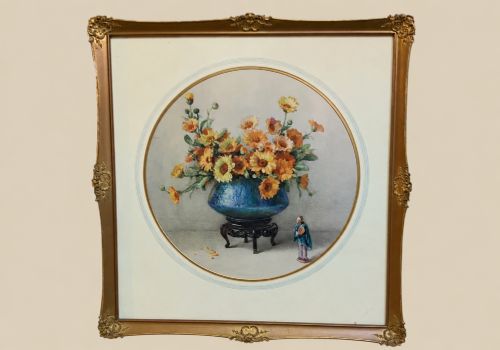
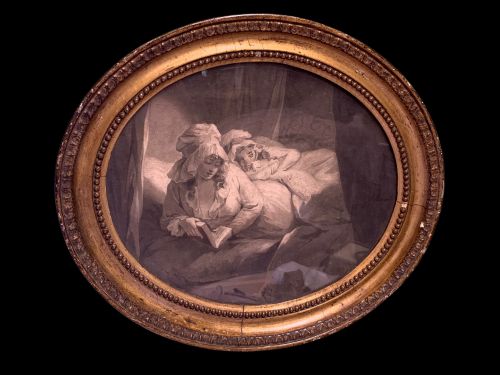
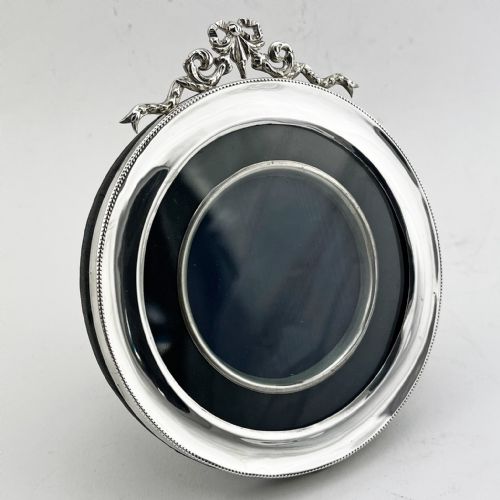
An antique circular framed picture draws the eye instantly through its rare geometry, housing delicate watercolours, needlework and portraiture within silver, giltwood and bronze.
Antique Circular Framed Picture
An antique circular framed picture brings intimate portraiture, delicate watercolours and intricate needlework together within distinctive round borders. These pieces span the eighteenth, nineteenth and twentieth centuries, offering a complete departure from standard rectangular formats on a wall or desk.
You meet Edwardian sterling silver photo frames alongside Regency-era watercolours of girls and coastal scenes, plus Napoleon III gilt bronze and enamel housings. The selection ranges from small desk accessories to substantial wall art mounted behind glass.
The format embraces diverse subjects, from classical prints of the Madonna to botanical needlework pairs and archival engravings. Each object relies on its curved boundary to concentrate attention entirely upon the artwork held within.
How they were made
Makers shaped heavy metals, carved woods and moulded gilt bronze to follow strict circular geometries. Sterling silver frames carry Birmingham and London hallmarks, while giltwood and brass structures support fragile paper, silk and velvet elements.
Artisans applied watercolours, engraved plates and stitched needlework specifically to fit the curved perimeter of each mount. Glass protects these delicate media, held securely by backing boards and hinged easel stands or wall loops.
Some Victorian needlework pictures are so cheerful they make even a stern hallway smile.
What varies in quality
Quality rests upon the crispness of the metalwork chasing, the depth of the gilding and the clarity of the underlying painting or engraving. Superior examples display crisp hallmarks, unblemished glass and robust structural joins that withstand generations of handling.
The refinement of the internal artwork dictates the overall standing of the piece, distinguishing mass-produced prints from finely executed hand-painted watercolours and detailed period needlework. Balance between the weight of the frame and the sensitivity of the imagery determines visual success.
Henry Matthews·Lady Francis Herbert
The Antique Circular Framed Picture Glossary
- Giltwood
- Wood carved and covered with a thin layer of gold leaf. This material provides a bright, reflective surface around early paintings.
- Sterling silver
- An alloy of silver containing ninety-two point five percent pure silver. Assay offices in cities like Birmingham and London stamped these items with official date letters.
- Needlework
- Decorative sewing executed on canvas or fabric using yarn or thread. These stitched compositions frequently appear paired in round frames.
- Miniature portrait
- A small, highly detailed painting on paper, ivory or vellum. These personal likenesses often occupy intimate circular desk frames.
- Napoleon III style
- A French design movement reviving historic decorative motifs during the mid-nineteenth century. Gilt bronze and enamel commonly feature in these ornate housings.
Antique Circular Framed Picture: Frequently Asked Questions
How do I hang a round frame?
Most wall-hanging circular frames utilise a single secure top ring or a reinforced cord attached to the reverse. Ensure the fixing matches the weight of the frame, especially when heavy glass and cast bronze are involved.
Take care to level the piece carefully, as round frames reveal any tilt far more readily than standard rectangular formats. Position them at eye level where their geometric contrast can work effectively against surrounding walls.
Can I polish antique silver frames?
Silver frames acquire a dark patination over decades, which many collectors prefer to leave undisturbed. If you choose to polish them, use a very soft cloth and avoid abrasive pastes that wear away crisp hallmarks and delicate engraving.
Keep polish away from the glass edges and any fabric backing materials like velvet or silk. Gentle care preserves the stamped city marks and maker's initials around the rim.
How are watercolours protected in round frames?
Watercolours rely on a sealed barrier between the paper and the glass to prevent moisture damage and mould growth. The curved mount secures the painting without gluing it directly to the backing board.
Keep these pieces away from direct sunlight to prevent the pigments and paper from fading permanently. Stable indoor temperatures protect both the delicate paint and the wooden or metallic structure of the frame.
What periods do these pieces span?
The available selection reaches from eighteenth-century engravings through Regency and Victorian works to Edwardian silver accessories. Each era brought distinct metals, mount styles and artistic subjects to the circular format.
Identifying the period relies on examining assay marks, the style of the framing materials and the technique used for the enclosed artwork. This mix allows you to blend different decades within a single display.