


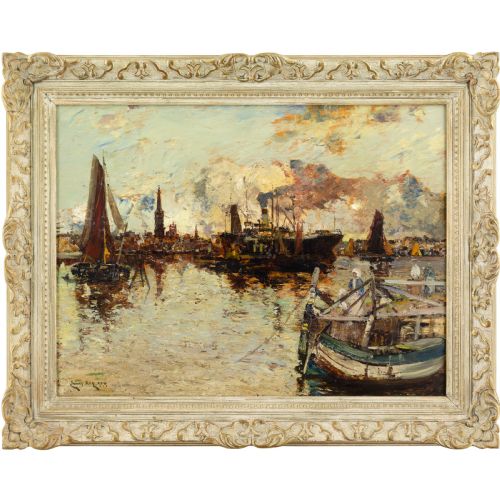

Seascape Canvas Art
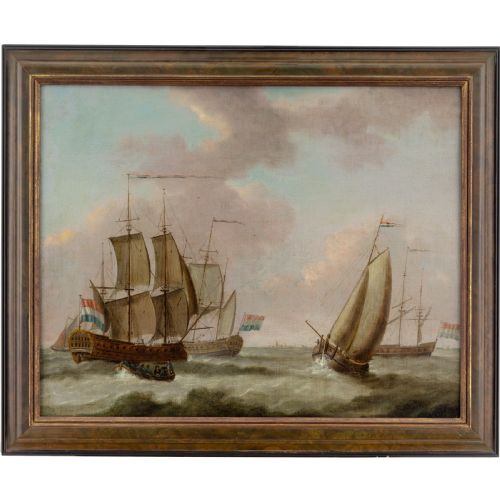
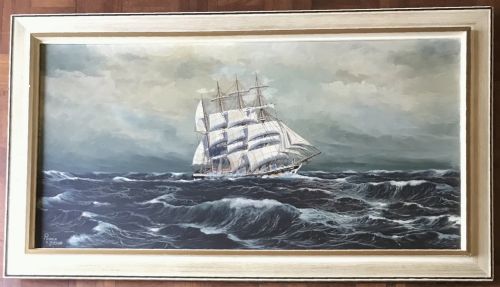
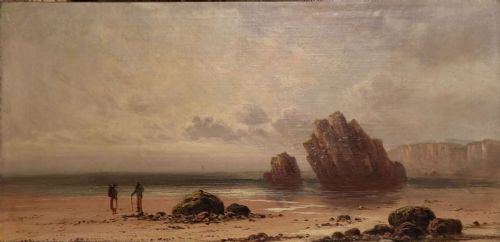
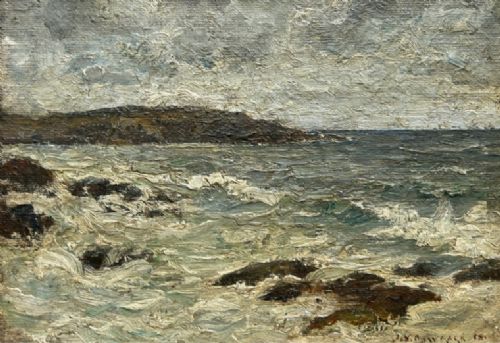
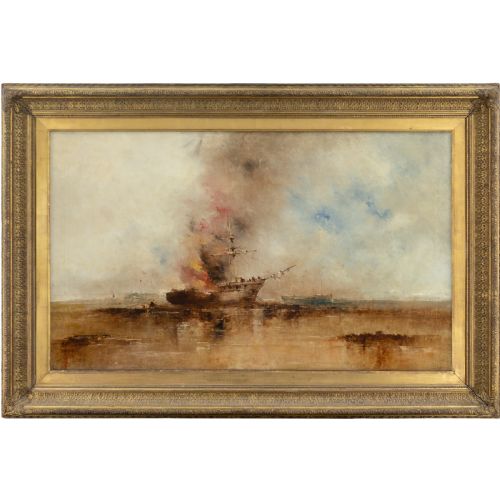
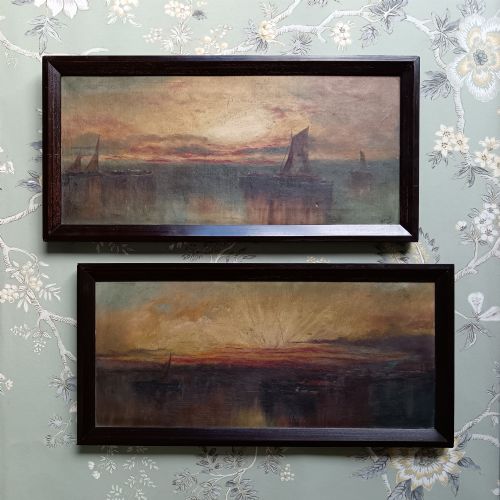
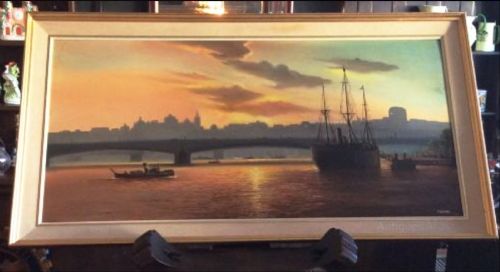
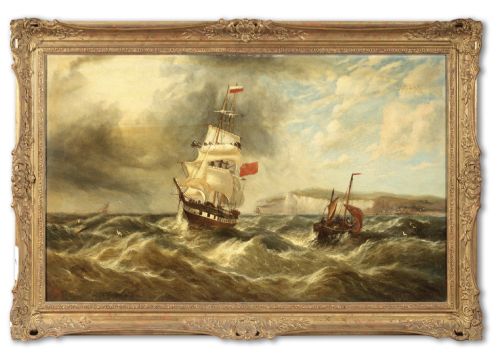
These pieces of seascape canvas art capture maritime life, rocky coastal views and turbulent waters through painted pigment.
Seascape Canvas Art
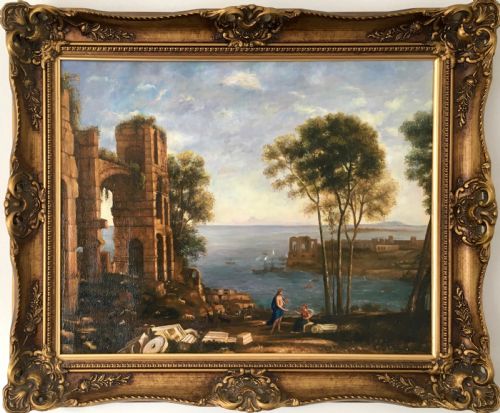
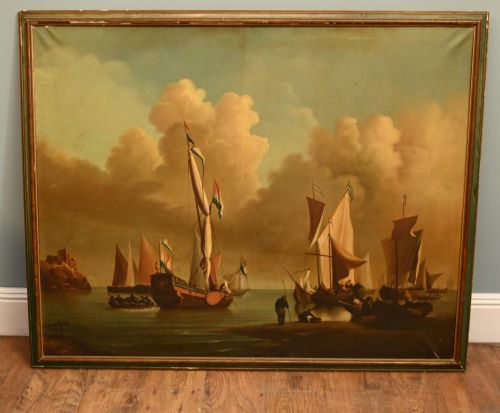
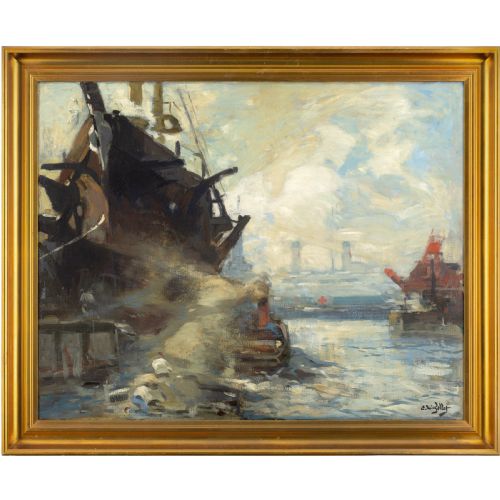
When searching for seascape canvas art, collectors encounter oil paintings depicting coastal views, shipping scenes, and tidal harbours. The selection spans the nineteenth century through to the mid-twentieth century, capturing varied maritime moods from peaceful rivers to heavy gales.
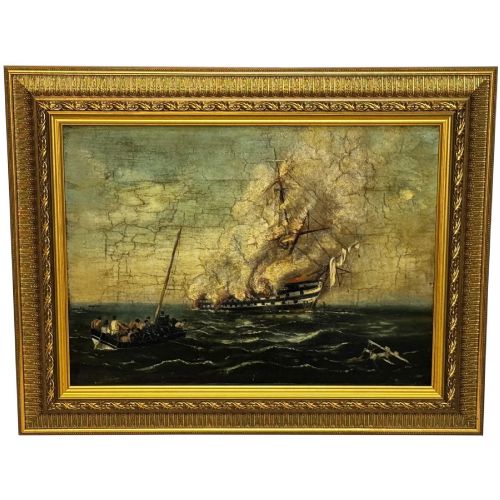
Victorian and Edwardian marine works sit alongside later mid-century interpretations, showing ships in distress, calm coastal shores, and Venetian lagoons. These painted canvases bring historic maritime atmosphere directly into contemporary interiors.
Works on this page include framed oil paintings on canvas and board, ranging from intimate oval sea views to large panoramic expanses of water and sky.
How they were made
Artists built these scenes using oil paint applied to woven canvas supports or wooden boards, often building texture with thick impasto strokes. Many of these historic canvases are housed within their original carved or moulded giltwood frames.
Makers layered pigments to capture changing light on water, utilising the natural tooth of the canvas to hold heavy brushwork and delicate glazes alike.
Listings feature works spanning the nineteenth century, the Edwardian era, and mid-century modern periods, utilising oil on canvas and board.
What varies in quality
Quality rests in the handling of light and atmosphere across water and sky, where confident brushwork separates masterly depictions from stiffer academic exercises. The depth of maritime knowledge shown in the rigging of ships and the movement of heavy seas also marks out superior compositions.
Condition of the painted surface, stability of the underlying canvas, and the harmony between the artwork and its period gilt frame dictate the standing of individual pieces.
Kenneth Cozens·Clifford Hanney·Eugène-Louis Gillot·William McAlpine·James Kay·John Rose Miles·Bonaventura Peeters·Clive Browne·Peter Brannan·Francis Moltino·Bernard Benedict Hemy·Thomas Creswick·Willem Bos·Charles Euphraisie Kuasseg·John Wilson Carmichael·Lai Fong·Joseph Farquharson·Erich Mercker·Dubovsky·Nicholas Condy·Thomas Hodgson Liddell·Leopold Pascal
The Seascape Canvas Art Glossary
- Impasto
- Paint applied thickly to a canvas, standing out from the surface so that the marks of the brush or palette knife remain visible.
- Giltwood
- Timber that has been coated with a thin layer of gold leaf or gilt powder, commonly found on period picture frames.
- Maritime art
- Painting that depicts water transport, coastal views, naval engagements, or shipping scenes.
- Post-Impressionism
- An art style developing from impressionism that focuses on symbolic motifs and expressive use of paint.
Seascape Canvas Art: Frequently Asked Questions
How do I date a seascape canvas?
Dating relies on stylistic clues, framing techniques, and signatures linked to known active periods of artists. Canvas preparation and stretcher construction also offer chronological indicators.
Examining the type of pigment and canvas weave helps narrow down the decade of creation when signatures are indistinct.
Where should I hang a marine oil painting?
These paintings suit rooms with stable humidity away from direct sunlight to protect the oil pigments and gilt frames. Placing them at eye level in well-lit spaces allows the detail of the water and sky to show clearly.
Avoid positioning them above active heat sources that might dry out the aged canvas or crack the paint layer.
What is the difference between marine and maritime art?
Marine art specifically focuses on the sea itself, coastal landscapes, and ships upon the water. Maritime art encompasses a broader scope, including naval history, port architecture, and seafaring life.
Both categories overlap frequently within nineteenth-century painting traditions.