



Scumbled Pine Dresser
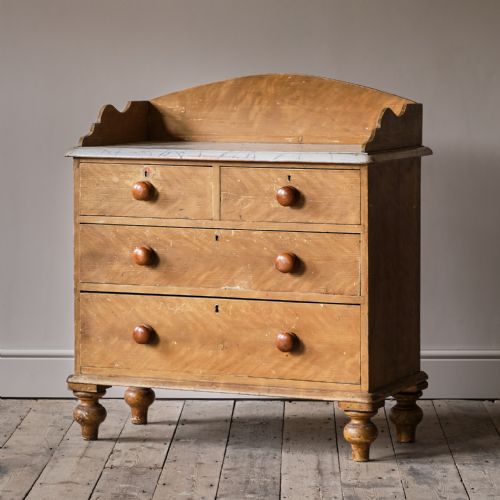
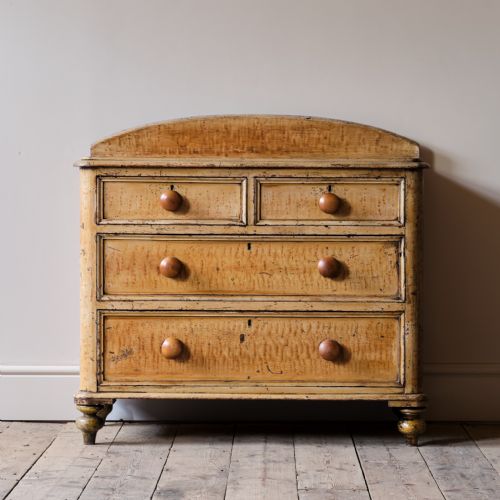
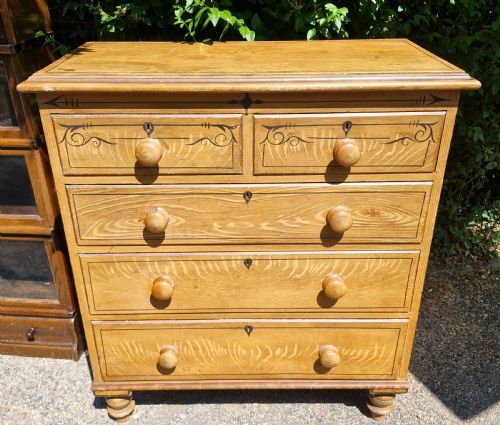
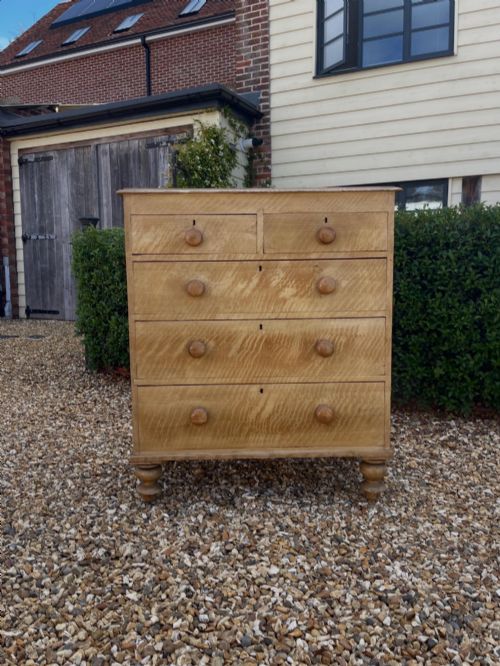
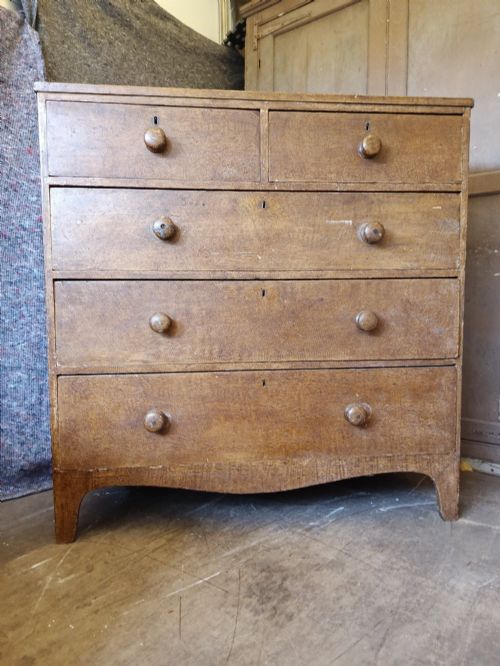
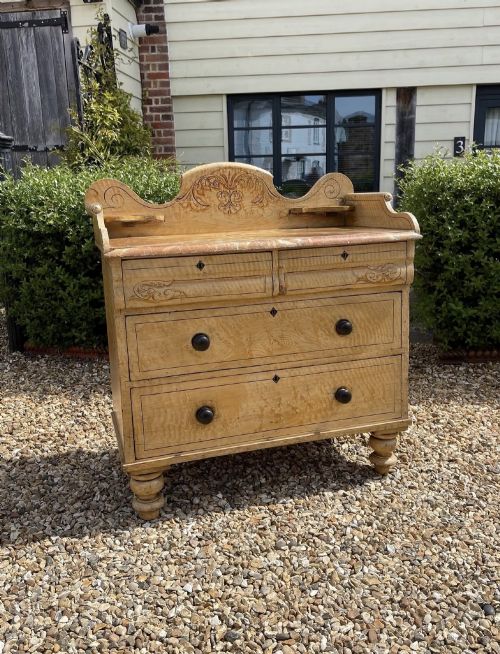
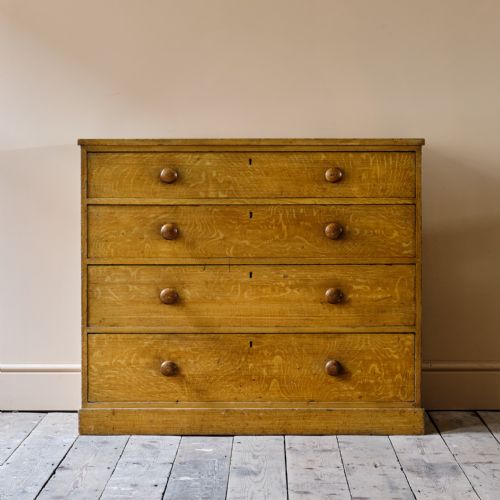
A scumbled pine dresser brings deep texture and rich grain imitation into a room through layered historical paintwork.

Scumbled Pine Dresser
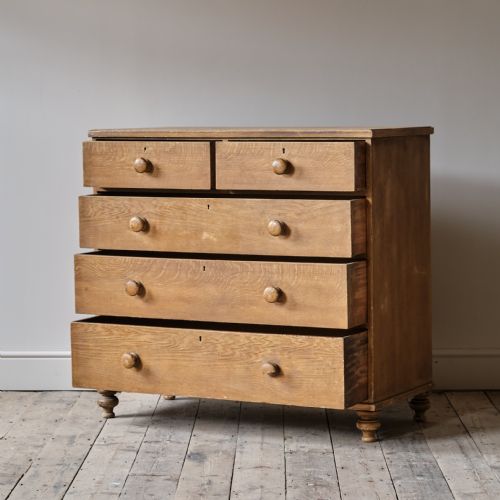
When you search for a scumbled pine dresser, you encounter sturdy nineteenth century country furniture built from softwood and finished to resemble richer timbers. The selection spans utilitarian kitchen dressers, dresser bases, housekeeper cupboards and practical chests of drawers bearing decorative painted surfaces.
These pieces originate from various regions including Scotland and the West Country, displaying the robust forms typical of Victorian country workshops. Regional variations appear in the proportions of the drawer configurations and the character of the applied surface decoration.
Kitchen dressers and dresser bases offer open top shelving or enclosed storage beneath, whilst related drawer chests provide ample capacity for domestic storage. Each surviving example demonstrates the functional needs of nineteenth century households combined with decorative ambition.
Materials and Technique
Makers constructed these pieces using pine timber, selected for its accessibility and workability in regional workshops. Craftsmen then applied specialised paint finishes, utilising oil-based glazes manipulated with combs, brushes or rags to create faux wood grains known as scumble.
Additional hardware such as brass, iron and ceramic handles or glass panels were incorporated into doors and drawers depending on the specific form. This combination of softwood framing and decorative paintwork allowed provincial makers to produce visually striking furniture at a practical scale.
Available pieces span the nineteenth century, including specific items from the Regency and Victorian periods alongside regional examples from Scotland and the West Country.
Judging Quality and Character
Quality rests primarily in the preservation and artistry of the original scumbled paint finish. Surfaces that retain their deep translucent glaze layers and textural brushwork stand apart from simpler painted or later refinished examples.
Construction methods and regional proportions also dictate the distinction between standard utility items and finer vernacular pieces. Well-balanced proportions, intact original hardware and honest surface wear define the upper tier of surviving examples.
The Scumbled Pine Dresser Glossary
- Scumble
- A translucent or semi-opaque layer of oil paint manipulated over a lighter base colour to simulate the grain of expensive hardwoods like oak or walnut. This decorative technique defined nineteenth century country furniture decoration.
- Dresser Base
- The lower, cupboard-and-drawer section of a kitchen dresser without the upper plate rack. These sturdy items served as independent sideboards in provincial homes.
- Housekeeper Cupboard
- A large, tall storage cabinet designed for domestic linen and dry stores. They represent the heavy-duty utility of nineteenth century domestic spaces.
- Vernacular
- Everyday furniture made by regional craftsmen for local use rather than high-style urban workshops. These pieces reflect traditional local building methods and materials.
- Pine
- A common softwood used widely for country furniture throughout the nineteenth century. Its pale grain provided an ideal blank canvas for decorative paint effects.
Scumbled Pine Dresser: Frequently Asked Questions
What is a scumbled finish?
A scumbled finish involves applying a tinted translucent glaze over a pale painted base coat. Craftsmen manipulate this wet layer using combs or rags to imitate the complex grain patterns of exotic hardwoods.
This decorative method allowed nineteenth century makers to elevate accessible pine furniture into visually rich domestic pieces.
How do I clean scumbled pine?
Cleaning requires only a soft, dry cloth to remove dust from the painted surface. Avoid harsh chemical cleaners, modern solvents or excessive water which can damage the historic glaze layers.
Preserving the fragile nineteenth century paint surface relies entirely on gentle, non-abrasive maintenance.
Where were these pieces made?
These items originated across nineteenth century British regional workshops, with specific examples traceable to Scotland and the West Country. Local cabinetmakers and painters built them for domestic farmhouses, kitchens and country houses.
Regional preferences influenced everything from the drawer arrangement to the coarseness of the grain paintwork.
How do I date a painted dresser?
Dating relies on examining construction joints, timber preparation marks, hardware types and the chemical composition of the paint layers. Nineteenth century examples typically show hand-planed pine boards and period-appropriate fixings.
The specific style of the scumble glaze also offers strong clues to the decade of manufacture.