






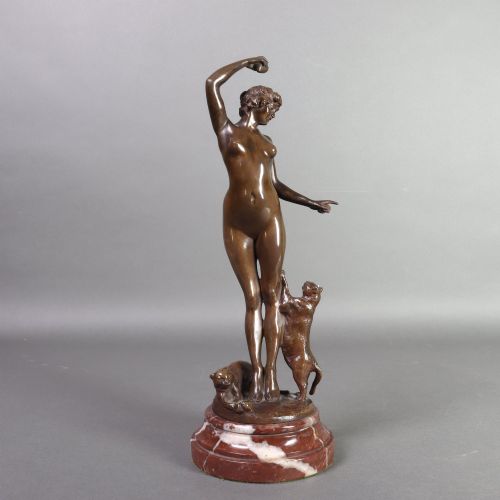
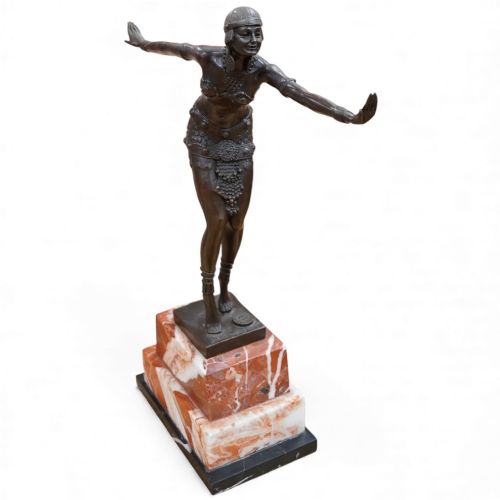

Sculpture on Marble Base
A sculpture on marble base brings together cast metal and stone plinths across periods from the nineteenth century to Art Deco.
Sculpture on Marble Base
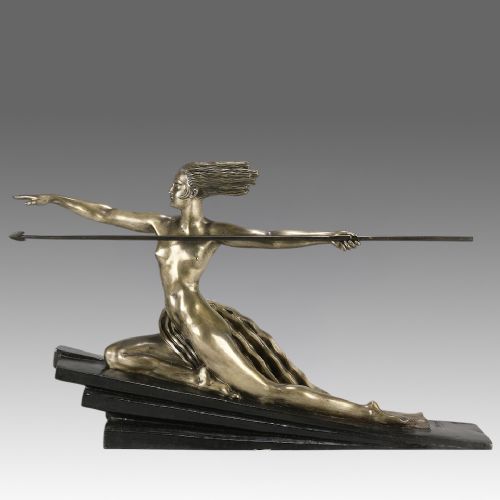
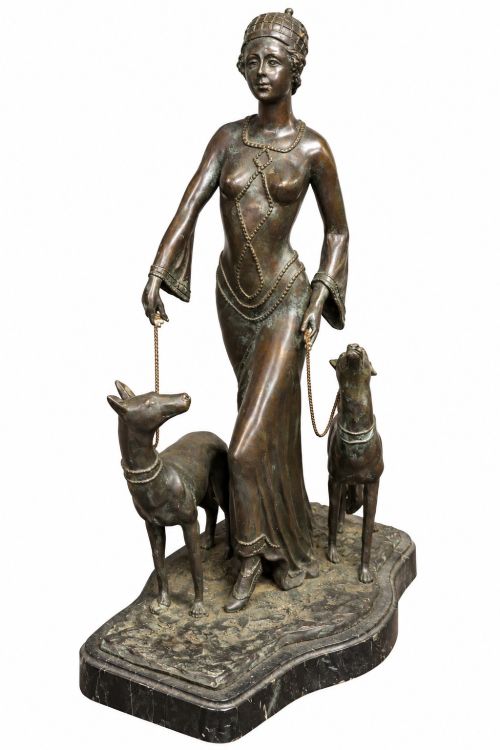
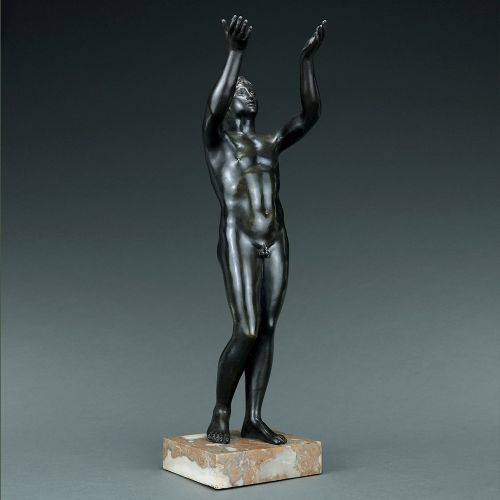
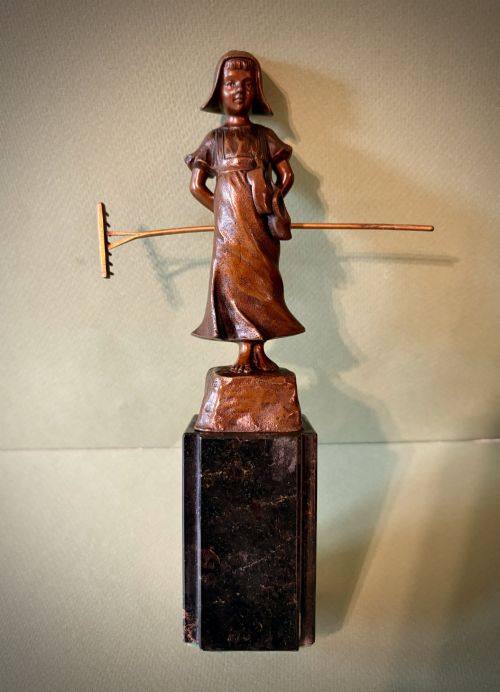
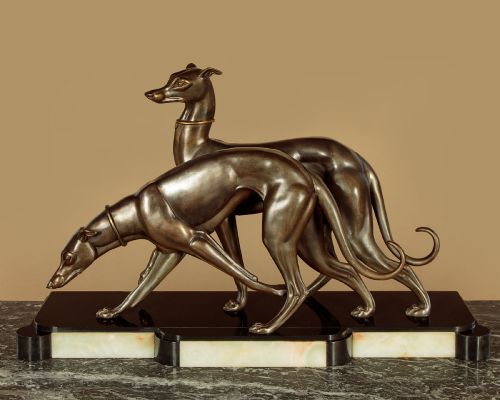
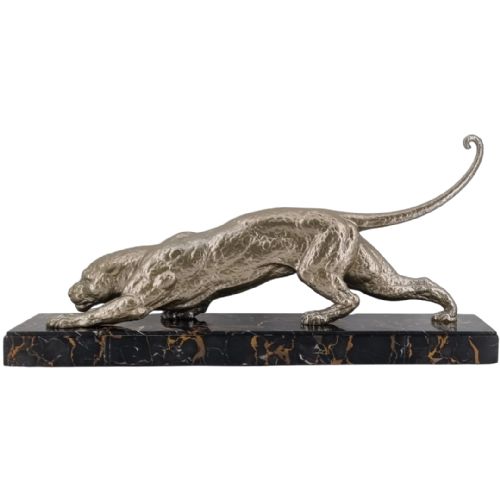
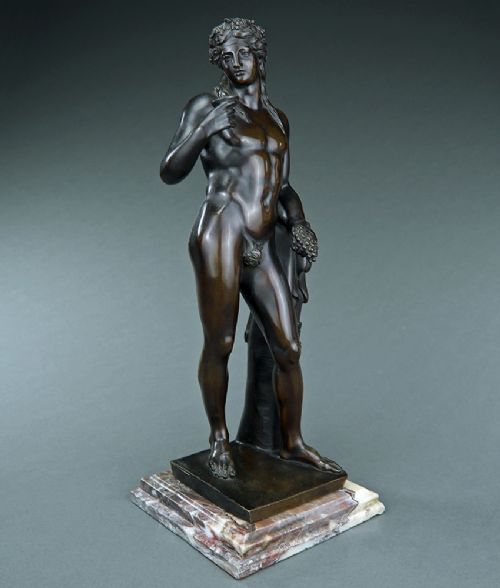
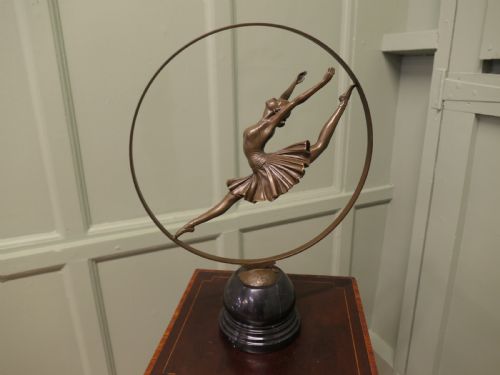
A sculpture on marble base combines a metal figure or object with a solid stone plinth, uniting weight with detailed casting. These works range from small Grand Tour paperweights and classical mythological figures to striking Art Deco dancers, animals, and figural lamps.
The materials paired with the stone are diverse, running from traditional cast bronze and gilt bronze to patinated metal, brass, and spelter. Bases shift in geology and colour, moving from dark fossil marble to veined onyx and simple rectangular blocks.
The form adapts to many household objects beyond standalone figures, appearing as bookends, mantel clocks, and table lamps. Subjects stretch from ancient deities and historical busts to hunting dogs, panthers, and avian studies.
How they were made
Makers utilised the lost-wax casting method or sand casting to shape metal figures in bronze, brass, or spelter, achieving fine details in hair, drapery, and feathers. Cold painting or patination was then applied to the metal surface to create depth of tone.
The metal sculpture was secured to the marble base using threaded pins, bolts, or adhesives fitted into the stone plinth. Stonemasons cut, turned, and polished the marble or onyx bases to complement the proportions and weight of the metal above.
Sculpture on Marble Base Retail Price Guide 2026
Typical asking prices for sculpture on marble base among the pieces listed under this phrase on Sellingantiques today, from the lower quarter to the upper quarter. They describe what is for sale here now, not the wider market.
Listings span periods from 1800 through the nineteenth century and into the 1940s, featuring bronze, marble, onyx, glass, and spelter.
What varies in quality
The choice of material alters the character of the piece, as genuine bronze and gilt bronze retain finer surface textures over decades compared to patinated spelter. The harmony of proportions between the subject and the supporting plinth dictates the overall visual balance.
Georges Gori·Gustave Dussart·Louis Garnier·D. H. Chiparus·Jean de Roncourt·Maurice Giraud-Rivière·Bruno Zach·Pierre Collinet·Carl Kauba·Barbedienne·R Varnier·Claude Michel Clodian·August Moreau·Hans Müller·Emile Carlier
The Sculpture on Marble Base Glossary
- Patinated metal
- Metal treated with chemicals to produce a specific surface colour or aged finish. This layer protects the underlying material while enhancing visual depth.
- Spelter
- A zinc alloy frequently utilised as an economical alternative to bronze in figural works. It is softer and takes surface plating or paint readily.
- Grand tour
- A cultural journey undertaken by wealthy Europeans in the eighteenth and nineteenth centuries. Travellers collected small bronzes and marble specimens as mementos.
- Animalier
- The realistic depiction of animals in sculpture, popular during the nineteenth century. Artists focused on capturing the anatomy and movement of beasts.
- Lost-wax casting
- A historic method where a molten metal is poured into a mould created by replacing a wax model with a refractory material. This technique allows for intricate undercuts and fine details.
Sculpture on Marble Base: Frequently Asked Questions
What metals are used in these sculptures?
Cast bronze, gilt bronze, brass, and spelter appear frequently across the listings. Each metal offers a different weight and surface texture.
Bronze provides durability and fine detail, while spelter offers a lighter, softer alternative often paired with painted finishes.
How do I care for marble and bronze?
Dust the bronze regularly with a soft, dry cloth to prevent grime accumulation. Avoid harsh chemical cleaners that strip patination.
Porter marble bases require simple wiping with a damp cloth followed by immediate drying. Keep stone away from acidic liquids.
Are all the bases made of marble?
Most plinths consist of marble, but onyx and fossil stone also appear frequently. The variety of stone depends on the period and the workshop's origin.
Art Deco pieces often utilise banded onyx or stepped multi-coloured marble, whereas nineteenth-century works favour plain black or fossiliferous varieties.
How can I tell an Art Deco piece apart?
Art Deco figures feature stylised geometries, aerodynamic lines, and motifs like dancers, greyhounds, and panthers. The bases often employ stepped marble or contrasting onyx.
Older nineteenth-century pieces lean towards classical mythology, naturalistic animals, and ornate cast bases.