
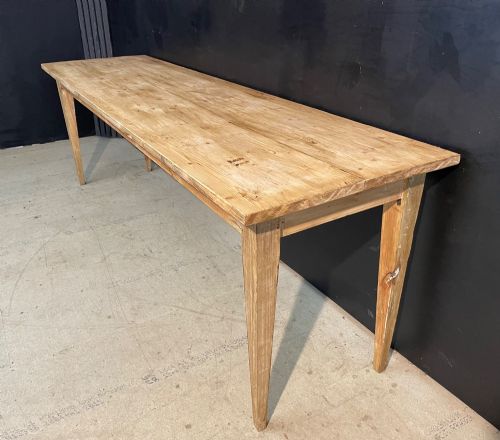
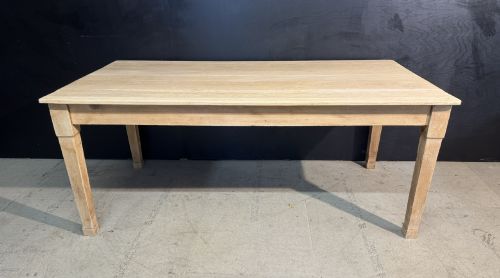
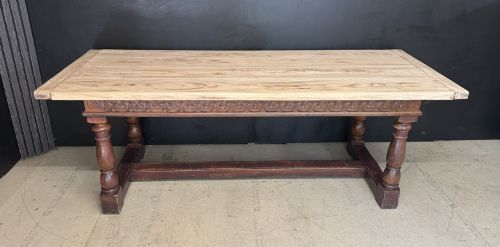
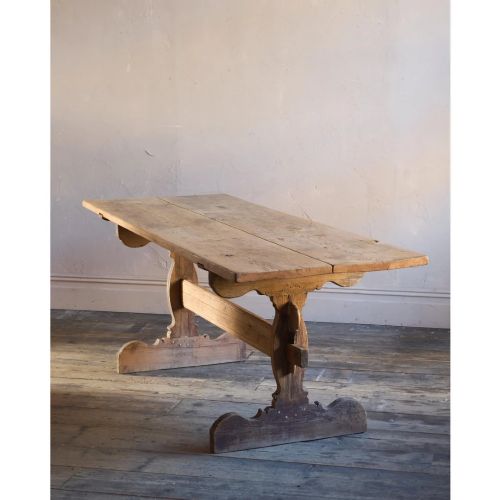
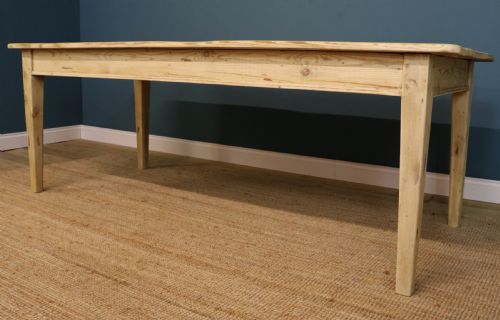


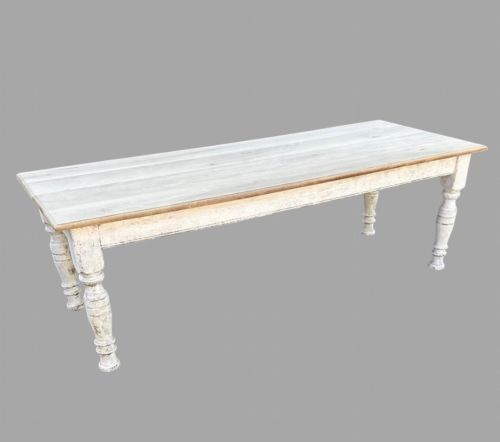


Scrubbed Wood Dining Table
These scrubbed wood dining table pieces bring honest utility and timeworn grain into a room, offering a functional centrepiece built for daily gatherings.
Scrubbed Wood Dining Table
A scrubbed wood dining table brings a practical surface rooted in domestic history into a modern home. These pieces serve primarily as dining tables, kitchen tables, preparation tables, and trestle tables.
The selection ranges widely across origins and eras, covering English, French, and Swedish country styles alongside Victorian pieces. Buyers frequently encounter pine, oak, and elm constructions dating from the eighteenth century through to the twentieth century.
Many examples show regional character, from X-frame trestles to circular tops and pieces finished with traditional Falu paint. The common thread is a pale, cleaned surface that highlights the natural grain of the timber.
Factors of quality
The distinction between ordinary and exceptional pieces lies in the integrity of the timber and the depth of the patina. Untouched historical surfaces display a softer texture achieved through decades of washing rather than harsh modern stripping.
Proportion and structural honesty dictate the character of each piece. Tables retaining original base paint, integrated drawers, or sound trestle joints demonstrate superior craftsmanship.
Regional variations span Swedish, French, and English country styles, including trestle and circular forms.
The Scrubbed Wood Dining Table Glossary
- Scrub top
- A table surface that has been repeatedly washed and scrubbed with water and sand or stone, removing soft fibres to leave a pale, raised grain. This process creates the characteristic touch and appearance sought by collectors.
- Trestle table
- A table consisting of two or more supports connected by a horizontal beam, holding a loose or fixed top. This design allows maximum legroom and dates back to medieval construction.
- Falu paint
- A traditional Swedish red or dark paint made from copper mine waste, linseed oil, and flour. It offers strong weather resistance and appears on regional farmhouse furniture.
- Bleached pine
- Timber treated to lighten its natural tone, either through historical scrubbing or modern lightening processes. It yields a pale, neutral surface popular in Scandinavian and French country interiors.
- Preparation table
- A heavy utilitarian table used historically for food tasks before the invention of fitted kitchens. These often feature robust timbers and functional drawers for utensils.
Scrubbed Wood Dining Table: Frequently Asked Questions
How do I clean a scrubbed wood dining table?
Maintenance requires only a damp cloth and mild soap to preserve the dry, pale finish of the timber. Avoid excessive water or chemical varnishes that seal the grain and alter the historic texture.
Regular use actually improves the patina over time, as natural oils from hands and dining add depth to the surface without requiring heavy intervention.
Are these tables suitable for daily family use?
These pieces were originally built for heavy domestic tasks, making them remarkably robust for modern dining and kitchen activities. Their historic surfaces already bear the marks of daily life, so normal use adds to their character rather than damaging a pristine finish.
Using heat mats and coasters protects the timber from extreme marks while allowing the wood to breathe naturally in living environments.
How can I tell the age of a wooden table?
Dating relies on examining tool marks, timber selection, joinery methods, and the natural wear accumulated across the structure. Eighteenth and nineteenth-century examples often display hand-sawn boards and pegged joints rather than modern machine-cut screws.
The presence of historical scrubbing and traditional paint layers also provides strong clues regarding the period of origin and regional workshop practices.
What is the difference between a kitchen table and a dining table?
Kitchen tables were traditionally built for food preparation and messy domestic work, frequently featuring thick scrubbed tops, utility drawers, and robust softwood or hardwood frames. Dining tables generally focused on hospitality and social gatherings, often showing finer proportions or more formal styling.
In practice, many surviving examples bridge both categories, serving equally well for food prep and family meals.