


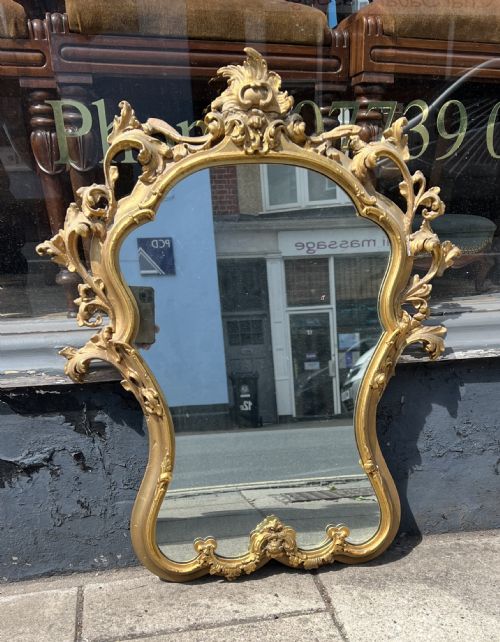

Scrolled Crest Wall Mirror
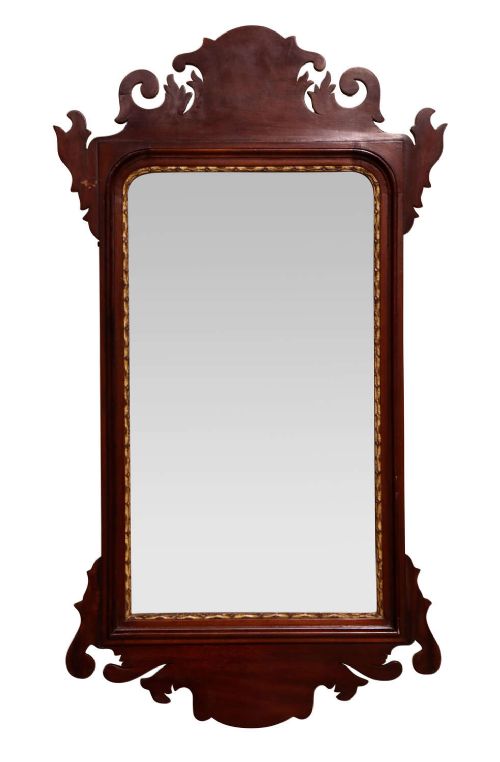
A scrolled crest wall mirror brings architectural proportion and reflective depth to a room, drawing the eye with its carved top outline.
Scrolled Crest Wall Mirror
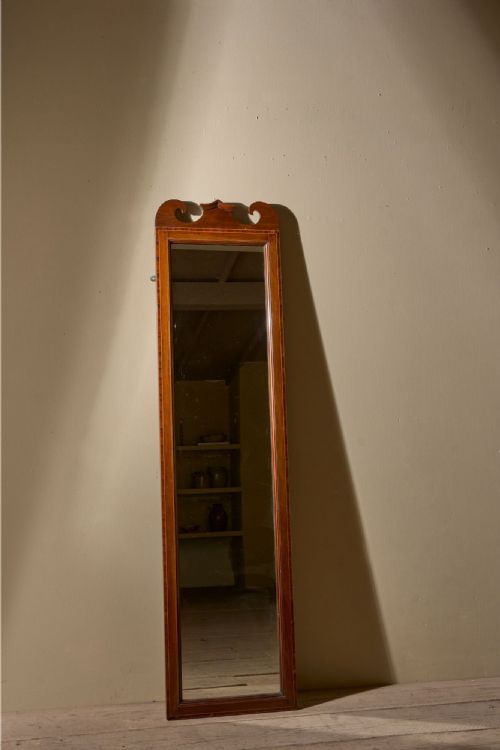
A scrolled crest wall mirror is defined by its ornate, curved wooden top frame, which often takes the form of fretwork or symmetrical scrolls. When searching for a scrolled crest wall mirror, buyers encounter various historical iterations spanning from the Georgian period through to later Victorian revivals.
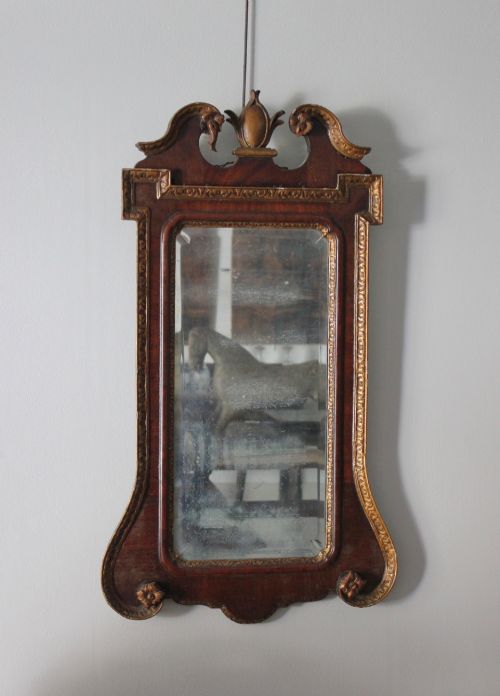
The pieces available display characteristic forms including tall pier mirrors, overmantels, and smaller fret-cut wall hangings. Walnut and mahogany woods dominate the selection, frequently accompanied by period giltwood highlights and painted finishes.
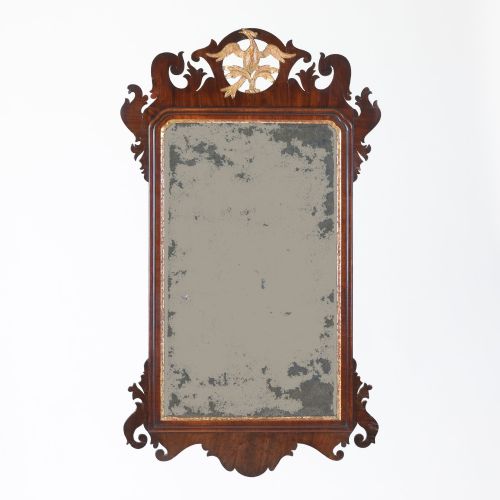
Examples range from authentic 18th-century pieces featuring traditional motifs like the Ho-ho bird to later revival styles produced around the turn of the 20th century. Buyers will frequently meet mahogany and walnut fretwork designs that reflect the enduring influence of Chippendale patterns.
Materials and construction methods
Frames are constructed primarily from native and imported hardwoods such as mahogany and walnut, occasionally shaped from pine or built up with gesso. Cabinetmakers utilised fine veneers on backing boards or worked with solid timbers to achieve intricate fret-cut silhouettes.
Giltwood and gilt finishes were applied to carved ornaments and mouldings, while specialist glass plates, including Vauxhall mirror plates with bevelled edges, were fitted into the timber rabbets. Joinery typically relied on traditional pegged or glued joints appropriate to the period of manufacture.
Several mirrors proudly feature carved wooden birds peering down from their crests, watching over the room below for centuries.
Factors determining quality
The crispness of the hand-carved fretwork and the depth of the scrolling set finer examples apart from simpler production. Superior pieces exhibit well-proportioned frames where the timber grain and veneer selection enhance the overall visual balance.
The retention of original mirror glass and untouched surface patination elevates a piece significantly. High-quality construction is further evidenced by the precision of the joinery and the harmonious integration of decorative elements like gilt gesso work.
The Scrolled Crest Wall Mirror Glossary
- Fretwork
- Openwork ornamentation cut from a thin board of wood using a scroll saw or piercing saw. This technique creates intricate geometric or floral patterns along the frame edges.
- Pier mirror
- A tall wall mirror designed specifically to hang on the narrow section of wall between two windows. These vertical glasses often incorporate elaborate crests to draw the eye upward.
- Gesso
- A plaster-like mixture applied to wood frames to provide a smooth surface for gilding or painting. Carved details in gesso allow for sharper relief than wood alone.
- Vauxhall plate
- An early type of mirror glass characterised by a bevelled edge, originally produced at the famous London glasshouse. These plates often show subtle historical imperfections in the glass medium.
- Ho-ho bird
- A stylized Chinese phoenix motif frequently incorporated into the carved wooden crests of mid-18th-century mirrors. This decorative bird became a staple of the Chippendale style vocabulary.
Scrolled Crest Wall Mirror: Frequently Asked Questions
Where should I hang a scrolled crest wall mirror?
These mirrors suit spaces where their vertical proportions and decorative tops can be fully appreciated, such as above a mantelpiece or a console table.
Ensure the wall structure can support the weight of a solid timber and glass assembly, particularly for larger Georgian or revival examples.
How do I identify a Georgian original from a later revival?
Examine the timber behind the frame, the construction methods of the joints, and the nature of the wood ageing and patination.
Revival pieces from the Victorian era or the early 20th century often display machine-sawn backing or different secondary woods compared to 18th-century workshops.
What maintenance do antique mirror plates require?
Original mirror glass should be dusted gently with a soft cloth and kept away from excessive moisture to prevent silver degradation.
Avoid chemical cleaning products that might damage the surrounding wooden frame or seep behind the old glass plate.
Why do some mirrors feature gilded birds or scrolls?
Gilded ornaments and carved birds were popular decorative devices used to lighten heavy wooden frames and catch candlelight in period rooms.
These elements reflect the influence of Rococo and Chinoiserie tastes on British furniture design during the 18th century.