

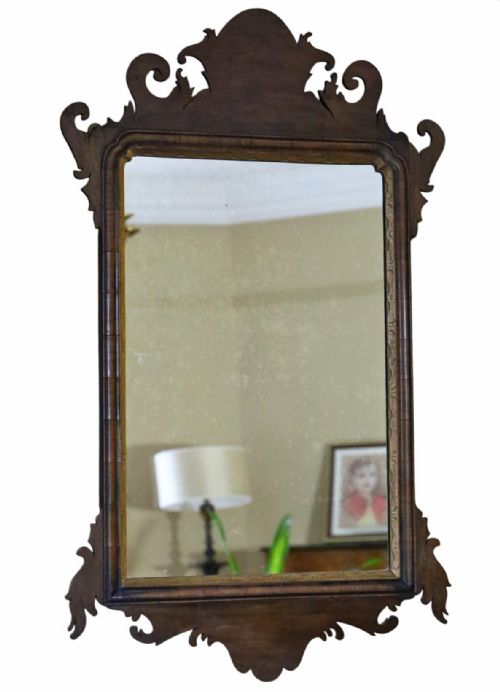


Scroll Carved Frame Mirror
Scroll carved frame mirror examples bring genuine architectural depth to a room through traditional timberwork and fluid gilt ornament.
Scroll Carved Frame Mirror
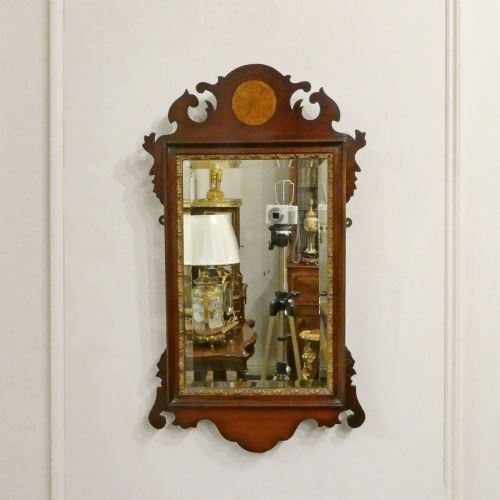
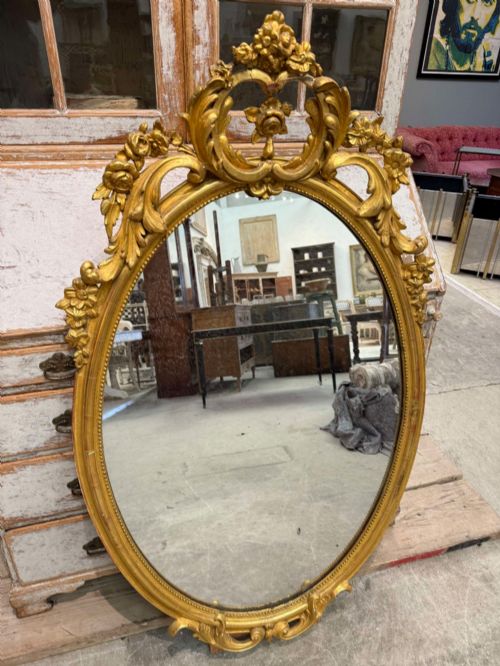
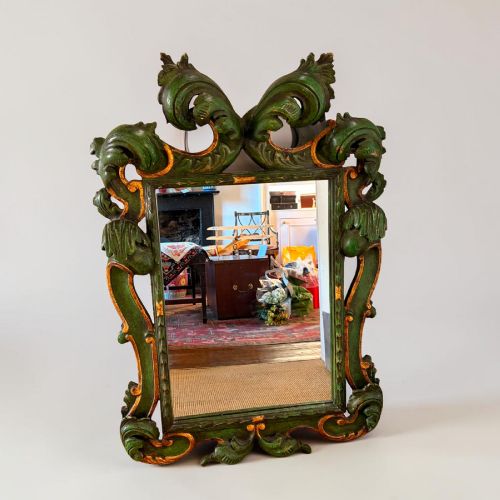
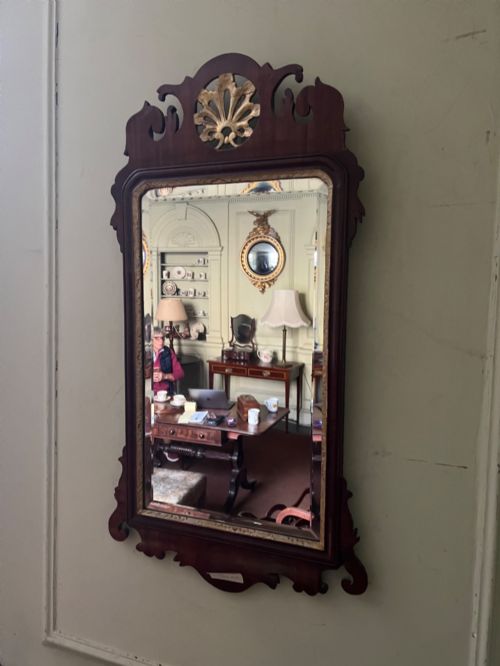
A scroll carved frame mirror centres on carved wooden or gilded surrounds featuring sweeping C-scrolls, acanthus foliage, and pierced fretwork. Buyers seeking this aesthetic encounter various interpretations spanning the eighteenth century through to later revival periods.
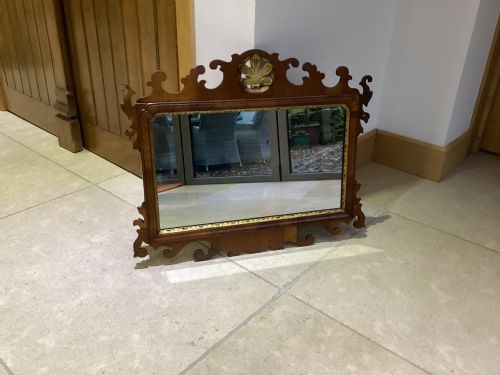
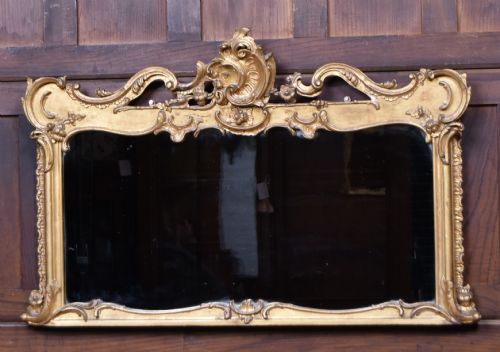
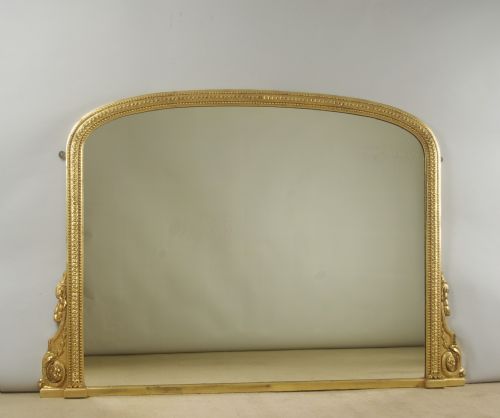
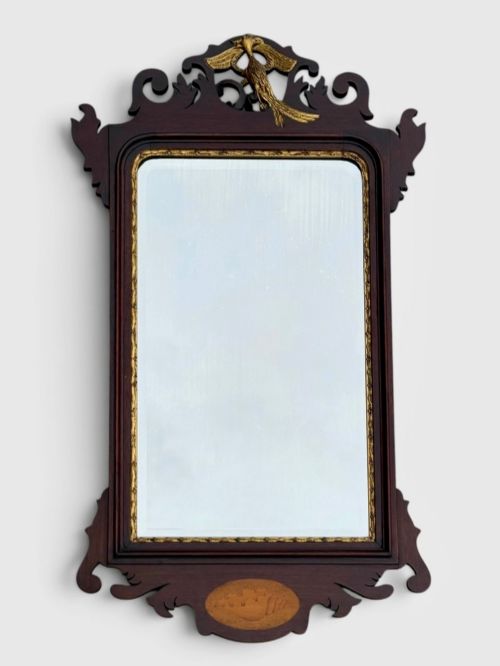
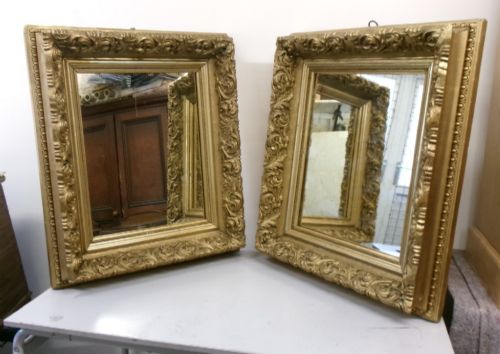
The selections here heavily feature Georgian mahogany fretwork designs alongside nineteenth-century giltwood pieces and Rococo revival wall mirrors. Smaller wall-hung formats and larger overmantel proportions dominate the physical forms available for domestic placement.
Origin points stretch across English, French, and Italian workshops, demonstrating how regional carvers adapted classical scrollwork into distinct local styles. Walnut and mahogany provide the primary timber foundations, while giltwood versions rely on applied gesso over carved wooden bases.
Materials and Construction
Craftsmen shaped these frames using dense hardwoods like mahogany and walnut, or softer timbers intended for heavy gilding such as pine and gesso. Pierced fretwork was typically cut from thin timber boards using fine saws before carvers added manual relief detail.
Giltwood frames required layers of gesso applied over carved wood, smoothed, and then covered with thin sheets of gold leaf or paint. Mirror glass was historically silvered using mercury or tin-amalgam techniques on early pieces, or standard silver nitrate processes on later nineteenth and twentieth-century examples.
Scroll Carved Frame Mirror Retail Price Guide 2026
Typical asking prices for scroll carved frame mirror among the pieces listed under this phrase on Sellingantiques today, from the lower quarter to the upper quarter. They describe what is for sale here now, not the wider market.
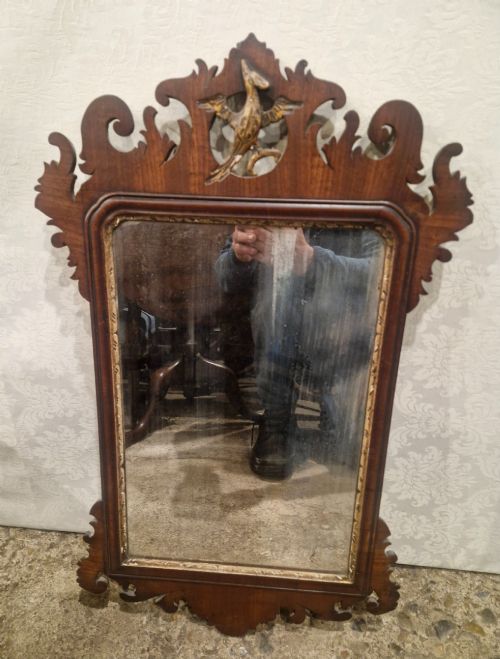
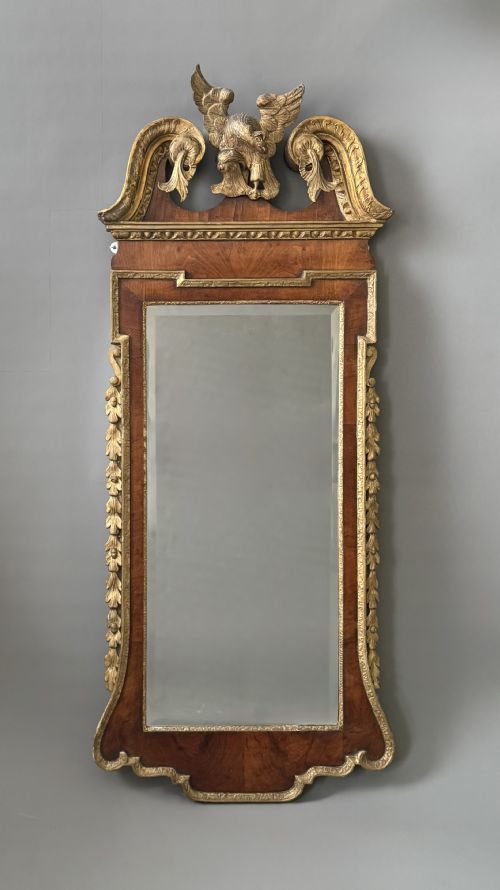
Several mirrors include mythical birds perched high in their crestings, keeping a watchful glass-eyed stare over centuries of drawing room gossip.
Evaluating Quality and Execution
The crispness and depth of the manual carving dictate the visual impact of any scroll carved frame mirror. Shallow, mechanical cutting yields a flat appearance, whereas skilled relief work gives foliage and scrolls a convincing three-dimensional presence.
Original glass retention and the condition of the underlying gesso or timber patination heavily influence the character of an older frame. Integrated construction methods, such as properly joined corner mitres and intact fretwork ears, separate superior examples from lesser items.
The Scroll Carved Frame Mirror Glossary
- Fretwork
- Openwork ornamentation cut from a thin flat board using a scroll saw or piercing saw. This technique creates intricate geometric or botanical patterns commonly seen on eighteenth-century frames.
- Giltwood
- Timber carved and subsequently covered with gold leaf applied over a prepared gesso ground. It provides a bright reflective surface that catches interior candlelight or daylight.
- Gesso
- A paint mixture consisting of a binder mixed with chalk, gypsum, or pigment used as a base for gilding. It allows carvers to crisp up fine details before the gold leaf is laid down.
- Pier Glass
- A tall mirror specifically designed to be hung on the narrow pier of wall space situated between two windows. These pieces often feature decorative crestings and candle sconces.
- Overmantel Mirror
- A wide horizontal mirror designed to sit directly above a fireplace mantelpiece. They frequently incorporate arched tops and elaborate foliate scroll framing.
Scroll Carved Frame Mirror: Frequently Asked Questions
Where should I hang a scroll carved frame mirror?
These mirrors suit principal reception rooms, entrance halls, and bedroom settings where their reflective glass and carved details can catch natural light. Placing one above a fireplace or console table creates a traditional focal point.
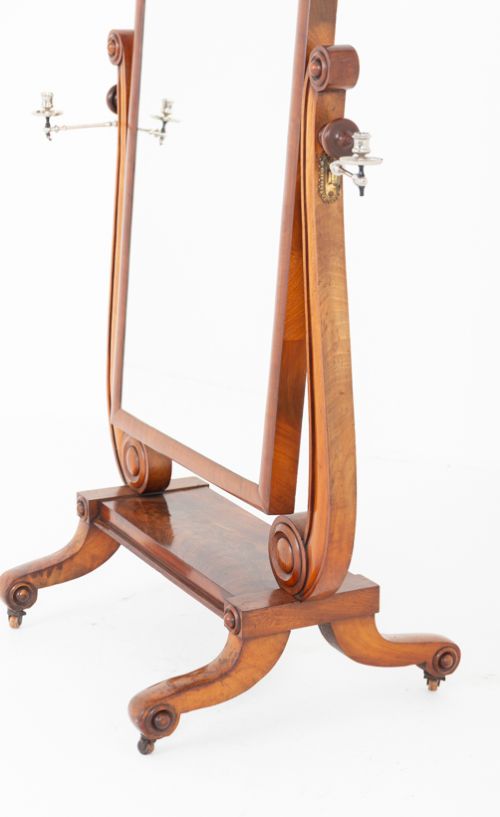
Ensure the wall fixings match the weight of the specific timber or giltwood frame. Larger overmantel and cheval formats require secure anchoring into wall studs or masonry.
How do I identify a Georgian original from a later revival piece?
Original eighteenth-century pieces typically exhibit hand-cut timber construction, old secondary woods behind the primary face, and hand-beveled mirror glass showing age oxidation. Revivals from the Victorian and Edwardian eras often use machine-cut fretwork or different backing boards.
Examining the nail types, joint construction, and the wear patterns on the gilt or timber helps clarify the true age of the frame.
How do I clean an antique giltwood frame?
Dust the carved surfaces very gently using a soft, dry artist's brush or feather duster. Avoid applying water, liquid cleaners, or modern chemical polishes directly onto the gold leaf or gesso.
Moisture can easily lift fragile historical gilding from its gesso base. Professional conservation is recommended if deeper cleaning is required.
What does a Ho Ho bird signify on these frames?
The Ho Ho bird, or Chinese phoenix, frequently appears perched atop the cresting of mid-eighteenth-century English and Chippendale style mirrors. It reflects the era's widespread fascination with Chinoiserie design motifs.
Carvers integrated these mythical birds into the scrolling foliage to add vertical height and exotic decorative flair to the overall composition.