

Hanging Wall Mirror Frame
A hanging wall mirror frame brings depth and light to a room, and the pieces listed under this phrase span centuries of carved wood and gilt metal.
Hanging Wall Mirror Frame
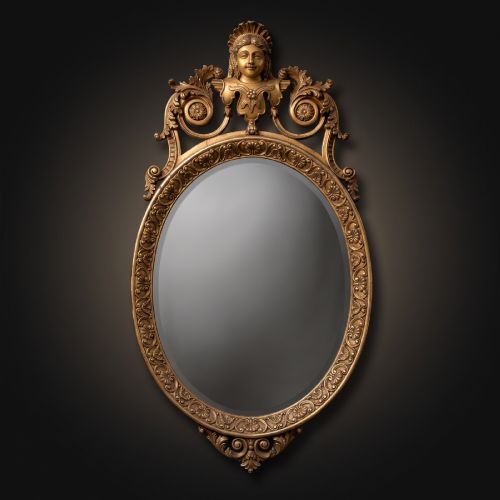
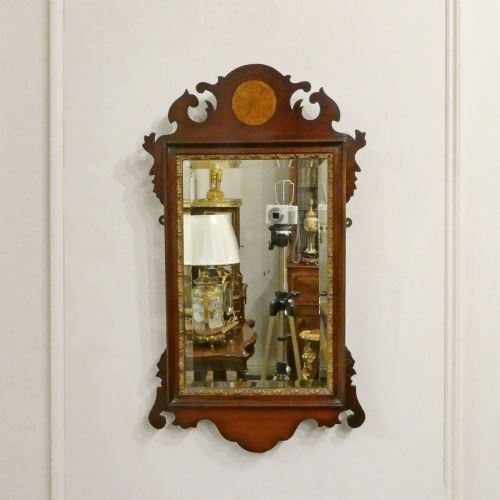
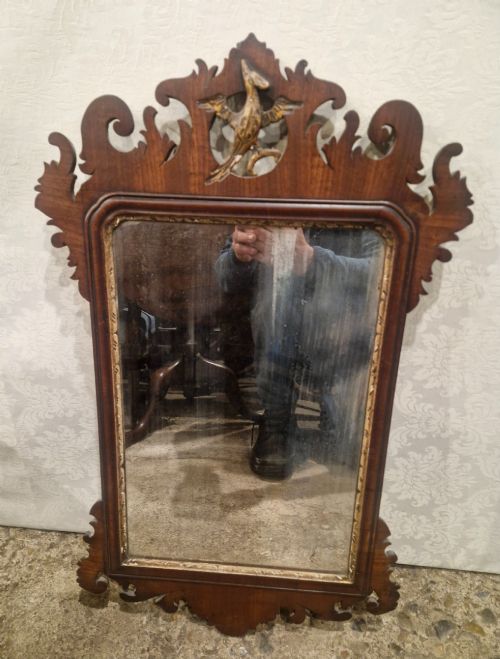
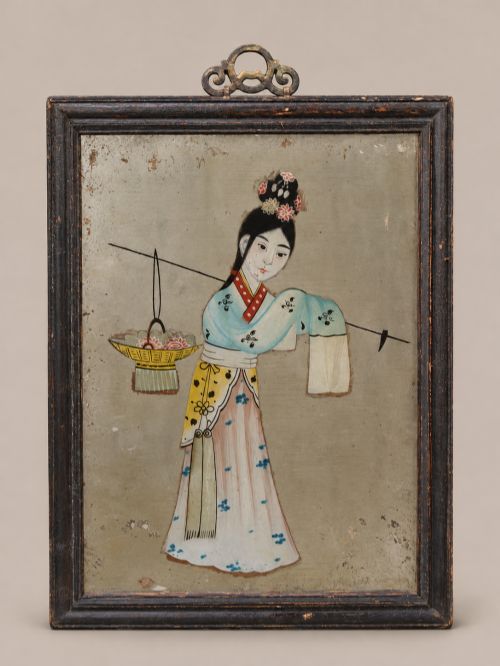
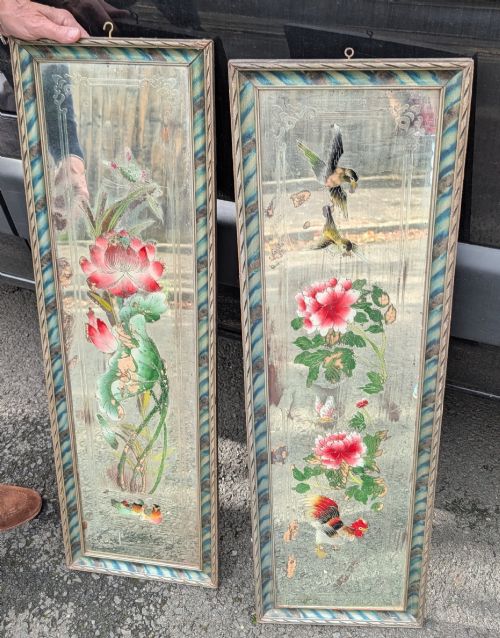
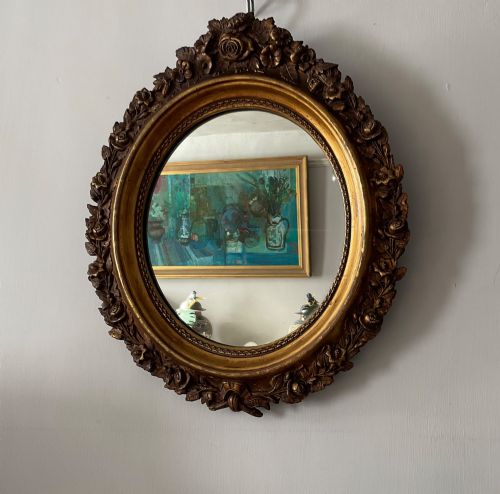
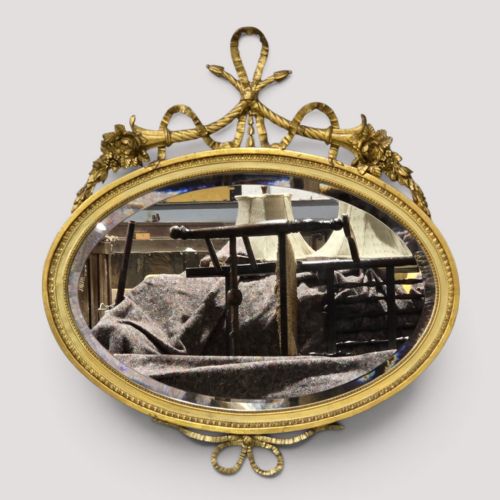
When you search for a hanging wall mirror frame, you encounter wall-mounted looking glasses shaped by periods from the Georgian era through to the mid-twentieth century. The selection ranges from simple oak and walnut surrounds to ornate giltwood and gesso creations styled in the French Rococo and Chinoiserie traditions.
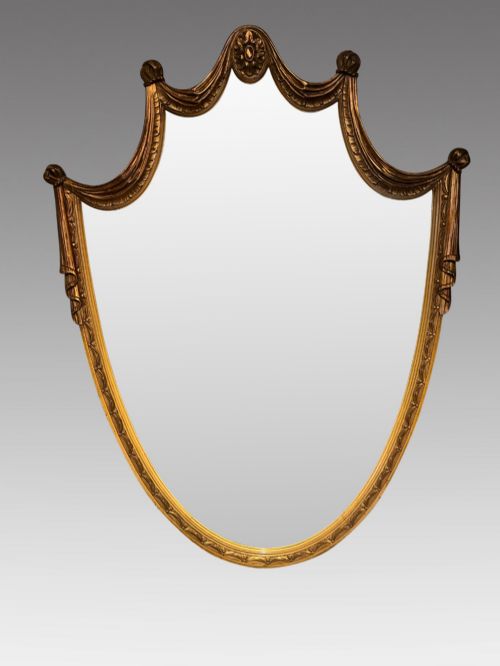
Victorian and Edwardian examples appear frequently, alongside earlier Regency designs and pieces reflecting later revivals. These mirrors take oval, rectangular, shield, and arched forms meant for domestic spaces.
Materials and construction methods
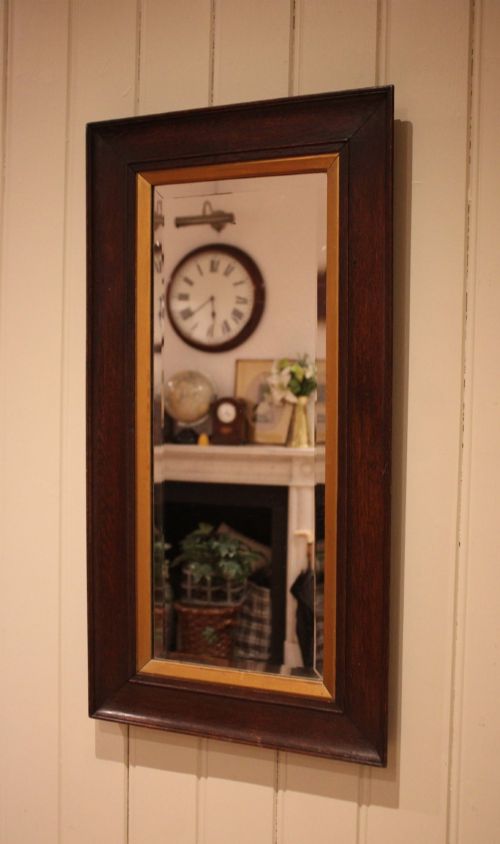
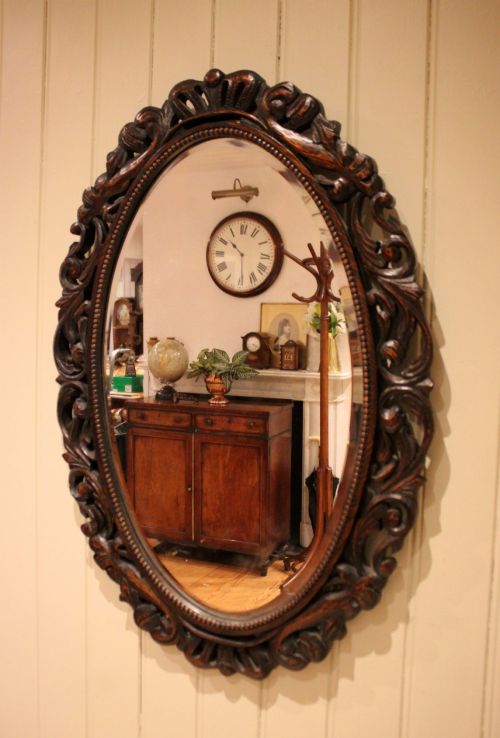
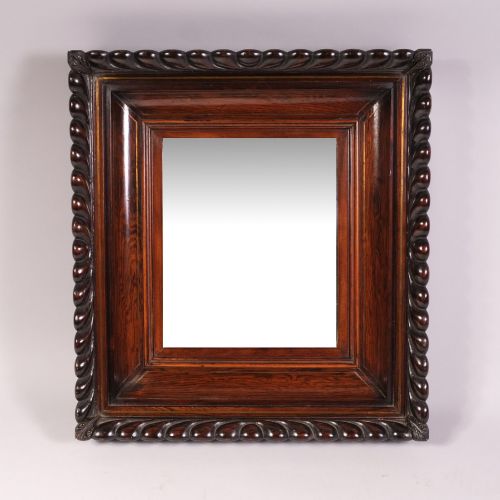
The makers of these frames utilised timber such as oak, walnut, rosewood, and mahogany, often shaping them with carved details or parcel gilt accents. Many frames employ gesso applied over wood before receiving a finish of gold leaf or paint.
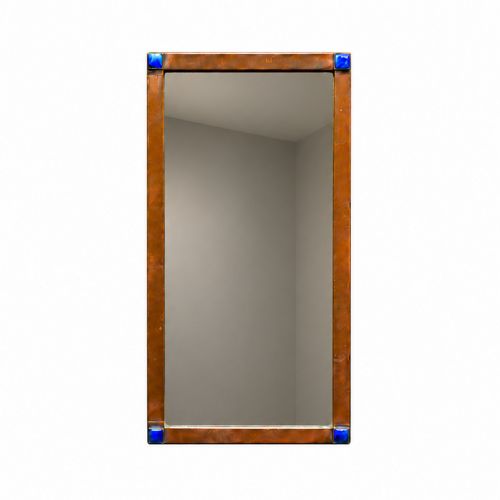
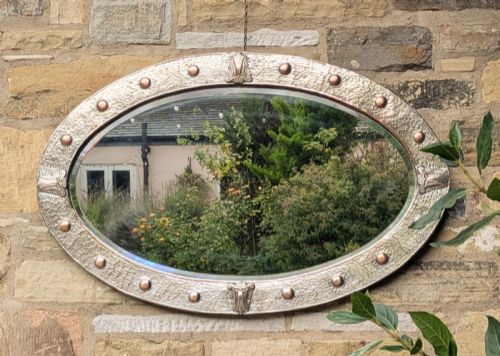
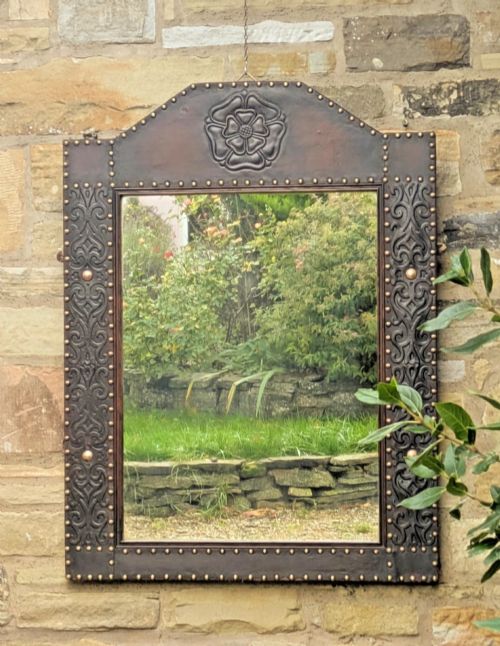
Metal elements also emerge in copper, brass, and studded leather constructions, while glass plates provide the reflective surface within these diverse surrounds.
Hanging Wall Mirror Frame Retail Price Guide 2026
Typical asking prices for hanging wall mirror frame among the pieces listed under this phrase on Sellingantiques today, from the lower quarter to the upper quarter. They describe what is for sale here now, not the wider market.
The periods represented among these mirrors span from the eighteenth century through the Georgian, Victorian, Edwardian, and Art Nouveau eras.
Distinctions in craftsmanship
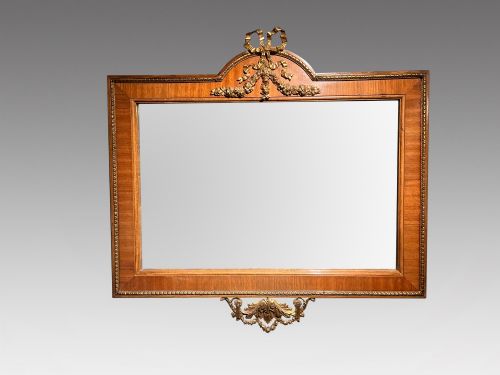
The quality of a hanging wall mirror frame rests in the crispness of its carved ornament and the depth of its gilding technique. Finer pieces display hand-carved details in wood or expertly applied water gilding over gesso, whereas simpler iterations rely on plain timber or basic mouldings.
The presence of original mirror plates and period-appropriate backing construction further separates exceptional examples from standard decorative items.
Cole of Exeter·Arsène Rochette of Versailles
The Hanging Wall Mirror Frame Glossary
- Giltwood
- Wood that has been coated with gold leaf or gold paint. This finish appears frequently on decorative frames from the Georgian and Victorian periods.
- Gesso
- A plaster-like mixture applied to wood surfaces as a smooth base for gilding or painting. It allows carvers to achieve sharp relief details.
- Chinoiserie
- A European artistic style reflecting Chinese motifs and decorative techniques. It is seen on painted and carved mirrors from the Edwardian and later eras.
- Water gilding
- A traditional technique using gold leaf applied to a wet gesso surface, capable of being burnished to a high shine. It marks pieces produced with higher craftsmanship.
Hanging Wall Mirror Frame: Frequently Asked Questions
How do I date a hanging wall mirror frame?
Dating relies on examining the timber species, the method of construction in the frame corners, and the characteristics of the mirror plate itself. Secondary woods and fastener types often provide clues to the century of manufacture.
Stylistic cues such as Arts and Crafts metalwork or French Rococo revival carving also point toward specific decades like the eighteen-eighties or nineteen-twenties.
Were these frames meant only for walls?
While primarily designed as wall-mounted fixtures, some versatile examples function as both wall mirrors and strut mirrors for tabletop use. Their hanging hardware or rear stands determine how they were displayed in period interiors.
Most pieces in this category, however, feature dedicated loops or rings for secure vertical suspension.
What is the difference between giltwood and gesso?
Giltwood refers to the actual wooden base covered in gold leaf, whereas gesso is the preparatory plaster layer applied beneath the gold to create a smooth or sculpted surface. Carvers used gesso to build up intricate floral or scroll patterns before gilding.
Examining losses in the surface often reveals the white gesso layer beneath the metallic leaf.
How do I care for antique mirror frames?
Maintenance involves dusting timber and gilt surfaces gently with a dry cloth and avoiding harsh chemical cleaners that might damage delicate finishes like water gilding or painted Chinoiserie scenes. Keeping the mirror away from direct heat and damp environments protects the wood and the mirror plate.
Original glass and old frames benefit from stable indoor humidity.