



Scottish Watercolour Artwork
These scottish watercolour artwork selections capture rugged highland vistas and coastal scenes on paper from the nineteenth and twentieth centuries.
Scottish Watercolour Artwork
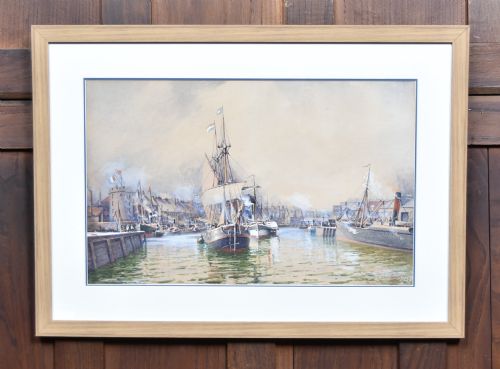
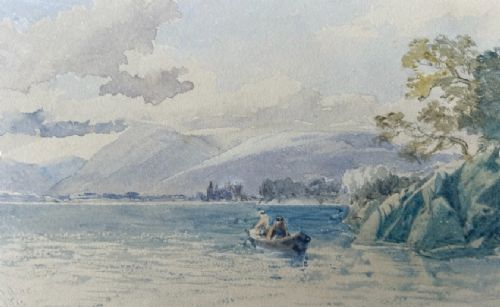
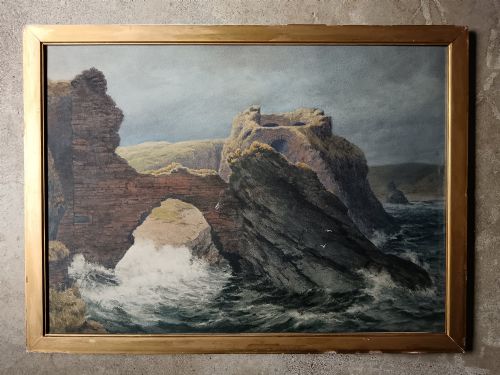
When you search for scottish watercolour artwork, you encounter original paintings on paper depicting landscapes, lochs, and coastal views. These works span from the Victorian period through to the mid-century modern era.
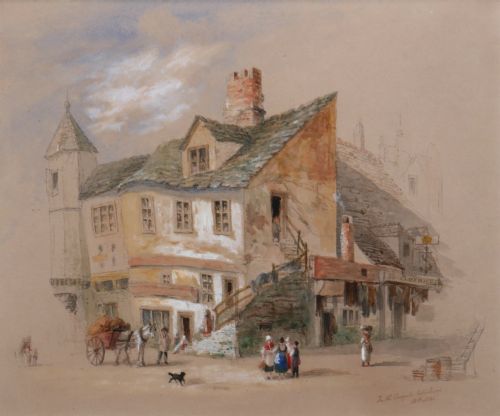
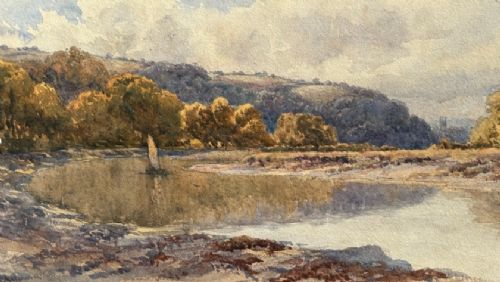
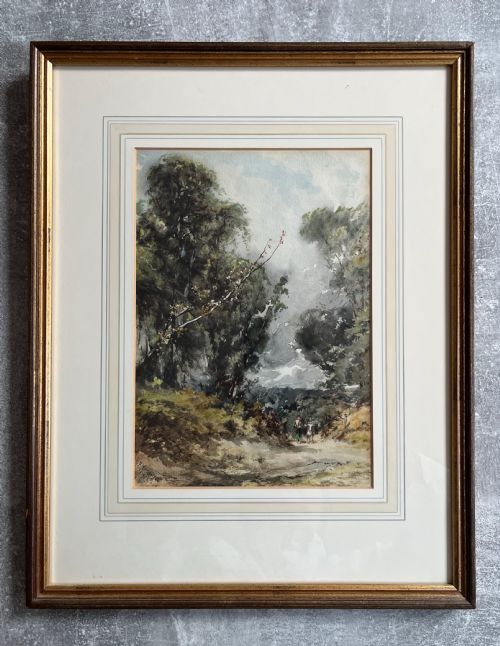
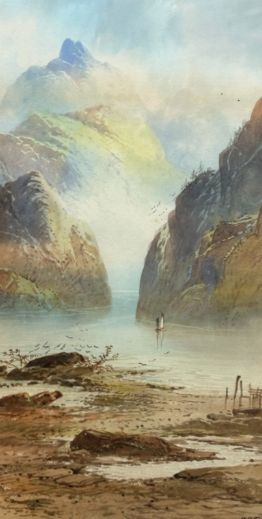
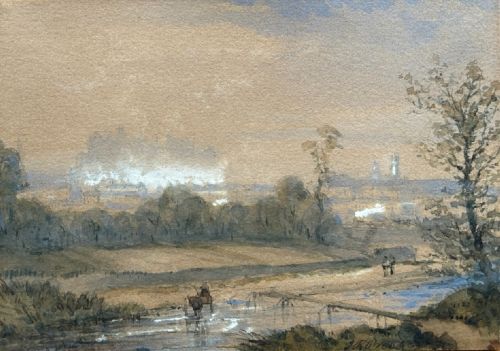
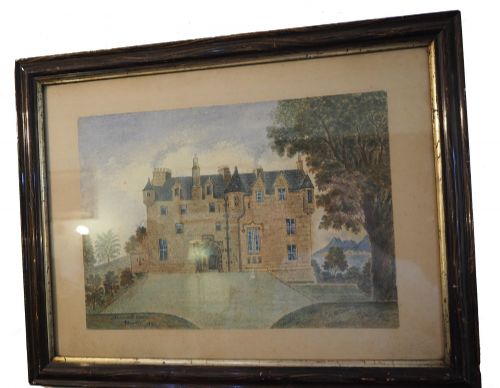
The most common examples on this page are nineteenth-century landscapes featuring castles, rivers, and herdsmen. Painters of the Scottish School recorded rural life and topography using transparent pigments on paper.
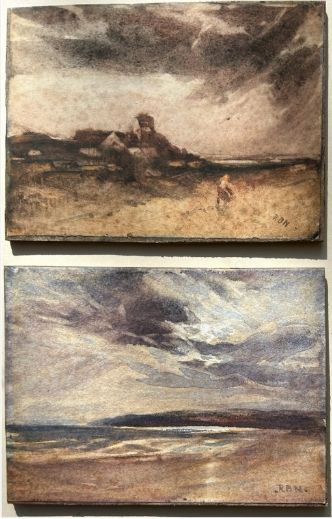
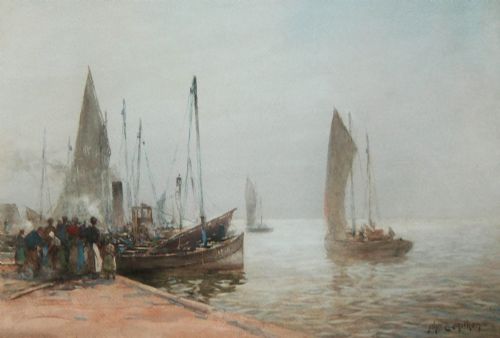
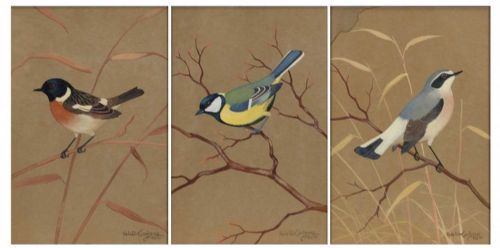
Portraits, interior scenes, and bird studies also appear among the offerings. Artists utilised traditional watercolours to capture the specific light and weather of Scottish locations such as Loch Awe and the Hebrides.
Materials and Technique
Works are executed primarily in watercolour paint and pigment on paper supports. Some pieces incorporate bodycolour or gouache to build opaque highlights and denser areas of colour.
Scottish Watercolour Artwork Retail Price Guide 2026
Typical asking prices for scottish watercolour artwork among the pieces listed under this phrase on Sellingantiques today, from the lower quarter to the upper quarter. They describe what is for sale here now, not the wider market.
Several artists preferred painting highland cattle over human models, resulting in numerous moody portraits of long-horned beasts standing stubbornly in the rain.
Assessing Quality and Execution
The distinction between standard watercolours and superior examples lies in brushwork confidence and atmospheric depth. Master painters handle washes with precision to render shifting weather over highland terrain.
Condition of the paper and vibrancy of the pigment determine the visual impact of each piece. Surviving works with minimal fading and original period gilt framing retain greater integrity.
David Law·George Fotherly Hargitt·Thomas Miles Richardson Jnr·William Henry Earp·John R Prentice·James E Aitken·Ralston Gudgeon·John Moxon·Robert Eadie·Robert Buchan Nisbet·John Mitchell·R P Noble·Stanley Orchart·Margaret Laing·Snaffles·Hirst Walker·A J Thornton·Sir William George Gillies·Henry Birtles·John R Houston·Emily M Paterson·Robin Watt·Alfred Graham·Aster Richard Chilton Corbould·John B MacDoanld
The Scottish Watercolour Artwork Glossary
- Watercolour paint
- A water-soluble medium composed of pigment and binder that is applied in translucent washes to paper.
- Gouache
- An opaque water-based paint containing pigment, water, and an inert white pigment, sometimes used alongside watercolour.
- Gilt wood
- Wood carved and coated with a thin layer of gold leaf, commonly seen on period frames.
- Scottish School
- A collective term for artists working in Scotland who shared regional subjects and stylistic approaches.
- Support
- The underlying material, in this case paper, upon which the watercolour pigment is applied.
Scottish Watercolour Artwork: Frequently Asked Questions
How do I hang a watercolour painting safely?
Watercolour paintings on paper require protection from direct sunlight to prevent the pigments from fading over time. Keep them away from damp walls and fluctuating heat sources.
Utilise UV-resistant glass when framing to provide an extra layer of conservation care. Hang the artwork securely using appropriate fixings suited to your wall type.
What subjects are typical in Scottish watercolours?
Artists frequently painted highland landscapes, coastal castles, and rural farming scenes featuring cattle or sheep. Loch views and moody weather effects dominate the regional output.
Interior settings, botanical studies, and portraits of local figures also appear within the selection. These varied subjects reflect the interests of painters working across different decades.
How do I date an antique watercolour?
Dating relies heavily on signatures, dates inscribed by the artist, and framing materials. Stylistic cues such as Victorian clothing or distinct mid-century compositions also provide chronological clues.
Examine the paper type and backing boards when possible for further evidence of age. Period gilt wood frames often correspond to the era in which the painting was made.
Are these watercolours original works?
The offerings on this page consist of original hand-painted watercolours rather than modern prints or reproductions. Each piece represents a unique application of pigment to paper by the named artist.
Signatures, monograms, and brushstroke textures confirm the hand-rendered nature of the art. Many examples retain contemporary or period framing from their creation date.