


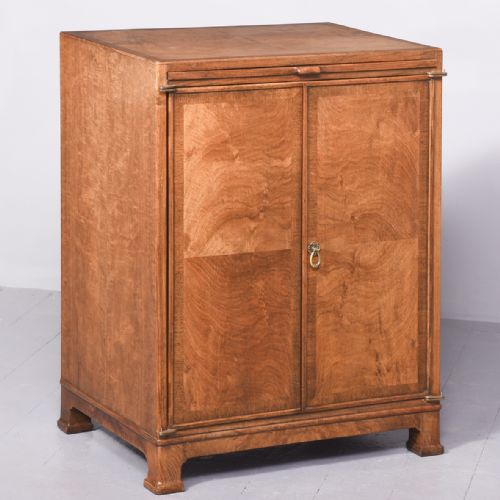


Scottish Walnut Furniture
Scottish walnut furniture brings together rich timber and Edinburgh craftsmanship, offering practical seating and storage with a distinct regional character.
Scottish Walnut Furniture
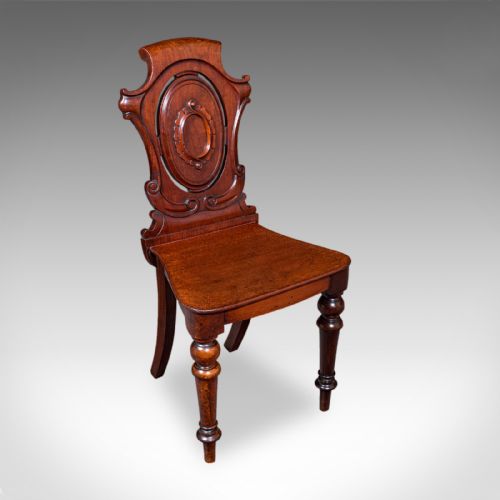
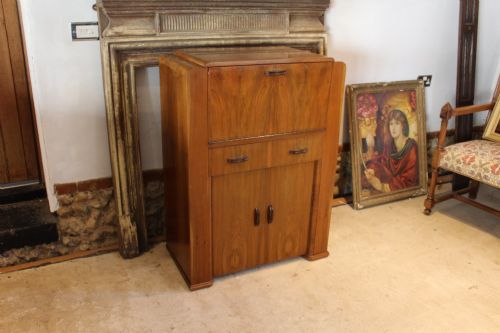
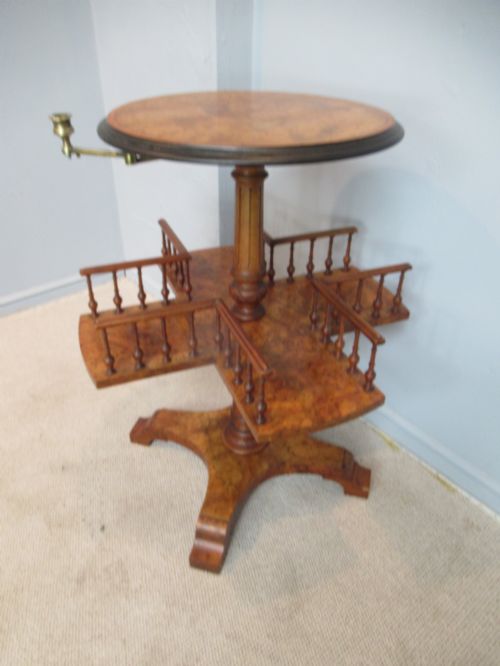
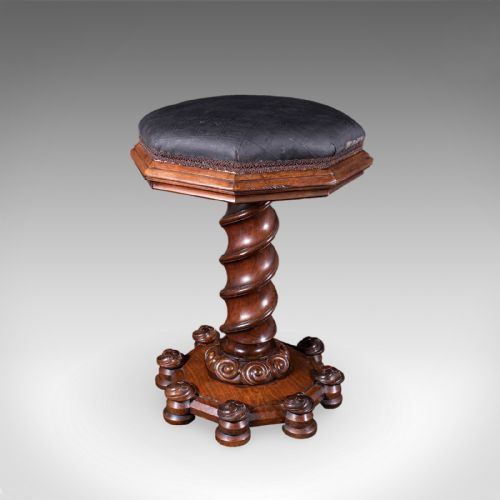
When you search for scottish walnut furniture, you are examining pieces ranging from nineteenth-century chest of drawers and revolving bookstands to twentieth-century cabinets and dining tables. These functional items include hall chairs, music stools, bureau bookcases, and armchairs made in Scotland.
The selection on this page demonstrates styles from the Victorian, William IV, and Regency periods through to Arts and Crafts, Edwardian, and Art Deco. Makers such as Whytock & Reid of Edinburgh feature prominently alongside nineteenth-century works.
Buyers meet varied forms including serving tables, library tables, cellerettes, and dressing table mirrors. Each piece reflects the output of Scottish workshops utilising walnut across different decades.
Materials and construction
Cabinet makers utilised walnut, burr walnut, and mahogany, often applying veneer over solid wood foundations to highlight the grain. Brass fittings and leather or velvet upholstery appear on seating and storage pieces.
Construction techniques span traditional cabinet making through to Art Deco production methods. Workshops employed skilled joinery to shape shield back hall chairs, revolving bookcases, and large dining tables.
Edinburgh workshops like Whytock & Reid account for many of the cabinets, tables, and seating items.
Factors determining quality
The standard of Scottish walnut furniture depends on the choice of timber and the complexity of the cabinet work. Highly figured burr walnut and exhibition quality execution set certain desks, cellerettes, and tables apart from standard utility items.
Attribution to documented makers such as Whytock & Reid, J. & T. Scott, or Morison of Edinburgh influences interest. The crispness of carved details, such as shield backs on hall chairs, also dictates the calibre of a piece.
F.H. Marshall & Co Glasgow·Whytock & Reid of Edinburgh·J. & T. Scott Edinburgh·Morison of Edinburgh
The Scottish Walnut Furniture Glossary
- Burr walnut
- A veneer or timber taken from the growth growths of a walnut tree, showing intricate, swirling grain patterns. It was prized for decorative surfaces on cabinets and tables.
- Shield back
- A chair back shaped in the form of a heraldic shield, commonly found on Victorian and Regency hall chairs.
- Cellerette
- A lockable container or cabinet designed to hold bottles of wine or spirits, often lined and fitted for domestic dining rooms.
- Revolving bookstand
- A bookcase constructed to turn on a central pivot for easy access to volumes from any seating position.
- Veneer
- A thin layer of superior wood adhered to a secondary wood base to provide a decorative exterior surface.
Scottish Walnut Furniture: Frequently Asked Questions
What periods do these pieces cover?
The available items span from the Georgian and Regency eras through Victorian, William IV, Arts and Crafts, Edwardian, and Art Deco styles.
Twentieth-century examples sit alongside nineteenth-century craftsmanship from Edinburgh workshops.
Which makers are represented?
The listings feature works attributed to Whytock & Reid of Edinburgh, J. & T. Scott, Morison of Edinburgh, and F.H. Marshall & Co of Glasgow.
These firms produced everything from exhibition quality cellerettes to practical domestic furniture.
What types of items are available?
The inventory includes seating such as hall chairs, side chairs, and armchairs, alongside storage like cabinets, chests of drawers, and bureau bookcases.
Tables, music stools, revolving bookstands, and dressing table mirrors also appear.
How do I identify burr walnut?
Burr walnut exhibits distinctive, highly figured swirling patterns created by growths on the tree.
Cabinet makers used this timber as a decorative veneer on prominent surfaces of desks and tables.