

Scottish Victorian Furniture
Scottish Victorian furniture brings together robust timbers and regional cabinet-making traditions, offering sturdy seating and storage for everyday use.
Scottish Victorian Furniture
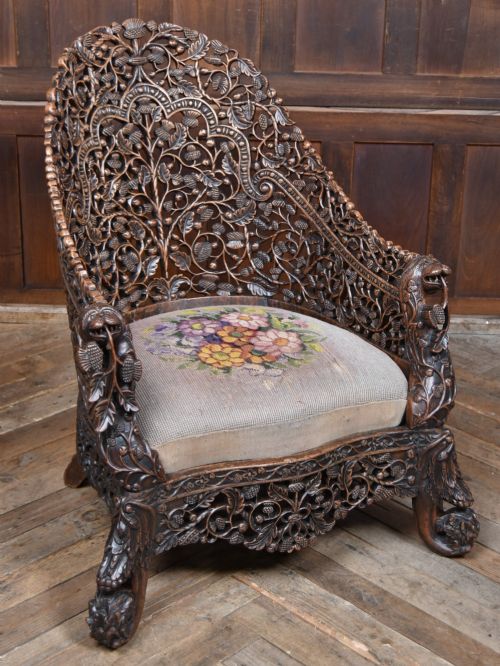
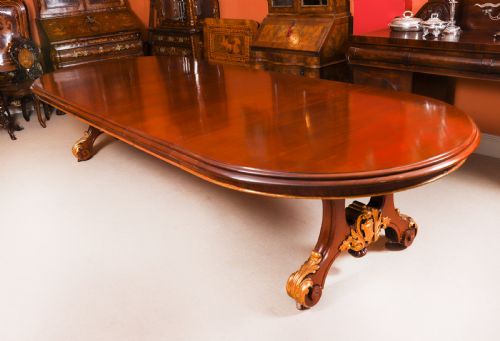
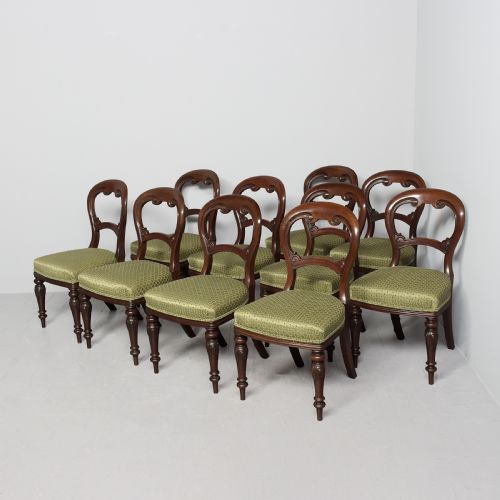
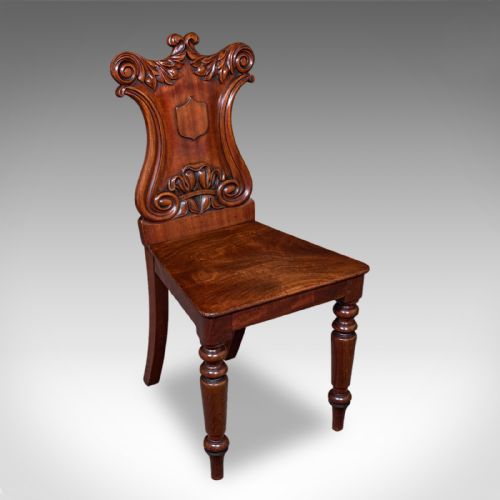
When you search for scottish victorian furniture, you encounter robust domestic pieces built during the nineteenth century by regional makers and workshops. These items range from large oak sideboards and mahogany dining chairs down to miniature apprentice chests and specialised cabinets.
The pieces on this page heavily feature storage forms such as chests of drawers, dressers, and wardrobes alongside dining furniture and seating. Regional vernacular styles mingle with formal Victorian designs, showing the breadth of nineteenth-century production in Scotland.
Materials and construction
Cabinet makers utilised dense hardwoods including mahogany, walnut, and oak, often applying flame mahogany or burr walnut veneers to primary surfaces for visual depth. Secondary timbers like pine appear on internal drawer linings and the backs of case pieces.
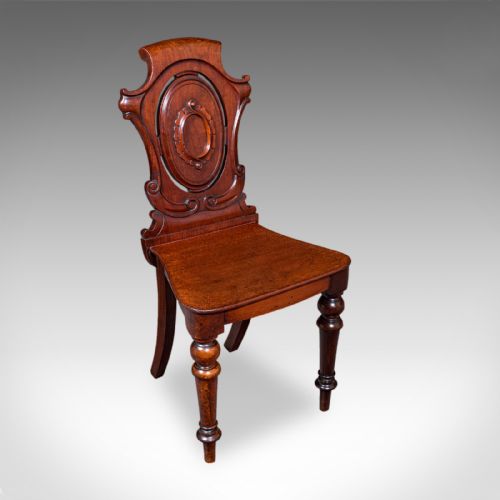
Brass hardware such as handles and escutcheons accent structural joints, while specific regional seating forms incorporate turned wooden components and carved details like the thistle.
Scottish Victorian Furniture Retail Price Guide 2026
Typical asking prices for scottish victorian furniture among the pieces listed under this phrase on Sellingantiques today, from the lower quarter to the upper quarter. They describe what is for sale here now, not the wider market.
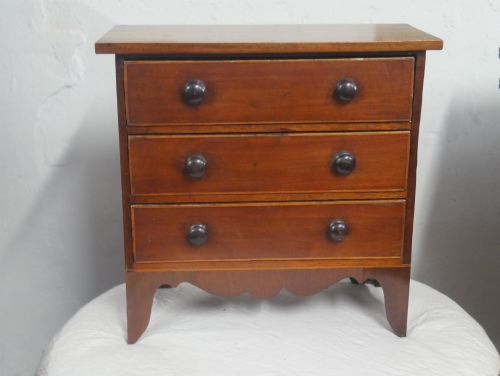
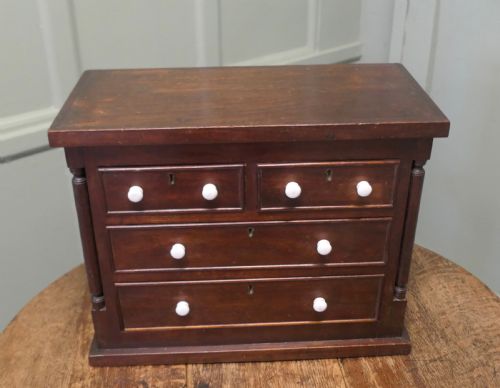
A miniature apprentice chest featuring an engraved brass thistle offers tiny storage for jewellery.
Gradations of quality
The distinction between standard utility items and exhibition pieces lies in timber selection and the precision of the cabinet work. High-end examples display matched burr veneers, intricate carving, and robust secondary framing by recorded makers.
Simpler regional pieces rely on solid native pine or plain mahogany with minimal ornamentation, serving functional roles in country houses and estate kitchens rather than formal reception rooms.
GM Elwood for JS Henry·Wylie and Lochead·Morison and Co·J A Mein·Alexander McKenzie·John Taylor·J and T Scott·R H and J Simpson
The Scottish Victorian Furniture Glossary
- Apprentice chest
- A small-scale model created by a trainee cabinet maker to demonstrate skill before gaining master status. These miniature pieces mirror the construction methods of full-sized furniture.
- Scotch chest
- A tall chest of drawers traditionally featuring a deep blind top drawer above smaller configuration drawers. They are frequently rendered in flame mahogany or walnut veneer.
- Baronial settle
- A high-backed wooden bench intended for entrance halls, constructed with solid oak panels and carved architectural details. These seats reflect nineteenth-century revivalist tastes.
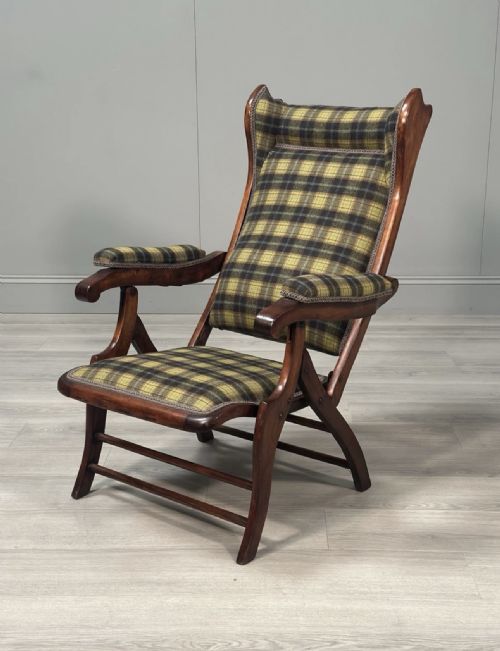
- Campaign armchair
- A portable folding seat designed for travel and military use during the Victorian period. They utilise hinged frames for compact storage.
- Linen press
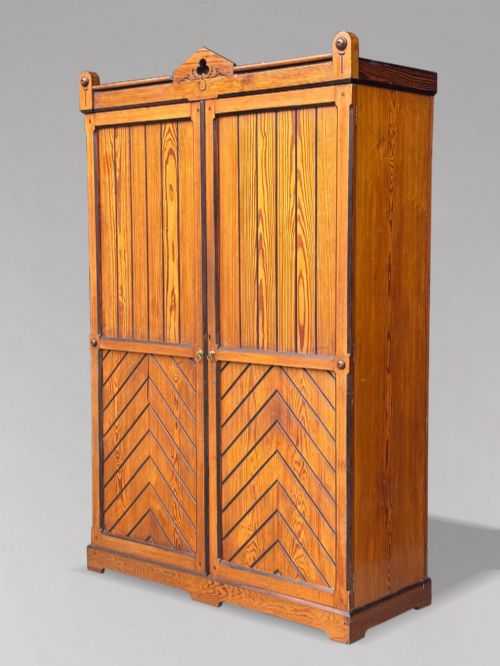
- A tall storage cabinet featuring upper sliding trays for textiles and lower drawers for bulkier garments. They are commonly constructed from mahogany.
Scottish Victorian Furniture: Frequently Asked Questions
What defines Scottish Victorian furniture?
These pieces originate from nineteenth-century Scottish workshops, combining heavy Victorian forms with local timber choices like oak, mahogany, and walnut.
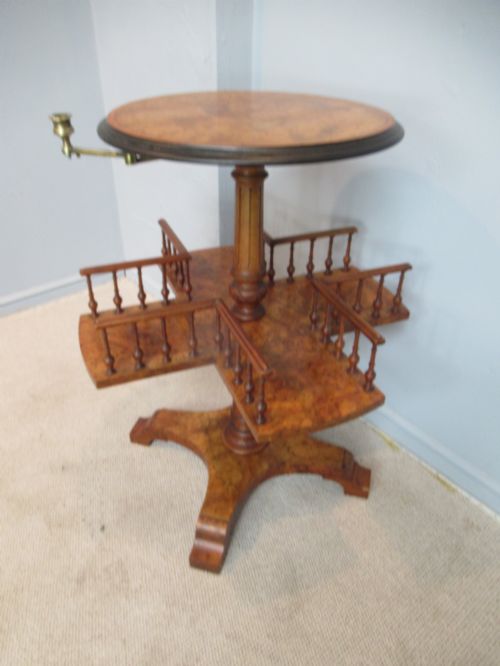
Makers often incorporated distinct regional design touches, such as Edinburgh pattern chairs or burr walnut bookstands.
How do I identify a Scotch chest?
A Scotch chest typically presents a prominent ogee-moulded top drawer above a bank of smaller and larger drawers, often faced in flame mahogany veneer.
These case pieces stand out for their substantial proportions and deep drawer capacities.
Where were these pieces used originally?
Domestic items served in estate houses, townhouses, and country properties across Scotland, fulfilling specific roles from dining room seating to kitchen storage.
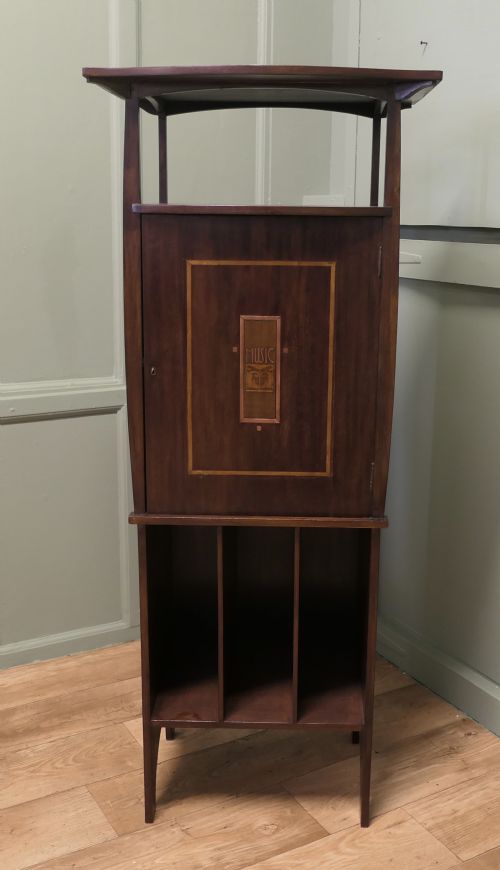
Specialist items like music cabinets and hall stands suited Victorian entertaining and reception routines.
How do I care for mahogany and walnut surfaces?
Maintain timber surfaces by keeping them away from direct heat sources and sudden humidity shifts that can crack old veneers.
Apply traditional wax polish sparingly to nourish the wood without building up heavy chemical residues.