



Scottish Silver Tableware
Scottish silver tableware brings functional elegance to the dining room through historic sterling silver, agate, and horn pieces made by provincial and city silversmiths.
Scottish Silver Tableware
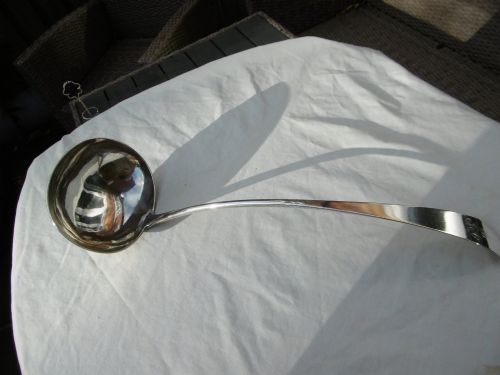
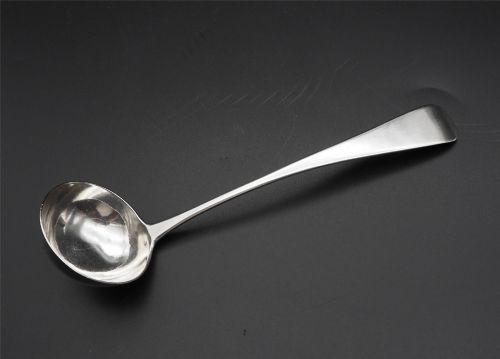
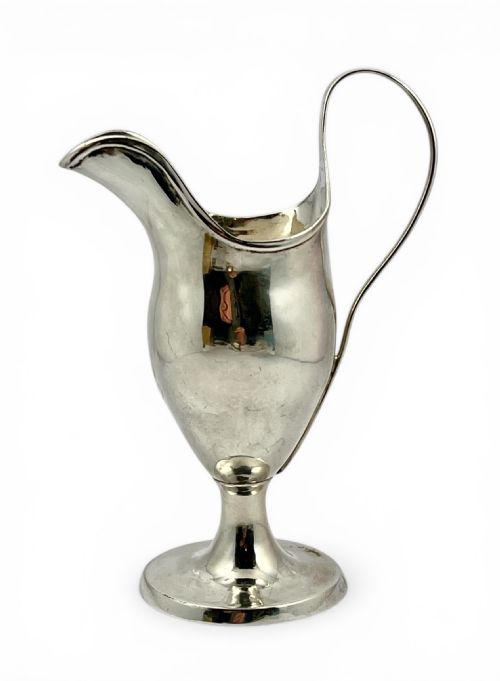
Scottish silver tableware encompasses a diverse range of dining and serving items, from soup ladles and gravy spoons to mustard pots, cream jugs, and quaichs. These pieces reflect centuries of silversmithing tradition across Edinburgh, Glasgow, and regional centres.
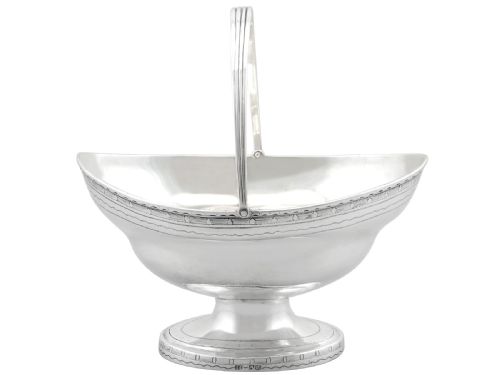
Buyers encountering this category most frequently meet Georgian and Victorian pieces, including serving spoons, sugar baskets, and condiment ladles. Provincial makers from Aberdeen, Banff, and Inverness also feature prominently alongside major urban marks.
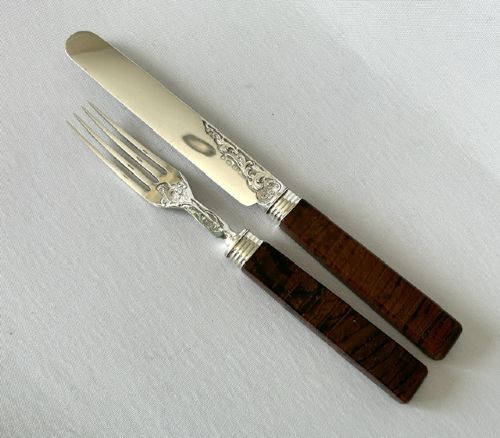
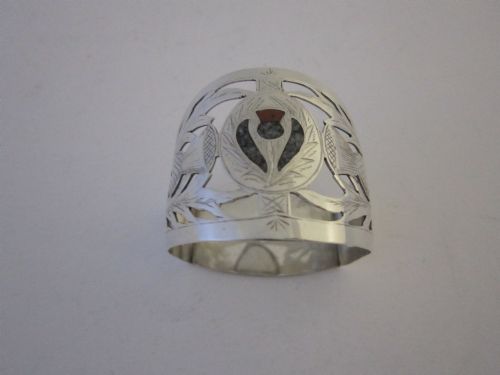
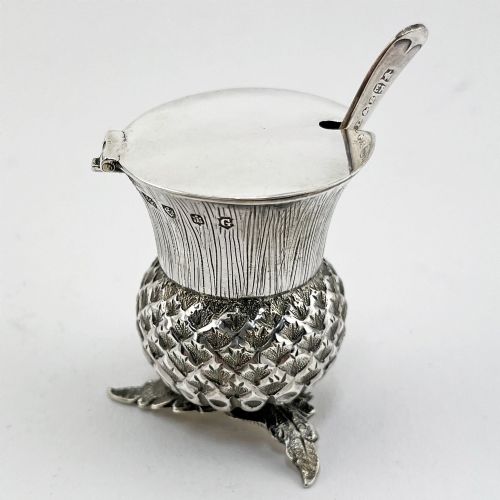
Forms extend from practical cutlery rests and napkin rings to novelty items such as thistle-shaped mustard pots and agate-inlaid knives and forks. The selection bridges formal dining requirements and distinctively regional Scottish forms.
Materials and Techniques
Silversmiths primarily utilised sterling silver, shaping heavy gauges for substantial serving pieces like hash spoons and soup ladles. Construction methods relied on traditional hammering, casting, and soldering techniques executed by skilled makers.
Makers integrated natural materials such as agate, horn, and glass to complement the silver framework in items like napkin rings, knife and fork sets, and cheese dishes. Assay office hallmarks and provincial maker marks were stamped directly into the metal to verify origin and standard.
Some mustard pots take the exact form of a thistle, bringing prickly Scottish flora directly onto the dining table.
Factors of Quality
Quality in these items rests upon the weight of the silver, the crispness of the chasing, and the integrity of any integrated natural materials like agate. Substantial gauge metal in items such as soup ladles and basting spoons indicates superior original manufacture.
The distinction between urban assay marks and provincial maker marks adds historical interest, while the survival of clear hallmarks and original form without excessive wear preserves the piece's integrity.
Milne and Campbell·James Gordon·John Edmonstone·Jamieson and Naughton·Robert Gordon·James Welch·Alexander Henderson
The Scottish Silver Tableware Glossary
- Provincial silver
- Silverware made and marked outside the main official assay offices, such as in Aberdeen, Banff, or Inverness. These pieces often carry unique maker initials.
- Toddy ladle
- A small spoon with a twisted whalebone or silver handle used for stirring whisky toddies. They frequently feature inset coins or bowls shaped from single sheets of silver.
- Hash spoon
- An exceptionally large serving spoon designed for dishing up meat stews and hashes at the Georgian table. They display robust proportions and heavy silver gauges.
Scottish Silver Tableware: Frequently Asked Questions
What is a Scottish quaich used for?
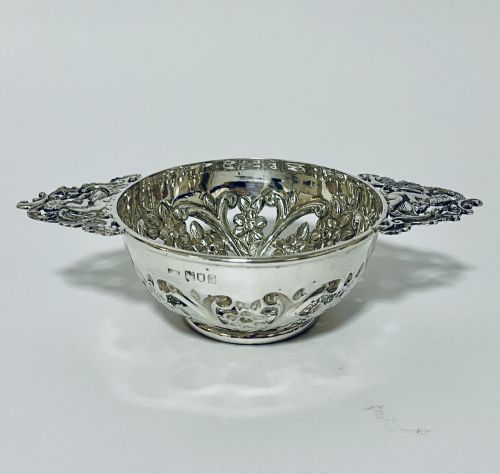
A quaich is a traditional Scottish two-handled drinking vessel historically used for offering a welcoming dram of whisky or ale.
Today, these shallow bowls function well as decorative display pieces or distinctive presentation items on the dining table.
How do I identify provincial Scottish silver?
Provincial silver bears maker marks from towns outside the main assay offices like Edinburgh or Glasgow, such as Aberdeen, Banff, or Inverness.
These pieces often display unique punch marks consisting of maker initials and town markers rather than standard assay office leopard heads or crowns.
What are toddy ladles used for?
Toddy ladles were utilised in the eighteenth and nineteenth centuries for mixing and serving hot whisky toddies from a communal bowl.
Their long twisted baleen, horn, or silver handles allowed reach into deep mixing vessels during social gatherings.
How should I clean antique silver tableware?
Antique silver benefits from gentle cleaning with a specialist silver cloth to remove tarnish without abrading the surface or obliterating hallmarks.
Avoid harsh dips, particularly on pieces inset with delicate natural materials like agate, horn, or glass.