




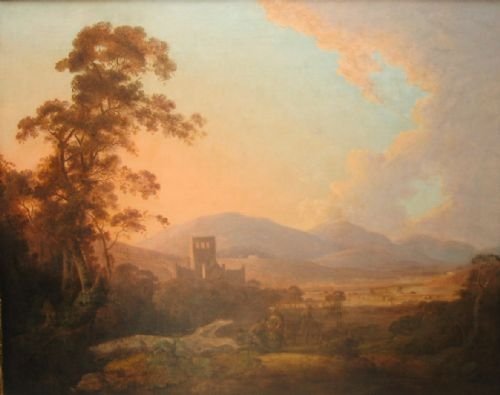

Scottish River Landscape Art
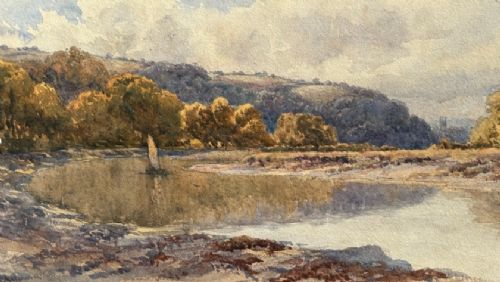
Scottish river landscape art captures the rugged waterways and valleys of the north through traditional painting.
Scottish River Landscape Art
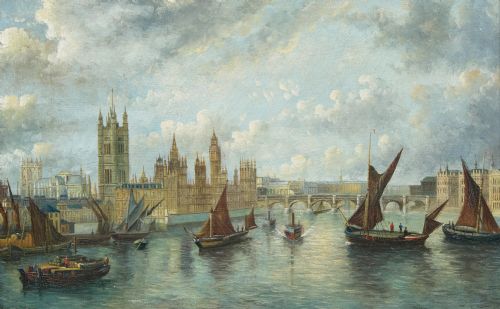
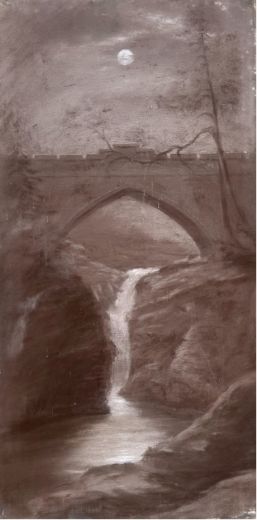
Scottish river landscape art comprises painted depictions of rivers, bridges, and valleys found within the region. These works document waterways from quiet pastoral stretches to dramatic highland torrents.
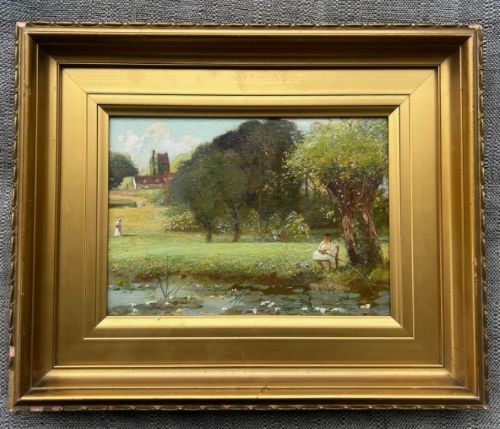
The selection ranges widely across time periods, capturing changing artistic approaches from the eighteenth century through to the mid-twentieth century. Pieces appear primarily as framed oil paintings on canvas or wood panel, alongside watercolours on paper.
Subjects often incorporate specific local landmarks, ancient stone bridges, and mountainous backdrops that define the geography. Artists recorded these rural settings with varying degrees of impressionistic freedom and topographical precision.
Materials and Technique
Artists relied primarily on oil paint applied to stretched canvas or prepared wood panels to achieve rich, enduring colour and depth. Watercolours executed on paper offered a lighter, more immediate medium for capturing changing weather and light.
Framing frequently involved traditional wooden mouldings finished with gesso and gold leaf to complement the finished composition. Painters employed techniques ranging from smooth, detailed brushwork to heavy impasto applications.
Scottish River Landscape Art Retail Price Guide 2026
Typical asking prices for scottish river landscape art among the pieces listed under this phrase on Sellingantiques today, from the lower quarter to the upper quarter. They describe what is for sale here now, not the wider market.
Materials across the listings include canvas, wood, oil paint, paper, gesso, and gold leaf.
Quality and Execution
Distinction in these works rests upon the artist's handling of natural light, atmospheric depth, and the fluid movement of water. Skilled composition balances the riverbanks and surrounding terrain to guide the viewer through the spatial plane.
The sophistication of the brushwork and the harmony of the palette separate standard regional recording from accomplished artistic interpretation. Preservation of the original canvas, panel, and pigments further determines the standing of an individual piece.
David Law·Sir David Murray·Frank Hider·Louis Bosworth Hurt·Sidney Richard Percy·Clarence Roe
The Scottish River Landscape Art Glossary
- Impasto
- Paint applied thickly to a canvas or panel, leaving visible brush or palette knife marks that add physical texture. This technique allows light to catch the raised surface and creates a sense of immediate movement.
- Watercolour
- A paint consisting of pigment suspended in a water-soluble binder, traditionally applied to paper. It yields translucent washes that capture bright, luminous atmospheric effects.
- Gesso
- A plaster-like mixture applied to wood panels or picture frames to prepare a smooth surface for painting or gilding. It provides a stable base that prevents oil paint from directly contacting raw wood.
- Wood Panel
- A rigid wooden support used by artists as an alternative to stretched canvas. Panels offer a firm foundation that prevents the flexing and cracking associated with older textiles.
Scottish River Landscape Art: Frequently Asked Questions
What periods do these paintings cover?
The works span from the eighteenth century through the Victorian era and into the mid-twentieth century. Painters recorded the changing Scottish terrain across multiple artistic movements including Impressionism and the Georgian period.
Individual pieces reflect the shifting stylistic preferences of their respective decades while maintaining a focus on regional waterways.
How should I care for oil paintings on wood panel?
Keep paintings away from direct sunlight and dramatic fluctuations in room temperature and humidity. Stable environmental conditions prevent the wooden support from warping and protect the painted surface.
Dust the framed artwork gently with a dry, soft cloth without applying moisture or cleaning solutions directly to the paint.
Are watercolours framed differently from oils?
Waterworks on paper require protective glazing and mounting mats to keep the paper surface separated from the glass. This prevents condensation and humidity from damaging the delicate pigments.
Oil paintings on canvas or wood panel remain unglazed to allow the textured surface of the paint to be viewed directly.
What subjects typically accompany the rivers?
Compositions frequently incorporate stone bridges, rural bothies, and mountainous highland backdrops framing the water. Figures such as herdsman with cattle or fishermen occasionally appear along the banks to establish scale.
Views also feature specific recognised locations including abbey ruins and identifiable Scottish glens.