
Scottish Portrait Painting
When you search for scottish portrait painting, you encounter centuries of faces captured in oil, watercolour and miniature.
Scottish Portrait Painting
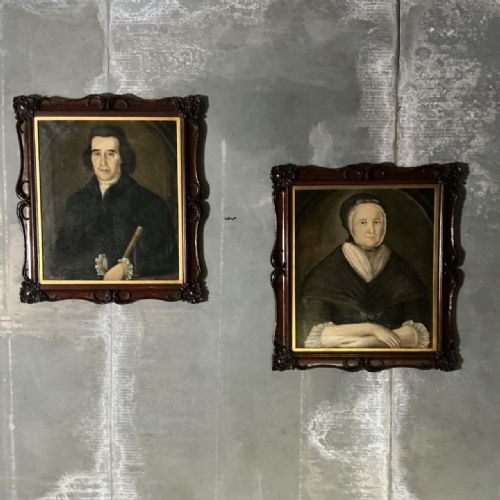
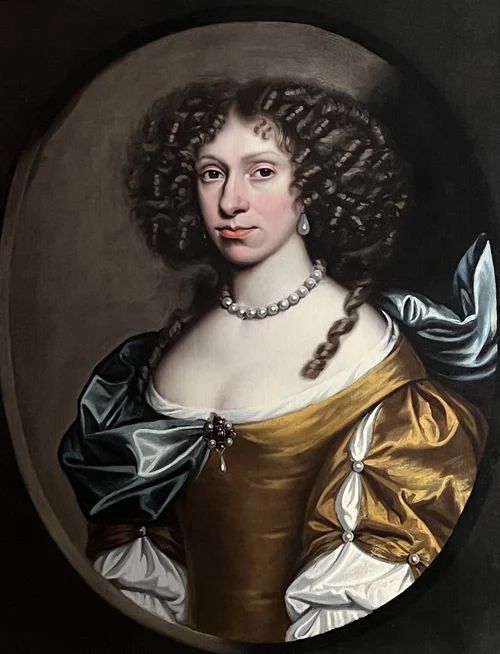
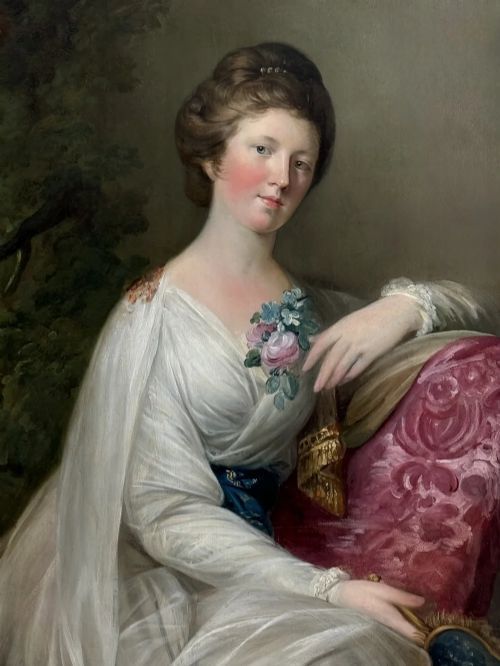
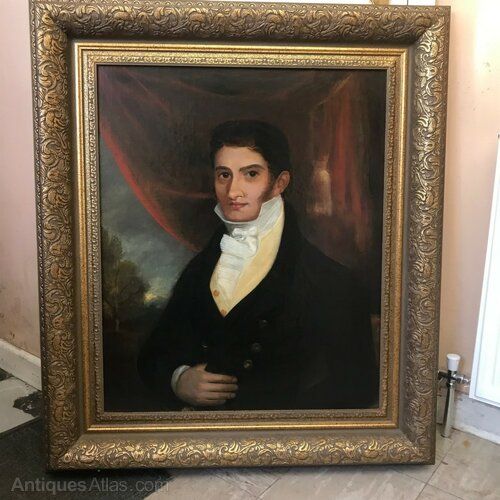
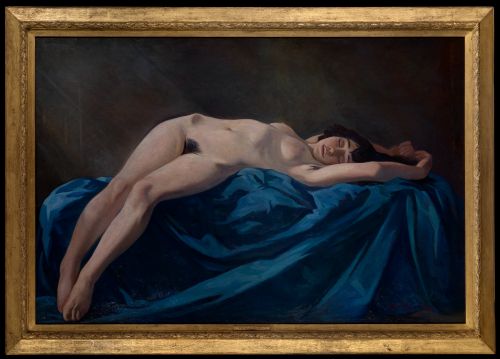
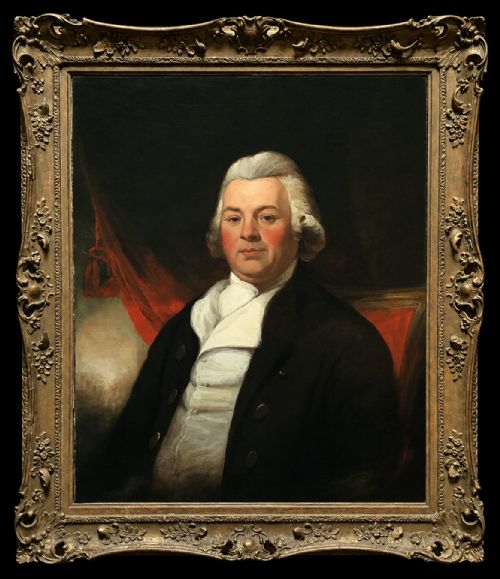
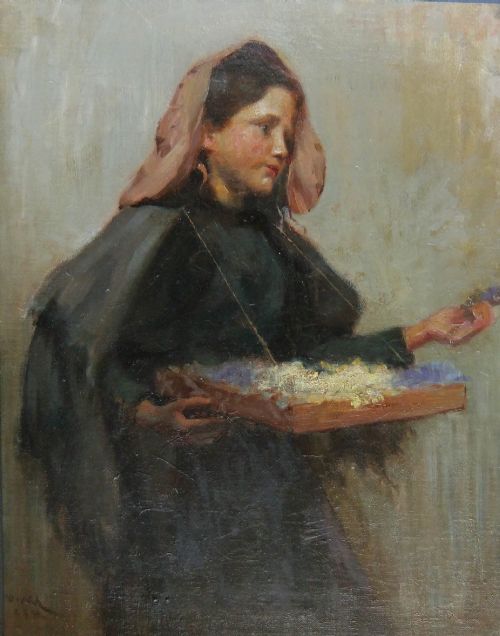
Scottish portrait painting spans works originating from the seventeenth century through to the mid-twentieth century, recording sitters from nobles and physicians to wool manufacturers and children. The selection includes full-scale oils on canvas, intimate portrait miniatures, painted silhouettes and watercolour studies.
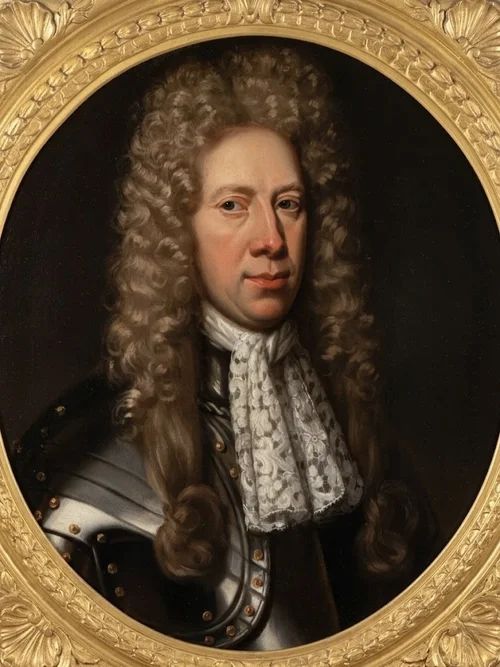
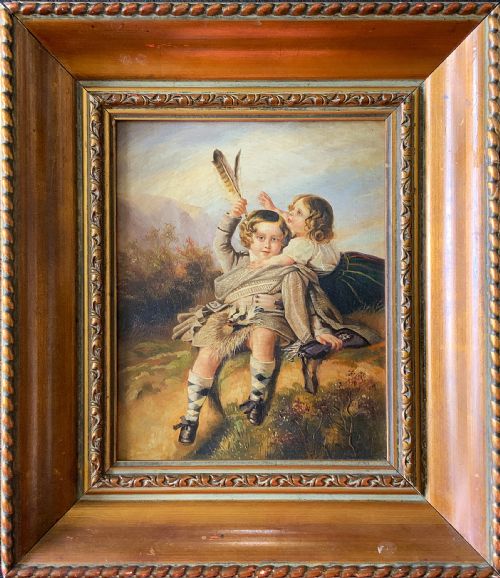
The material on this page leans heavily toward nineteenth-century and eighteenth-century canvases, alongside seventeenth-century works associated with workshops like that of David Scougall. Buyers will also find regional depictions featuring highland dress, military uniforms and domestic sitters.
How they were made
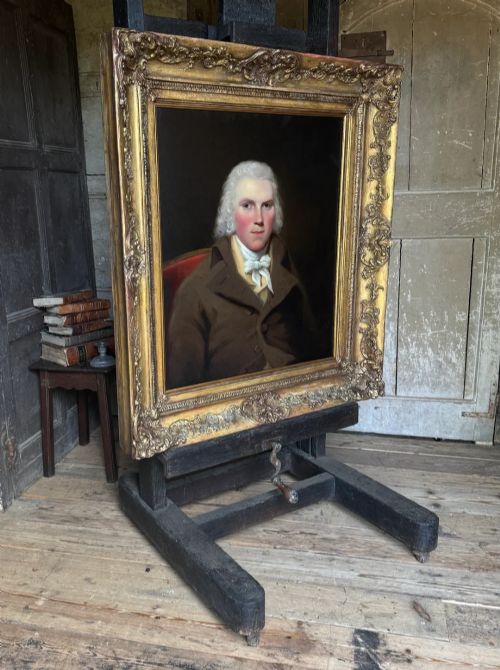
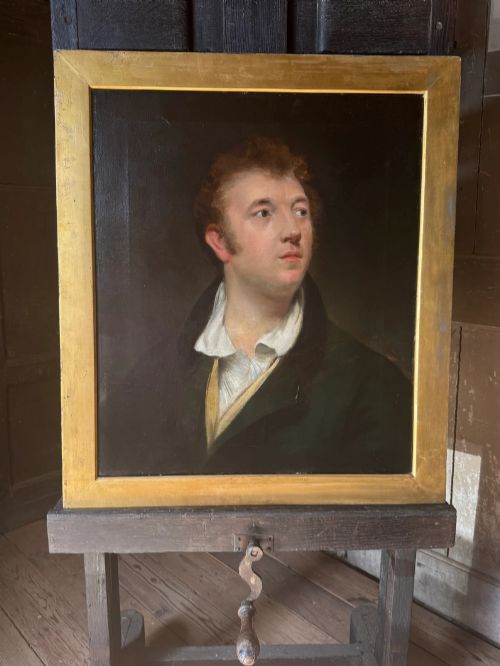
The primary medium recorded across these listings is oil paint applied to canvas or wood panels, often framed in giltwood or Hogarth mouldings. Watercolour and pastel on paper appear frequently in smaller interior studies and portrait miniatures.
Artists utilised traditional preparation methods, building up layers of pigment to capture the fabrics, lace collars and ceremonial tunics worn by the sitters. Gold leaf and glass are also present in the materials utilised for framing and delicate miniature works.
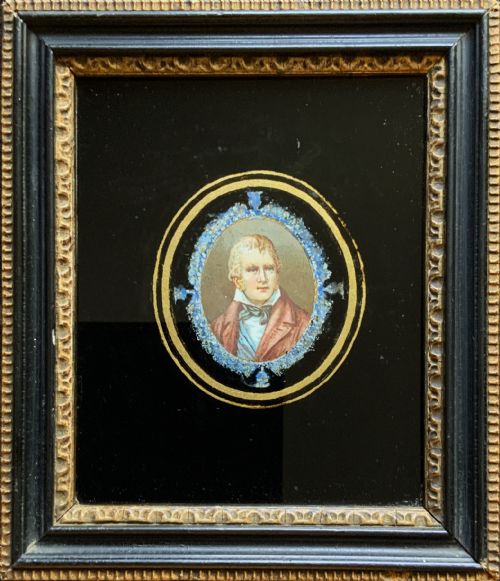
Listings incorporate 17th-century oils on canvas, 19th-century watercolours, and portrait miniatures protected by glass.
What varies in quality
The distinction between works rests upon the handling of the sitter's expression, the treatment of textiles such as tartan and velvet, and the preservation of the original canvas and stretcher. Listed works range from studio pieces by documented practitioners to broader examples from the Scottish School.
David Scougall·George Willison·John Scougall·James Howe·George Watson·Alan Ramsay·John Horsburgh·David Nicholson Ingles
The Scottish Portrait Painting Glossary
- Giltwood
- Wood carved and covered with a thin layer of gold leaf or gold paint. This finish is commonly found on antique frames surrounding oil paintings.
- Oil on Canvas
- Pigment mixed with drying oil applied to a stretched woven fabric support. This technique allows for rich colour blending and durability over centuries.
- Portrait Miniature
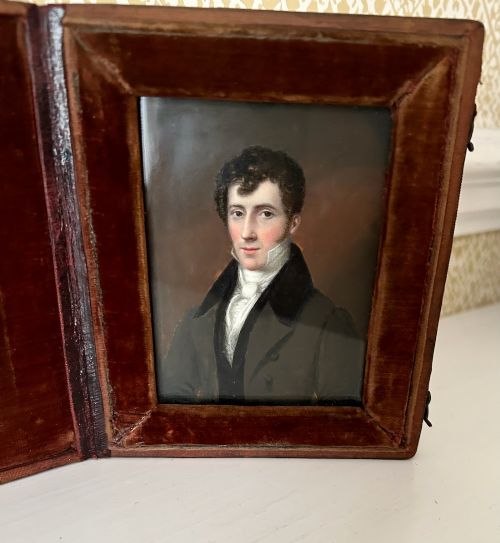
- A small, highly detailed painting executed on materials like ivory, vellum or card. These portable likenesses were frequently framed behind protective glass.
- Scottish School
- A designation for artists working in Scotland or influenced by Scottish academic traditions. It groups together regional painters whose individual hands may be anonymous.
- Baroque
- An artistic style characterised by drama, rich detail and deep shadow. In portraiture, this period often employs elaborate drapery and formal poses.
Scottish Portrait Painting: Frequently Asked Questions
What periods do these Scottish portraits cover?
The listings span from the seventeenth century through the Georgian, Victorian, and Edwardian eras up to the mid-twentieth century. Seventeenth-century works often feature formal sitters in armour or heavy collars, while later pieces capture sitters in everyday dress or highland attire.
The materials and clothing styles change visibly across these centuries, providing a clear visual record of shifting fashions and painting techniques in Scotland.
How were portrait miniatures displayed?
Portrait miniatures were created to be portable, often kept in small protective cases, pocket watches or hung in tight clusters on domestic walls. They relied on fine stippling and hatching techniques to achieve detail on a small scale.
Artists used watercolour, gouache or enamel on specialised supports, sealing the finished piece behind glass to prevent dust and moisture damage.
What is the Scottish School?
The Scottish School refers to generations of painters working within Scotland or sharing regional stylistic traditions rather than a single institution. These works often depict local notables, landscapes, or domestic interiors with distinct regional character.
Many pieces from this tradition remain attributed to the wider school when the individual artist's signature or documentation is missing.
How do I care for an antique oil painting?
Antique oil paintings require stable environmental conditions away from direct sunlight, extreme temperature shifts, and high humidity. Keeping the canvas out of damp areas prevents warping of the wood stretcher and cracking in the oil paint.
Dusting should be done gently with a soft, dry brush, avoiding any household cleaning liquids or water on the paint surface or giltwood frame.