
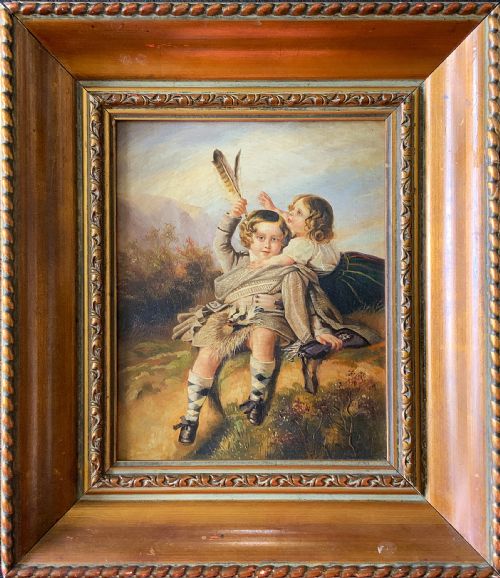


Scottish Portrait Oil Painting
A scottish portrait oil painting captures the likenesses of historical figures, nobility and ordinary folk through centuries of artistic tradition.
Scottish Portrait Oil Painting
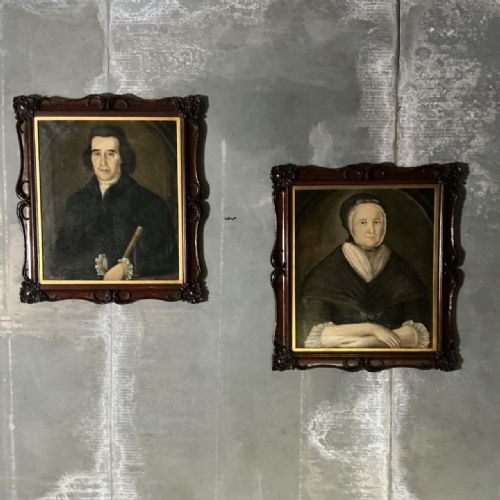
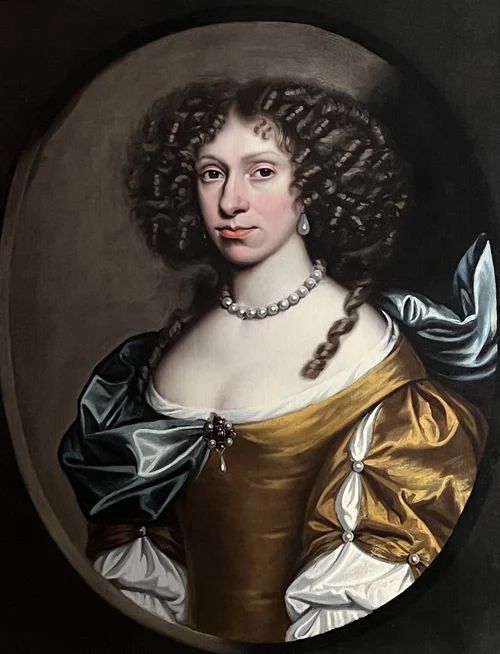
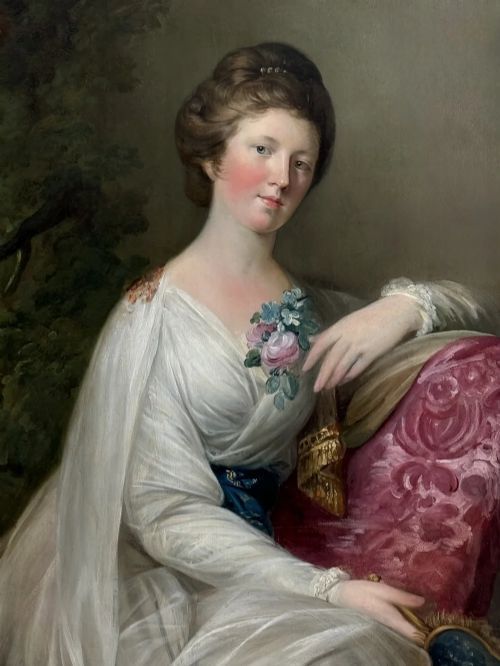
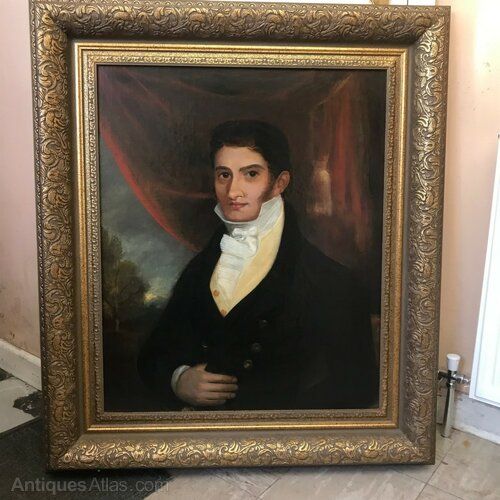
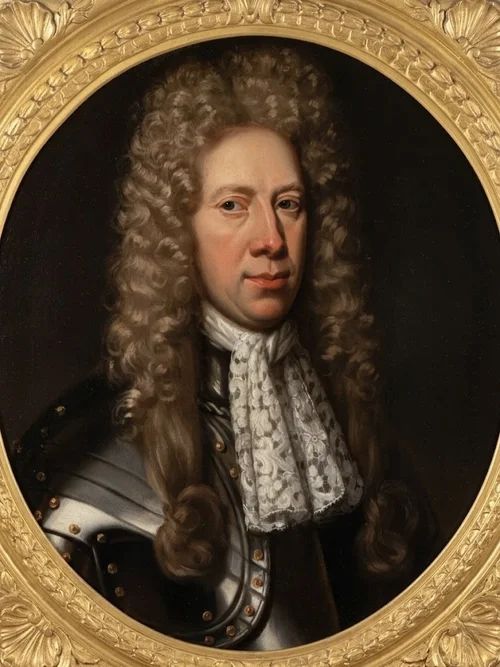
A scottish portrait oil painting captures subjects ranging from seventeenth century nobility in full armour to nineteenth century mill owners and clan children in tartan kilts. These works appear across periods spanning the seventeenth century through to the twentieth century, reflecting shifting social structures and artistic preferences.
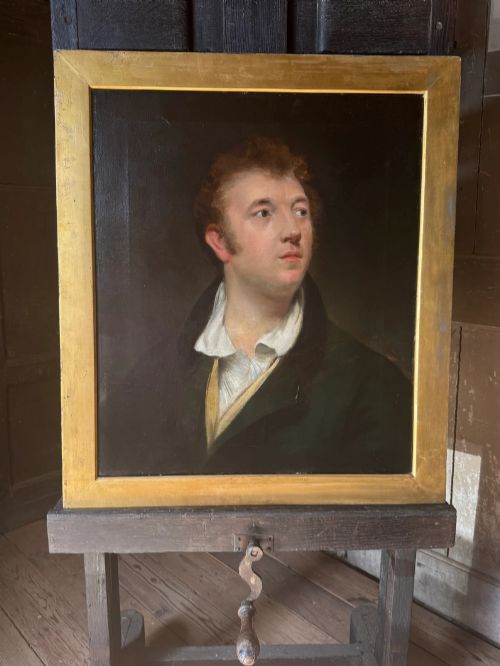
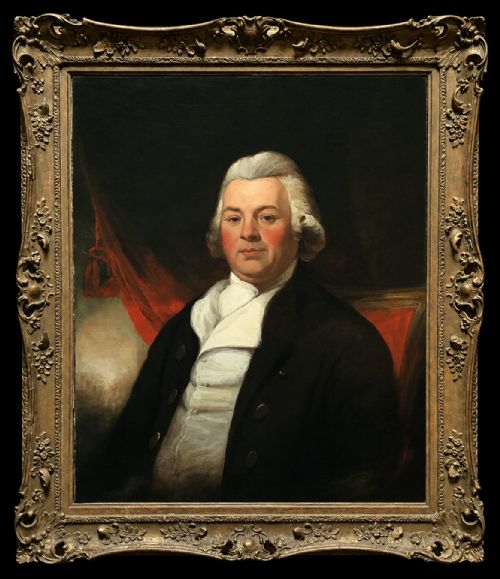
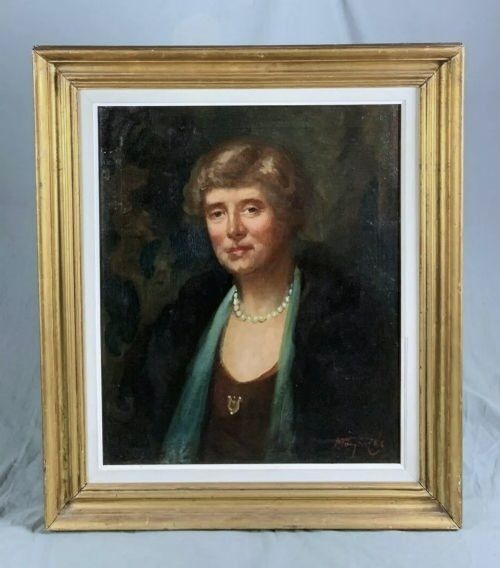
Most examples found on this page date from the eighteenth and nineteenth centuries, often showing named sitters with documented connections to Scottish families, professions or estates. The sitters frequently wear period dress, ceremonial red tunics or highland attire, providing visual records of historical fashion and status.
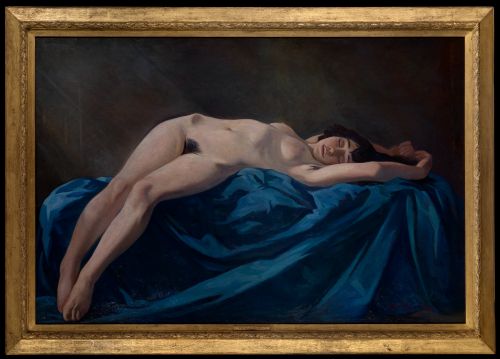
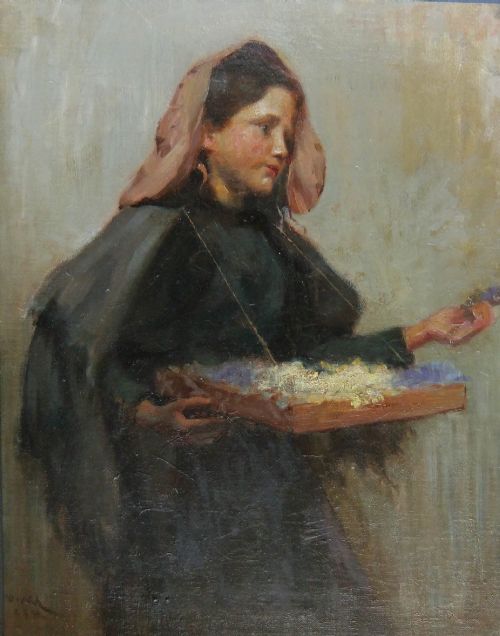
Alongside formal likenesses of physicians, merchants and ministers, the selection includes depictions of peasants, children and artists' models set against domestic or rural backgrounds. These canvases bridge formal portraiture and regional genre painting, anchored by their specific Scottish provenance and sitters.
Materials and methods
Artists painted these works primarily using oil paint applied to woven canvas supports, though surviving examples also utilise wood panels and canvas boards. The pigment layers built up rich surface textures, allowing painters to render the heavy fabrics of tartan kilts, velvet waistcoats and ceremonial uniforms with tangible depth.
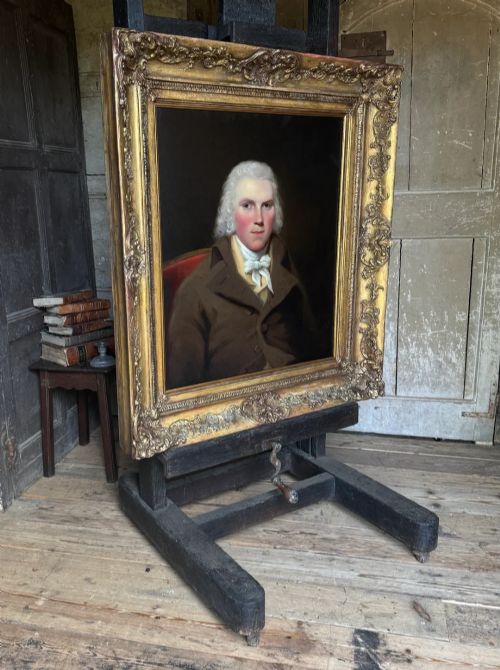
Many of the earlier seventeenth and eighteenth century canvases are housed within period giltwood frames finished with gold leaf, reflecting the status accorded to the sitters. The physical construction relies on traditional stretching techniques that accommodated the heavy paint layers and large formats typical of formal portraiture.
Several sitters share the frame with loyal family pets, ensuring that pampered sheepdogs and terriers gaze down from the centuries alongside Scottish nobility.
Assessing quality in portraiture
The distinction between works rests on the anatomical precision of the face and hands, the deftness of brushwork in rendering fabrics, and the psychological presence conveyed by the sitter. Finer examples capture subtle play of light across skin and drapery, whereas simpler provincial works rely on stiff formulas and flatter planes.
Authorship significantly influences standing within the field, with documented pieces by established artists or named studio circles commanding closer attention than anonymous school works. The preservation of the original paint surface and the historical integrity of the matching giltwood frame further distinguish superior survivals.
DAVID SCOUGALL·GEORGE WILLISON·JOHN SCOUGALL·JAMES HOWE·GEORGE WATSON·CHARLES JAMES MCCALL·JOHN HORSBURGH·ALAN RAMSAY·WILLIAM AIKMAN·JOHN MCGHIE
The Scottish Portrait Oil Painting Glossary
- Canvas
- A heavy woven fabric stretched across a wooden frame to serve as a support for oil paint. It provides the primary foundation for the vast majority of historical portraits listed here.
- Giltwood
- Wood carved and covered with a thin layer of gold leaf or metallic gilt powder. This material forms the ornate frames frequently paired with formal oil paintings.
- Circle of
- A designation indicating that a painting was produced by an unidentified artist working closely within the studio style of a master. It denotes proximity to a known hand without claiming direct authorship.
- Provenance
- The documented history of ownership and origin of an artwork. In these portraits, inscriptions on the reverse often establish this lineage.
Scottish Portrait Oil Painting: Frequently Asked Questions
How do I identify the sitter?
Many works bear inscriptions on the front or reverse naming the individual, alongside dates and professional titles. Archival records and family crests often help connect the portrait to specific historical figures.
When inscriptions are absent, clues within the clothing, military uniform, or heraldry provide reliable pathways to identifying the subject's social standing and era.
What periods are represented?
The inventory spans from the seventeenth century through the Victorian era and into the early twentieth century. Early examples feature seventeenth century nobility in armour, while later pieces capture nineteenth century merchants and children.
Stylistic shifts across these periods move from rigid baroque formality towards more naturalistic and impressionistic approaches in later Victorian and Edwardian works.
Are these works original?
The selection consists of original oil paintings executed on canvas, wood panel, or board during the periods specified in the listings. Some entries include historical copies or works produced after earlier masters, such as portraits of Robert Burns after Nasmyth.
Each listing records the specific medium and approximate date of creation, distinguishing period originals from later interpretations.
How should I care for an oil on canvas?
Display the canvas away from direct sunlight and dramatic fluctuations in temperature or humidity to prevent the paint layer from cracking or warping. Keep the surface free of dust using a soft, dry brush without applying liquid cleaners.
Retaining the original giltwood frame helps protect the edges of the canvas, though structural repairs to the stretcher or backing should be left to professional conservators.