



Scottish Impressionist Painting
Scottish impressionist painting captures the shifting light and rugged terrain of northern landscapes through spirited brushwork and atmospheric colour.
Scottish Impressionist Painting
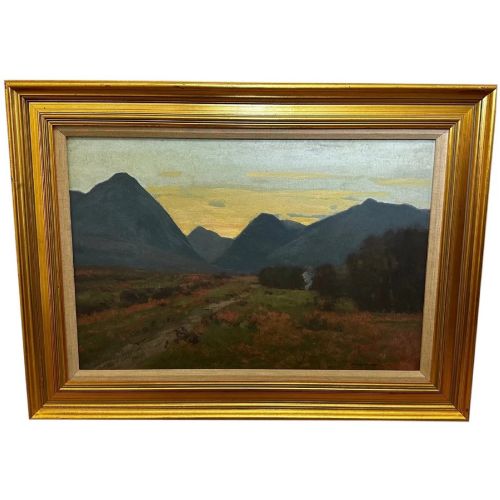
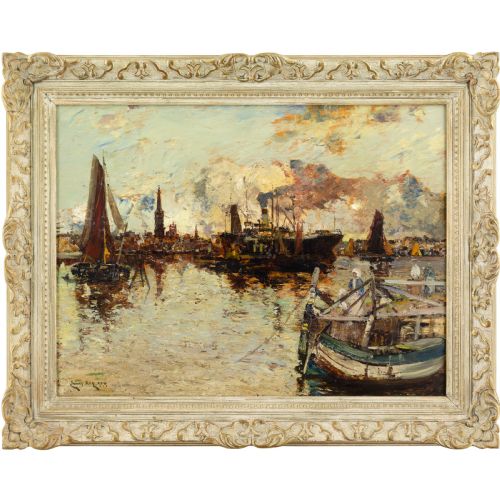
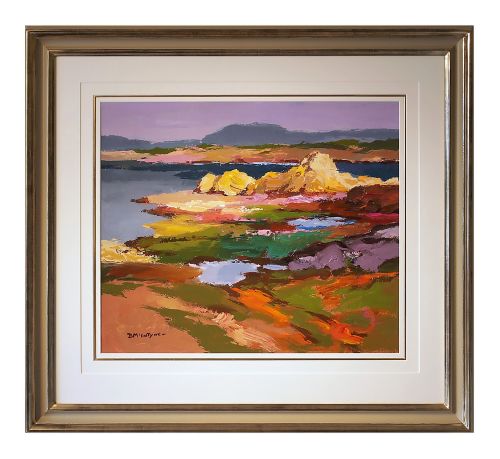
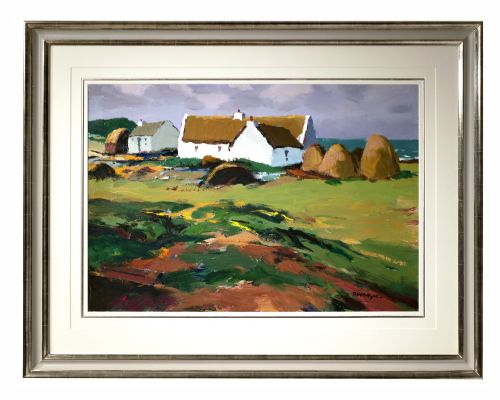
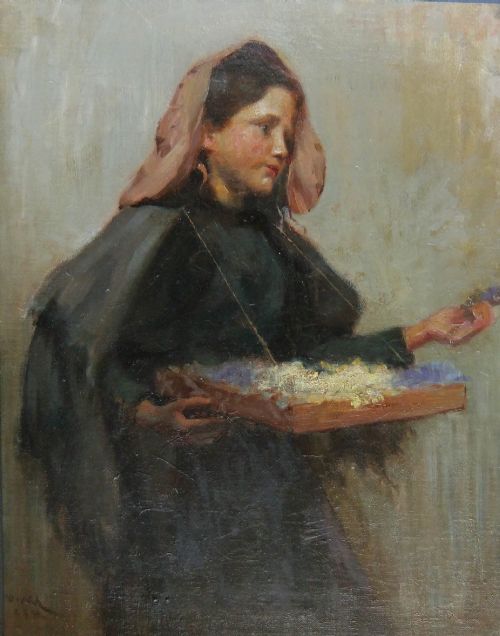
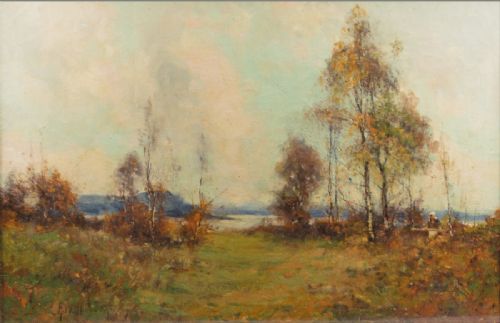
Scottish impressionist painting embraces subjects drawn from local landscapes, coastlines, and river views. These works capture specific atmospheric conditions using rapid, visible brushstrokes and a vibrant palette.
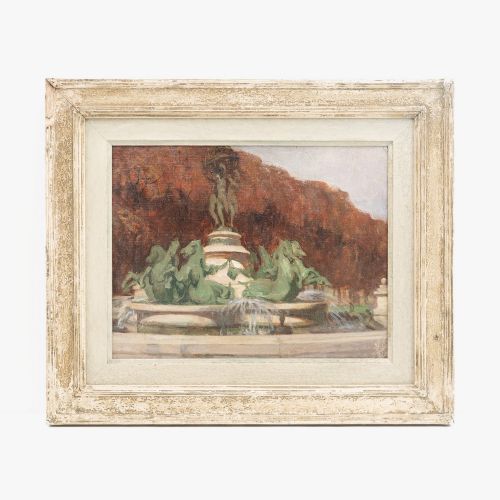
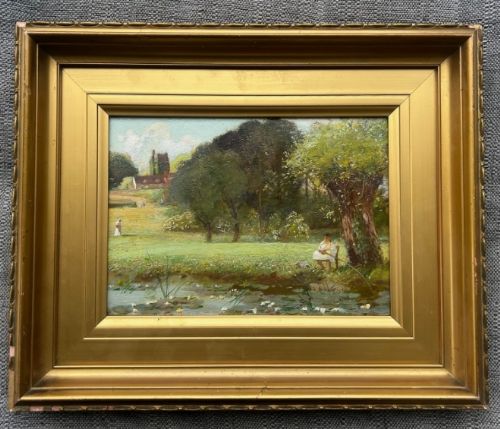
You most frequently meet pieces executed in oil paint upon wood boards or canvas. The framing typically consists of timber or moulded wood frames, often carrying a gilded finish that complements the composition.
The surviving works span from the nineteenth century through the early decades of the twentieth century. Examples range from snow-capped mountain vistas and river scenes to windswept landscapes and seascapes.
How They Were Made
Artists apply oil paint directly to traditional supports such as canvas or prepared wood boards. The technique relies on loaded brushes and impasto application, building tactile layers of pigment that give the surface physical depth and texture.
The finished works find protection within robust wooden structures, including timber frames and moulded wood housings. Many frames receive a gilded finish, enhancing the visual weight of the artwork.
Scottish Impressionist Painting Retail Price Guide 2026
Typical asking prices for scottish impressionist painting among the pieces listed under this phrase on Sellingantiques today, from the lower quarter to the upper quarter. They describe what is for sale here now, not the wider market.
The documented periods span the nineteenth century and the early decades of the twentieth century.
What Varies in Quality
Quality rests upon the confidence of the brushwork and the artist's ability to manipulate thick impasto pigment to convey movement and light. Superior examples display a decisive handling of paint that suggests atmosphere rather than merely recording topography.
The harmony of the frame further distinguishes the piece. Original timber or moulded wood frames with appropriate gilded finishes contribute significantly to the integrity of the overall presentation.
Alexander Jamieson·Robert Macaulay Stevenson·James Kay·Helen Monro Turner
The Scottish Impressionist Painting Glossary
- Impasto
- Paint applied thickly to a canvas or board, standing out from the surface so that the marks of the brush or palette knife remain visible. This technique adds tactile dimension and captures light dynamically.
- Oil on Board
- A traditional painting method where oil pigments are applied directly to a rigid wooden substrate rather than woven fabric. It offers a stable surface favoured for plein air execution.
- Gilded Finish
- A decorative coating of gold leaf or metallic paint applied to the surface of a frame. It provides a luminous border that isolates and elevates the artwork within.
- Timber Frame
- A structural enclosure built from solid wood to house and protect a painting. These frames range from simple mouldings to elaborate architectural designs.
Scottish Impressionist Painting: Frequently Asked Questions
What defines a Scottish impressionist painting?
These works are characterised by their energetic application of oil paint, often using impasto techniques to render landscapes, rivers, and coastal scenes. They focus on fleeting effects of light and weather across northern terrains.
The materials typically involve oil on canvas or board, housed within timber or moulded wood frames that frequently feature gilded finishes.
How should I display these paintings?
Selecting a wall with stable humidity and indirect lighting protects the oil pigments and the wooden support structures. Keeping the piece away from direct heat sources preserves the integrity of both the board and the frame.
Allowing sufficient space around the frame lets the energetic brushwork and atmospheric palette command attention without visual competition.
What periods do these artworks cover?
The available selection spans from the nineteenth century through the early twentieth century, encompassing works dated around nineteen-ten, nineteen-twenty, and nineteen-thirty. Mid-century examples also appear.
This timeline captures the evolution of regional painting styles as artists moved away from strict academic realism toward looser, more expressive interpretations of the landscape.
How do I care for an oil on board?
Dust the surface gently with a soft, dry brush to prevent particulate accumulation on the textured impasto layers. Avoid liquid cleaners entirely, as moisture damages both the wooden board and the oil paint.
Inspect the timber frame periodically to ensure the housing remains secure and the gilded finish stays stable.