



Scottish Impressionist Art
Scottish impressionist art captures northern light and landscape with oil paint on canvas or board.
What They Are
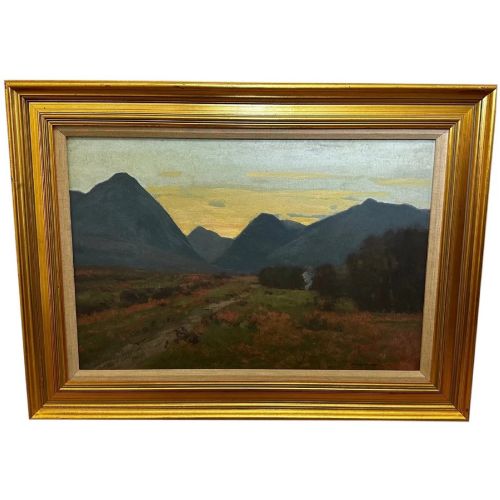
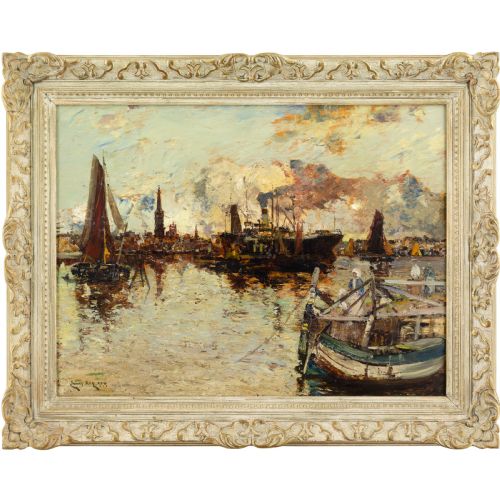
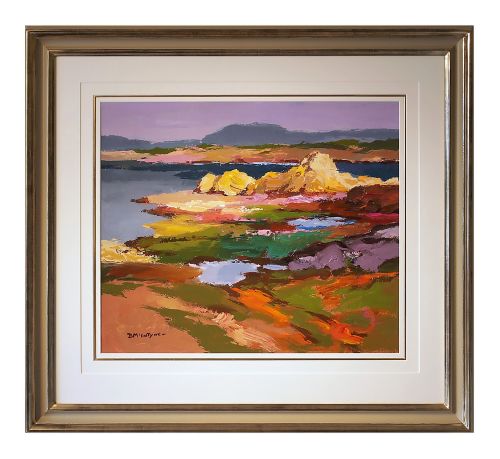
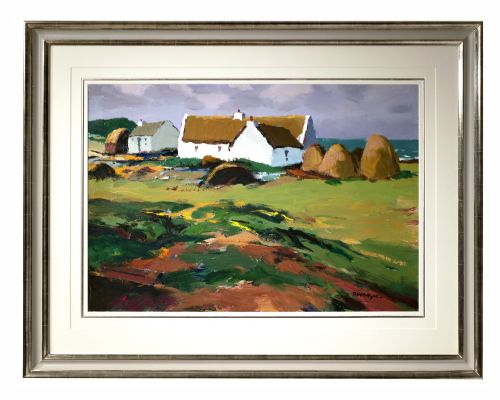
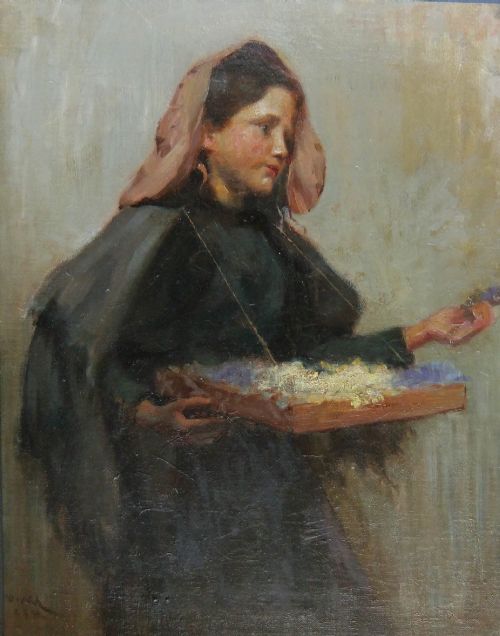
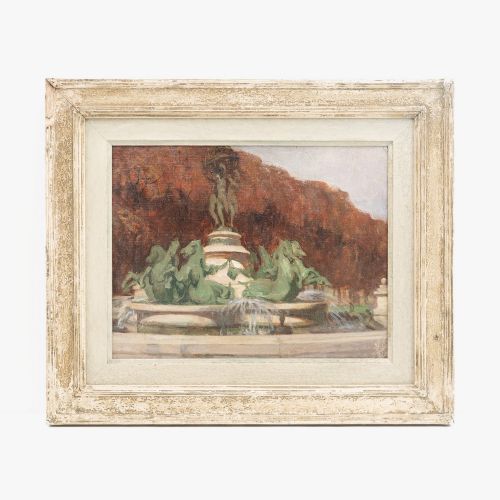
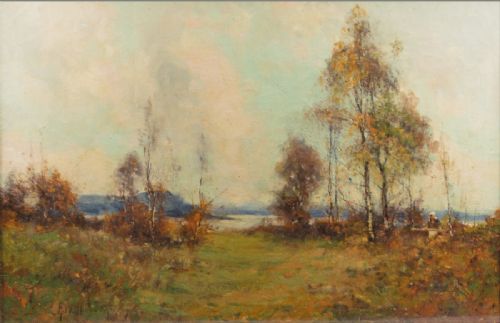
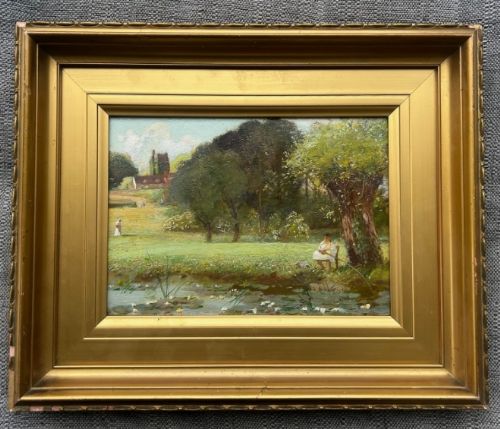
Scottish impressionist art encompasses oil paintings created across several decades, including Victorian examples alongside mid-century works. These pieces focus primarily on landscapes, rural scenes and golf courses rendered in an impressionistic manner.
The version most commonly met on this page is the oil painting on canvas or board, often framed in wood with gesso and gold leaf. These works originate from named artists working within specific periods spanning the late nineteenth century to the mid-twentieth century.
How They Were Made
Makers applied oil paint to surfaces such as prepared canvas and wooden board, sometimes utilising thick impasto techniques to build surface texture. Frames were typically constructed from wood and finished with gesso and gold leaf.
Artists captured light and atmosphere outdoors or in the studio, employing expressive brushstrokes characteristic of impressionism. The physical support and framing materials reflect the standard practices of British picture framing and painting during these periods.
Retail Price Guide 2026
Typical UK retail prices for scottish impressionist art, calculated from the Sellingantiques database of over a million retail prices indexed since 2003. This retail price guide relies exclusively on Sellingantiques data; no external sources or auction records are used, so the figures do not describe the wider market.
Frames incorporate traditional wood construction finished with gesso and gold leaf.
What Varies in Quality
The distinction between standard works and finer pieces rests in the handling of light, brushwork confidence and compositional balance. Stronger examples demonstrate a confident application of oil paint that captures the specific atmospheric conditions of the Scottish landscape.
Framing also influences the overall presentation, with original or period-appropriate wood frames finished in gesso and gold leaf elevating the piece. The depth of the artist's engagement with the subject matter separates routine topographical records from accomplished impressionist painting.
Alexander Wellwood Rattray·William Grant Murray·Robert Russell MacNee·Sir David Murray·George Neil
The Scottish Impressionist Art Glossary
- Impasto
- Oil paint applied in thick layers that stand out from the surface. This technique leaves visible brush or palette knife marks which catch the light.
- Gesso
- A plaster mixture applied to wood framing before gilding. It provides a smooth base for gold leaf application.
- Gold Leaf
- Gold beaten into extremely thin sheets used for gilding picture frames. It adds a reflective metallic finish to the wood moulding.
- Board
- A rigid wooden panel used as a painting support instead of stretched canvas. Artists frequently utilised board for smaller plein air works.
Frequently Asked Questions
What periods do these paintings cover?
The works span from the Victorian era through the early decades of the twentieth century up to the mid-century period. This timeline shows the evolution of impressionistic techniques among Scottish artists.
Dating relies on recorded artist lifespans and stylistic markers found within the specific titles and listed periods.
What materials were used?
Artists utilised oil paint applied to supports made from canvas or wooden board. Frames were typically built from wood and finished with gesso and gold leaf.
These traditional materials ensure durability when the works receive proper care and stable environmental conditions.
How should I hang them?
Display these oil paintings away from direct sunlight and fluctuating heat sources to protect both the canvas and the gilded wooden frames. Secure picture wire to sturdy wall fixings suited to the weight of the frame.
Proper placement prevents warping of wooden boards and protects the oil paint from environmental damage.
What subjects appear most often?
River landscapes, farmyards, mountain ranges like the Grampians and local scenes such as golf courses dominate the available subjects. These rural views reflect the traditional focus of Scottish plein air painting.
Artists drew inspiration from the distinct topography and changeable weather of the Scottish countryside.