


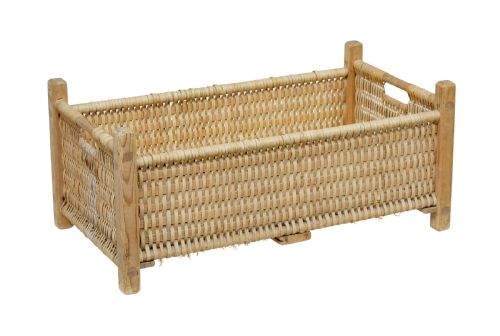


Scandinavian Pine Box
A scandinavian pine box brings robust utility and traditional folk art directly into modern interiors.
Scandinavian Pine Box
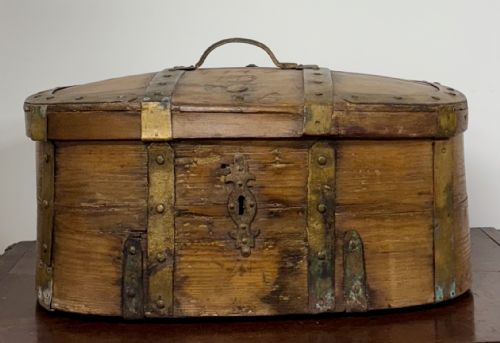
The forms vary from small tabletop boxes and oval strong boxes to large dome-top blanket chests and fitted storage bins. Regional variations incorporate Swedish folk art aesthetics, Gustavian restraint, and rustic farmhouse utility.
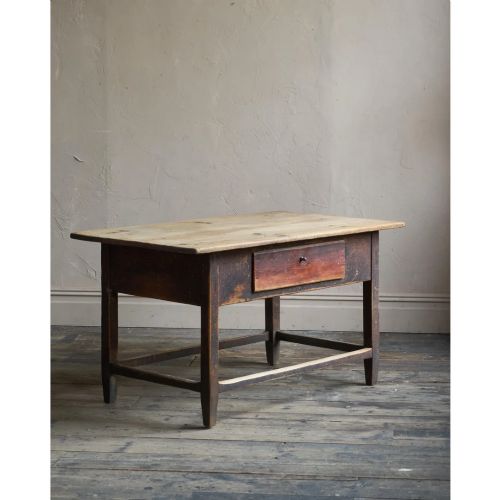
Beyond standard chests, related items such as pine baskets, log bins, and storage benches also appear within these traditions. These pieces reflect the practical domestic storage needs of rural Scandinavian households.
How they were made
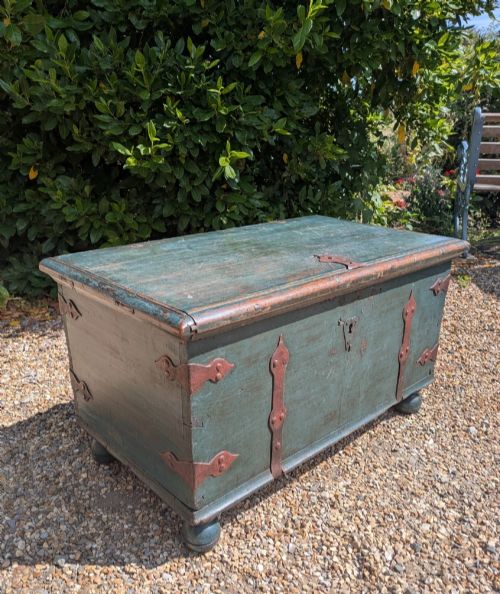
Constructed primarily from solid pine, these pieces rely on traditional joinery reinforced by hand-forged iron strapwork, brass details, and wrought iron hardware. Artisans shaped the wood into sturdy planks for domestic transport and secure household storage.
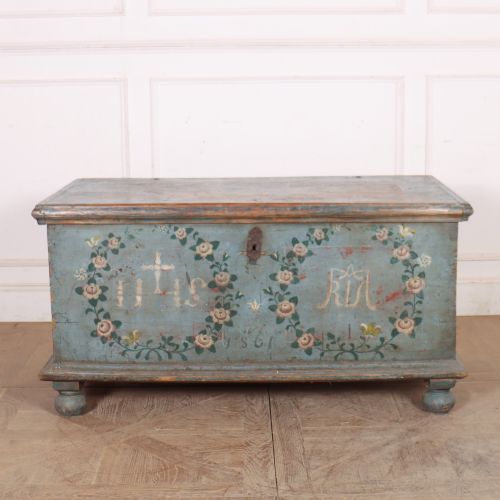
Many surfaces feature layers of paint and pigment applied to create painted finishes, grained effects, and intricate folk art motifs. Oval boxes often utilise bentwood techniques to achieve their curved profiles.
Some nineteenth-century strong boxes feature complex internal locking mechanisms hidden beneath ingenious wooden decoy panels.
What varies in quality
The distinction between tiers rests upon the preservation of original pigment and the sophistication of the hand-painted folk art decoration. Pieces retaining untouched, early paint surfaces command greater interest than those stripped or repainted later.
Structural integrity also separates examples, particularly the quality of hand-forged iron strapwork and the tightness of dovetailed or pegged joints. The refinement of proportion in shaped strong boxes and dome-top coffers dictates the upper tier.
The Scandinavian Pine Box Glossary
- Pine
- A softwood commonly used throughout Scandinavian furniture making for its accessibility and workability. It forms the primary structural body of these boxes and chests.
- Marriage chest
- A large ceremonial storage chest often commissioned to mark a wedding and decorated with specific folk art motifs or dates. These pieces frequently served as dowry containers.
- Coffer
- A heavy wooden chest traditionally used for storing valuables or documents, typically fitted with a secure lid and iron hardware. Many examples feature dome tops to shed dust and water.
- Strong box
- A robust storage box reinforced with heavy iron strapwork or bands for security during transport or home use. They often include internal compartments and specialised locking mechanisms.
- Folk art
- Traditional decorative styles and craftsmanship produced by rural artisans outside academic art circles. In these listings, it describes hand-painted motifs adorning the pine surfaces.
- Gustavian
- The Swedish interpretation of neoclassical design, characterised by lighter proportions, restrained carving, and pale painted finishes. This style emerged during the late eighteenth century.
Scandinavian Pine Box: Frequently Asked Questions
How were these boxes used?
These boxes served primarily for domestic storage, holding textiles, clothing, documents, and valuables in rural Scandinavian homes. Larger marriage chests functioned as essential dowry containers gifted during weddings.
Strong boxes provided secure containment for precious items, while smaller caskets and boxes kept personal belongings organised. Everyday utility dictated their robust construction and heavy iron hardware.
Are the painted finishes original?
Many pieces retain their original nineteenth-century or eighteenth-century paint and pigment layers, showcasing authentic regional folk art. Close inspection reveals natural wear, patination, and the characteristic crazing of aged oil-based paints.
Some items exhibit later repainting or touch-ups applied during their long working lives. Buyers often examine the surface texture and pigment depth to determine historical continuity.
How do I date a pine box?
Dating relies on construction methods, hardware types, and stylistic indicators recorded across the periods. Hand-forged iron strapwork, pegged joinery, and specific regional motifs help anchor pieces within the eighteenth or nineteenth centuries.
Marriage chests frequently bear painted dates or initials that provide a precise point of origin. Archival comparisons with dated examples further clarify the timeline.
Where did these pieces originate?
The inventory originates predominantly from Sweden and broader Scandinavian regions, reflecting distinct local craftsmanship. Rural workshops produced these items to satisfy regional domestic requirements.
Stylistic markers such as Gustavian restraint or Swedish folk art patterns point directly to specific Scandinavian design traditions. Geography heavily influenced the decorative vocabulary applied to the pine surfaces.
How do I care for antique pine?
Antique pine requires stable indoor humidity levels to prevent the wood from drying out or splitting. Direct sunlight should be avoided to protect original painted surfaces and pigments from fading.
Gentle dusting with a dry cloth preserves the fragile patination. Avoid harsh chemical cleaners that might strip historical finishes.