


Rustic Wood Bin
A rustic wood bin brings tactile warmth and practical storage to a room, drawing on decades or centuries of utility.
Rustic Wood Bin
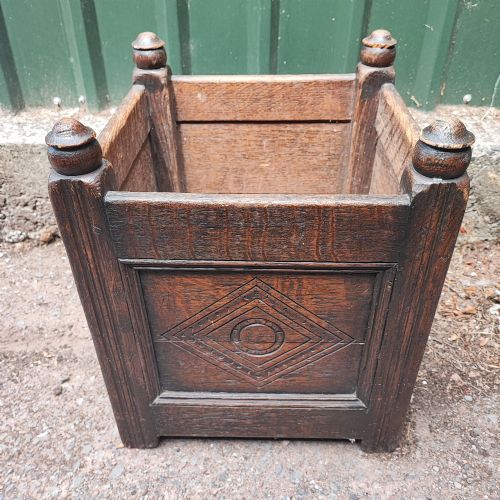
A rustic wood bin serves as a practical vessel for holding logs and fuel by a hearth, taking forms such as chests, boxes, and baskets. When seeking a rustic wood bin, buyers encounter pieces shaped from natural timbers designed for heavy domestic service.
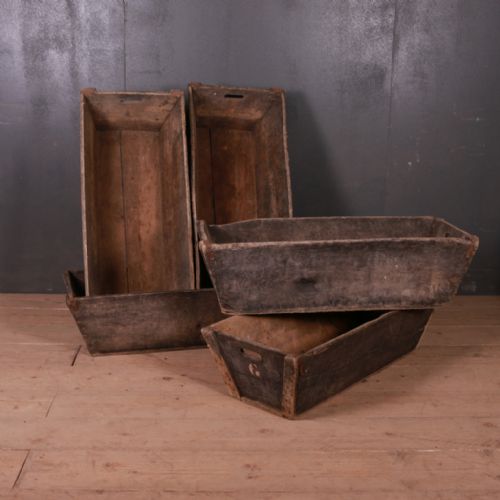
The pieces on offer span the nineteenth century up to nineteen twenty, incorporating regional styles like Scandinavian, French, and Victorian country. Formats range from dug out tree trunks and harvest troughs to iron-banded storage boxes and wheeled trolleys.
Materials and construction methods
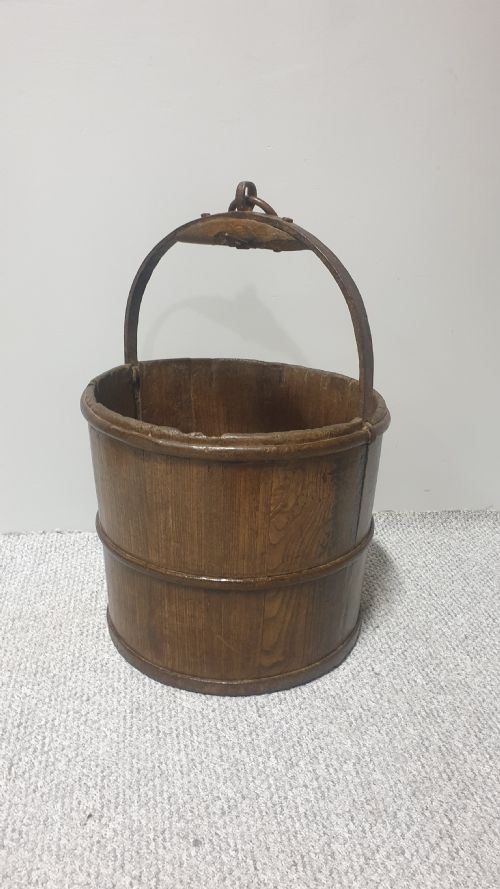
Construction relies heavily on sturdy hardwoods and softwoods including oak and pine, often joined to endure heavy loads of timber. Many examples incorporate iron or steel bands and hardware to reinforce the wooden structures against daily wear.
Surface finishes vary from bare timber showing the natural grain to original paintwork that records the age and provenance of each container. Dug out tree trunk variations demonstrate hollowed construction techniques from earlier periods.
Among the heaviest containers are dug out tree trunks, reminding us that some storage bins started life as entire trees.
Assessing craftsmanship and character
Quality rests in the integrity of the timber and the honesty of the construction, distinguishing robust daily utilities from lighter decorative items. Thicker planks, original iron reinforcements, and well-preserved surface patinas elevate the standing of a piece.
Regional distinctiveness also plays a part, where specific Scandinavian or French proportions and original paint finishes offer greater visual character. Pieces retaining their functional hardware, such as wheels or handles, demonstrate superior utility.
The Rustic Wood Bin Glossary
- Log bin
- A sturdy container designed specifically for storing firewood near a fireplace. These vessels prioritize durability and accessibility.
- Pine
- A softwood commonly used in Scandinavian and country furniture for its workability and light grain. It takes paint and wax finishes readily.
- Oak
- A dense, durable hardwood prized in antique construction for its strength and resistance to decay. It forms the backbone of many nineteenth century boxes.
- Patina
- The surface sheen and colour developed over years of handling, exposure, and polishing. It serves as a key indicator of age and authenticity.
Rustic Wood Bin: Frequently Asked Questions
What were rustic wood bins used for originally?
These containers were built for heavy domestic tasks, primarily holding firewood and logs near hearths in farmhouses and country homes.
Some variations also served general storage duties or agricultural transport, such as harvest troughs and grape bins used in rural settings.
How do I care for an antique wood bin?
Keep wooden bins away from direct heat sources and drastic temperature shifts to prevent the timber from splitting or warping over time.
Apply a gentle beeswax periodically to nourish dry wood and maintain the natural patina without stripping historical surfaces.
How can I tell the period of a wooden bin?
Dating relies on examining the construction marks, timber preparation methods, and any accompanying ironwork or hardware used in the assembly.
Comparing the stylistic traits, such as Scandinavian painted finishes or Victorian oak framing, helps place the piece within the nineteenth or early twentieth century.
Are these bins suitable for modern living rooms?
Their traditional sizes and robust construction make them ideal for holding logs beside contemporary fireplaces or organising blankets and magazines.
They introduce textural contrast and historical character into modern interiors while retaining their original utilitarian function.