




Antique Hearth Log Basket
An antique hearth log basket brings texture and warmth beside an open fire, combining practical fuel storage with the weight of history.
Antique Hearth Log Basket
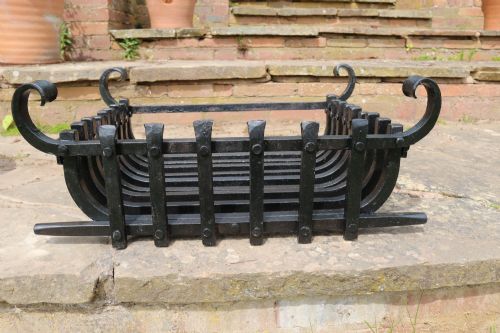
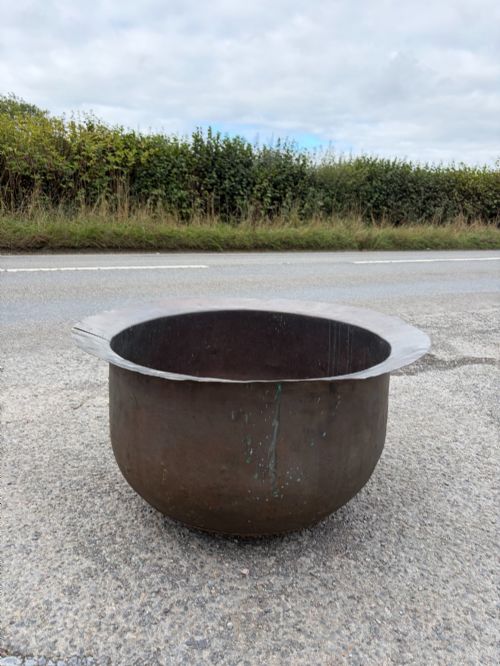
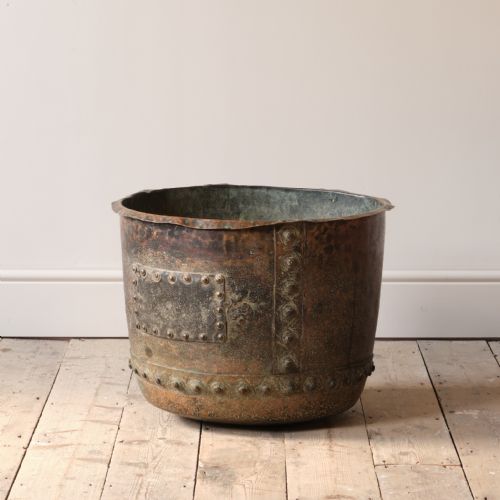
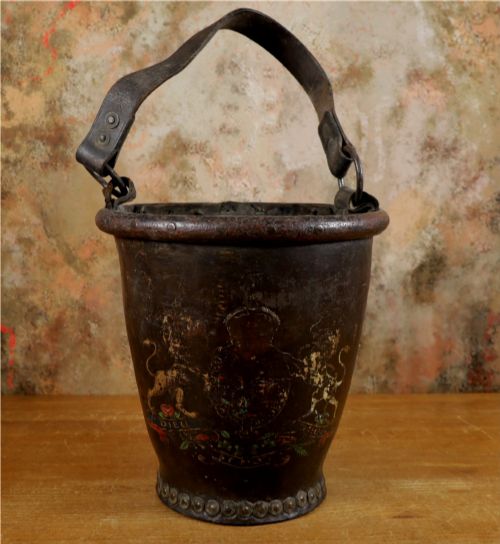
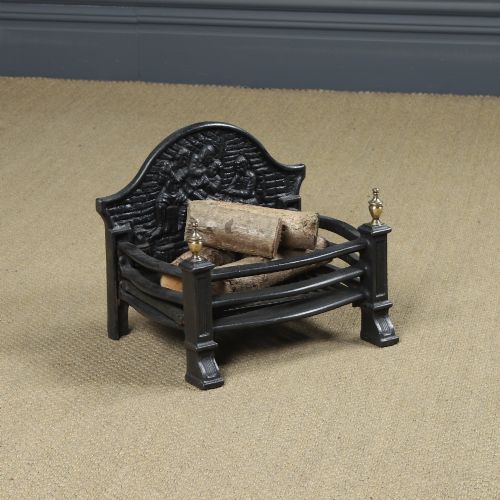
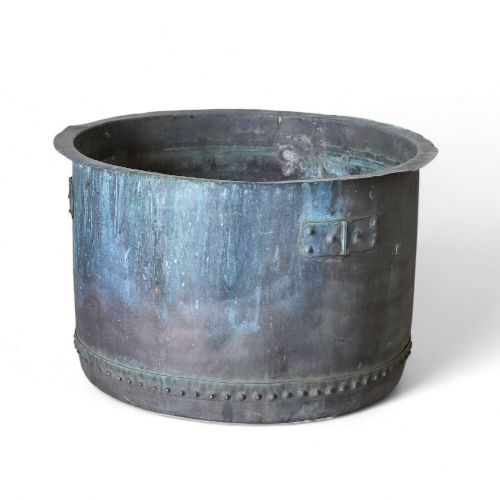
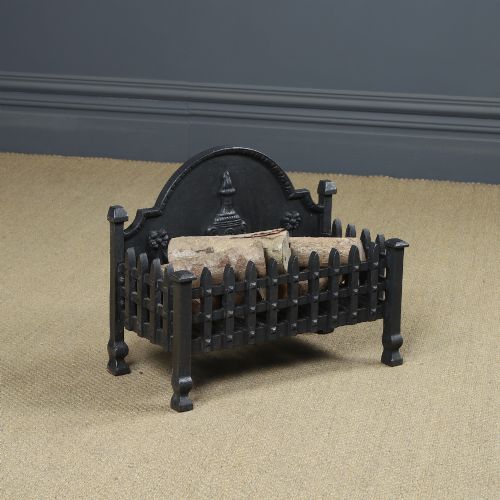
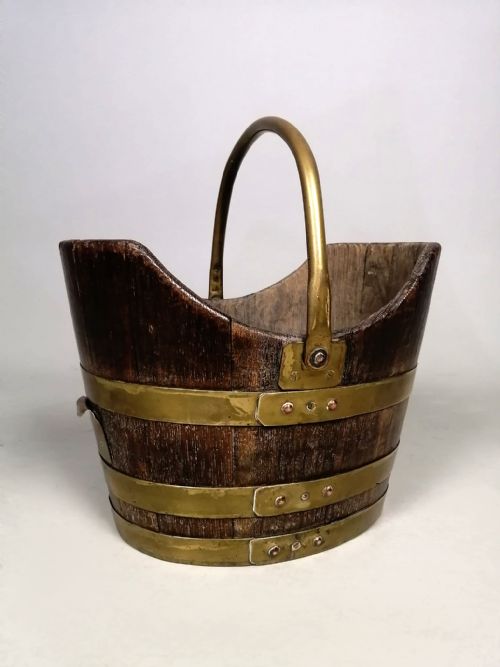
An antique hearth log basket spans several centuries of fireside utility, taking the form of metal bins, open grates, and woven vessels designed to hold wood near the fireplace. The listings on this page centre on heavy copper pots, cast iron fire baskets, and brass-banded buckets originating from Georgian, Victorian, and Edwardian periods.
Buyers encounter robust metal containers alongside occasional Scandinavian pine and woven vessels, all built to handle the heavy demands of daily fuel storage. These pieces bridge the gap between functional hearth equipment and decorative metalwork, reflecting the interior tastes of their respective eras.
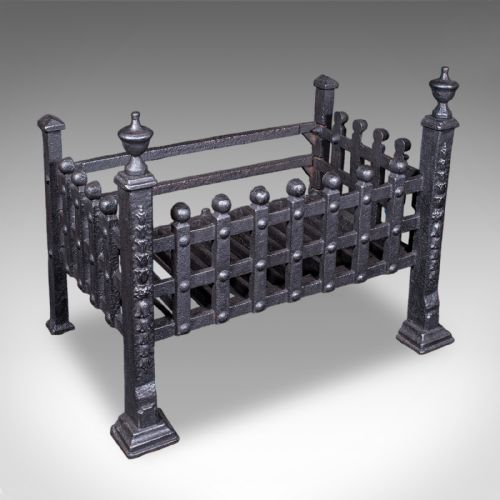
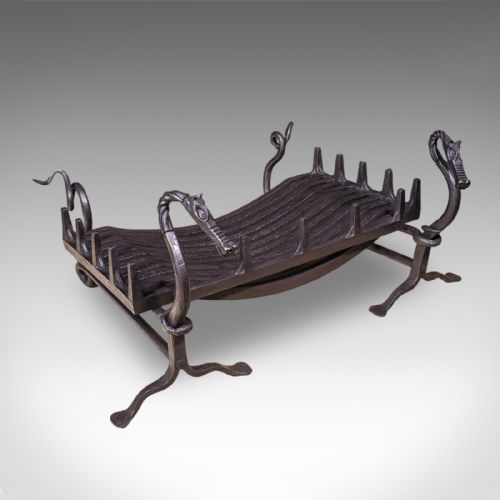
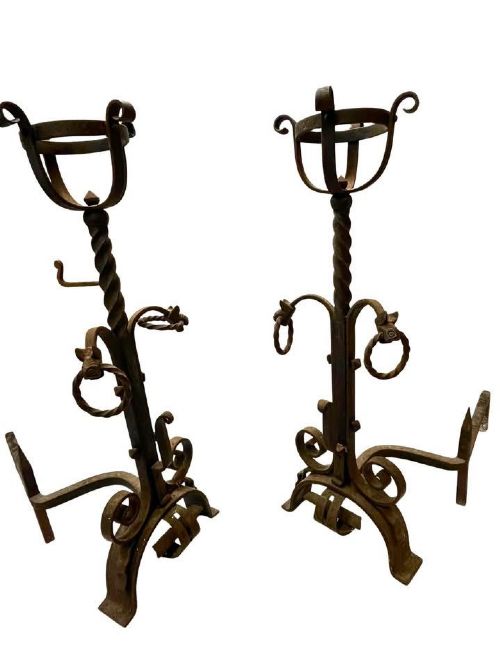
The objects vary from simple riveted copper vessels intended for logs to elaborate cast iron grates framed by andirons. Selecting the right version depends on whether the hearth requires a freestanding container for fuel or a structural basket designed to burn wood directly.
Materials and construction
The construction of these pieces relies heavily on hammered and riveted sheet metal, particularly copper and brass joined by hand. Smiths formed deep vessels and cauldrons with iron swing handles, adding sturdy framing to support heavy loads of timber and coal.
Cast iron techniques defined the fire grates and baskets, allowing for decorative motifs in Gothic, Neo-Classical, and Arts and Crafts styles. Wrought iron provided the skeletal strength for fire baskets and companion stands, while pine and leather offered alternative, flexible storage options.
Object types range from fire baskets and coal bins to planters and large cauldrons with wrought iron swing handles.
Judging quality and craftsmanship
Quality in these hearth accessories rests on the integrity of the materials and the honesty of the construction. Hand-riveted joints, heavy-gauge copper walls, and substantial iron framing separate the sturdiest vessels from lighter decorative items.
A superior piece shows balance in its proportions and purposeful weight, particularly in cast iron grates and brass-banded buckets. The natural patina accumulated through decades of fireside use adds depth without obscuring the original hand-finished details.
Petrus Ramus
The Antique Hearth Log Basket Glossary
- Fire Basket
- A metal grate designed to hold burning wood or coal within a fireplace. These units often sit on legs or incorporate andirons to elevate the fuel for better airflow.
- Coal Scuttle
- A specialised bucket or container designed for carrying and storing coal near the hearth. Many feature a hinged lid and a swinging handle for balanced pouring.
- Andirons
- Horizontal metal bars supported by vertical legs, placed in a hearth to hold logs above the floor of the fireplace. They frequently accompany fire baskets in larger hearth sets.
- Patina
- The surface sheen and colour developed on metals and woods through age and use. A rich natural patina indicates unpolished or gently aged surfaces.
- Cauldron
- A large rounded metal pot with a wide opening and a swing handle. In a hearth context, these heavy vessels were adapted to store generous quantities of logs.
Antique Hearth Log Basket: Frequently Asked Questions
How were antique log baskets used?
These vessels served the daily purpose of holding, drying, and transporting firewood or coal right beside the hearth. They kept fuel close at hand while containing loose bark and debris.
Larger metal pots and buckets managed heavy loads of timber, while smaller baskets held kindling for quick fire-starting.
How do I clean copper log bins?
Most collectors prefer to leave the accumulated natural patina untouched, as it shows the true age of the metal. Gentle dusting with a dry cloth is usually sufficient for regular maintenance.
Strong chemical polishes strip away the historical surface character and are generally avoided by experienced buyers.
What periods do these pieces date from?
The inventory spans the Georgian era through to the early twentieth century, taking in Victorian and Edwardian manufacturing styles. Earlier pieces often feature hand-riveted copper and simple ironwork.
Later items from the Arts and Crafts period introduce medieval revival designs and distinctive surface textures.