
Antique Oak Tub
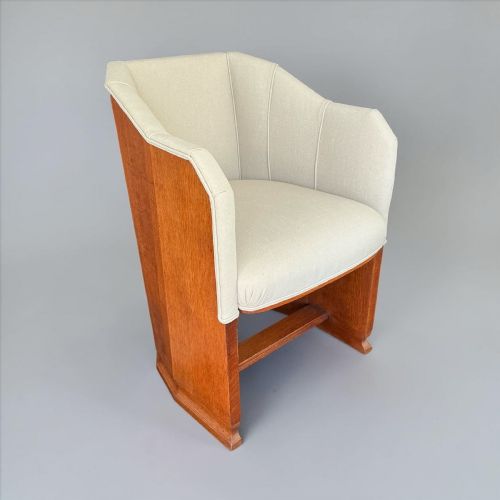
An antique oak tub brings curved lines and solid construction into a room, offering supportive seating or practical storage shaped by decades of use.
How they were made
The construction relies heavily on solid oak, frequently paired with secondary timbers such as beech, elm, and ash for internal framing or spindles. Coopered vessels utilise curved staves bound together by iron or brass bands to hold liquids or dry goods securely.
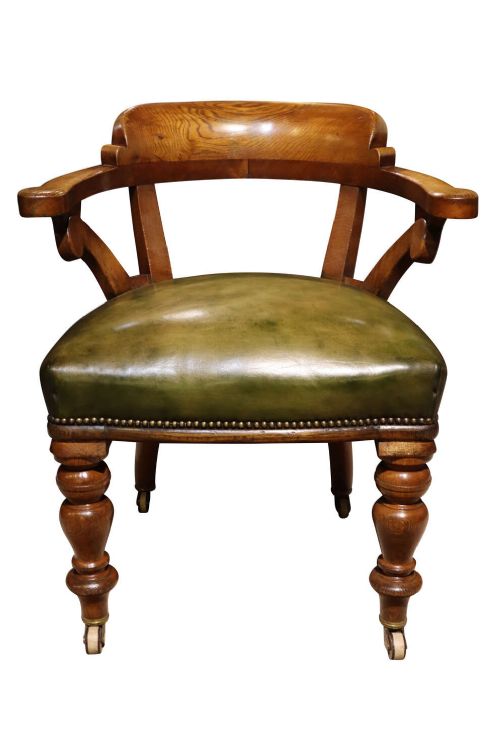
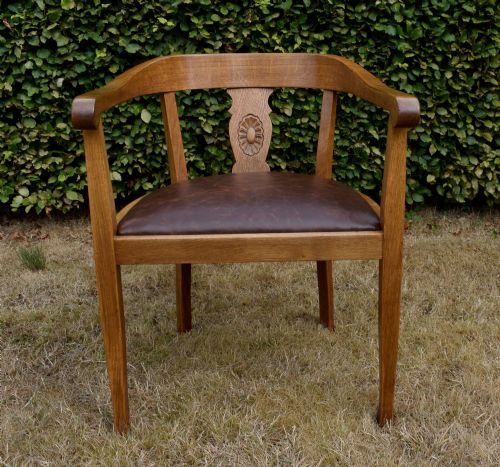
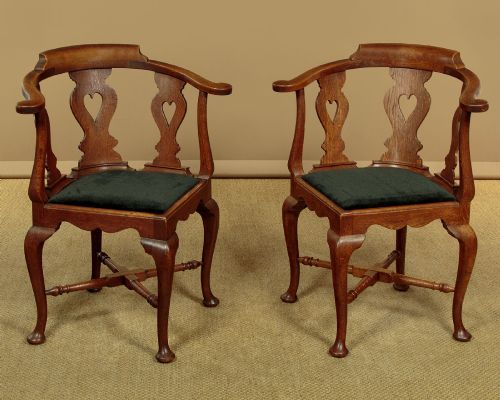
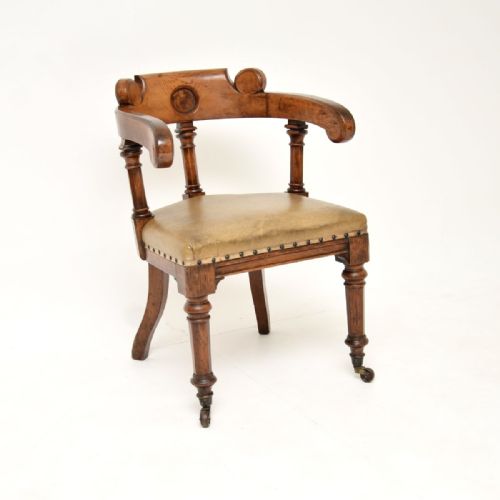
Chairs incorporate steam-bent backrests and turned spindles, joined to shaped wooden seats or upholstered pads finished in leather, cane, or hide. Cabinetmakers and coopers employed traditional joinery, including mortise and tenon joints, to ensure structural endurance.
What varies in quality
Quality rests in the integrity of the timber, the crispness of the turned components, and the original preservation of mechanical elements such as swivel mechanisms. Superior seating displays thick, well-figured oak with harmonious grain patterns and sturdy structural joints that have withstood decades of movement.
Coopered items distinguish themselves through the precision of the stave fitting, the original patination of the metal bands, and the retention of authentic liners or interior fittings. Pieces showing thoughtful proportion and uncompromised structural frames stand apart from simpler utilitarian examples.
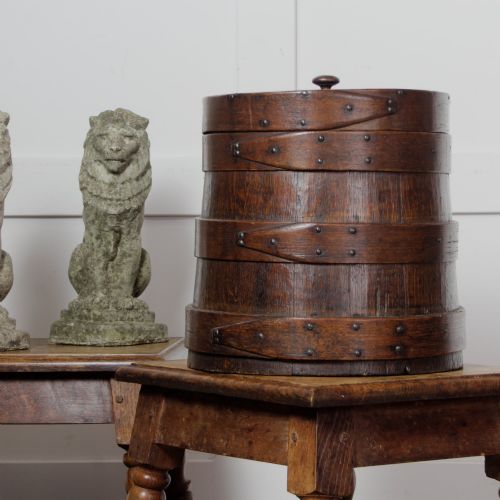
A coopered butter barrel reminds us that nineteenth-century kitchens doubled as miniature factories.
The Antique Oak Tub Glossary
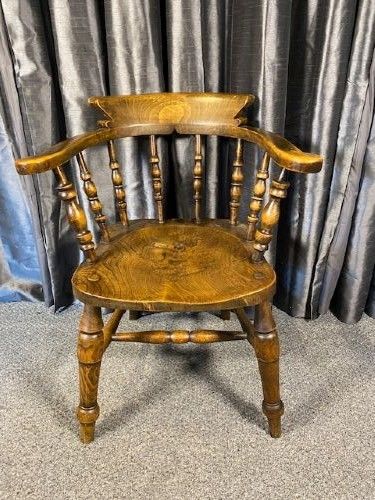
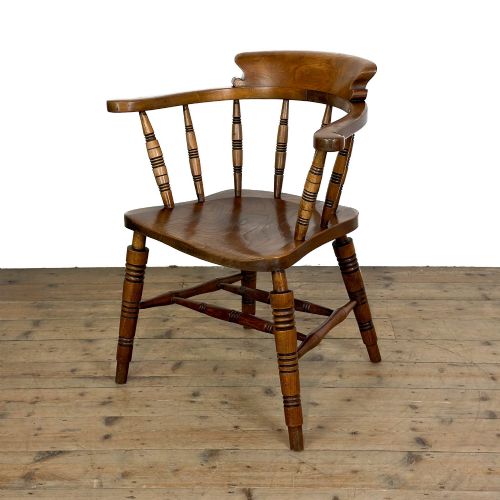
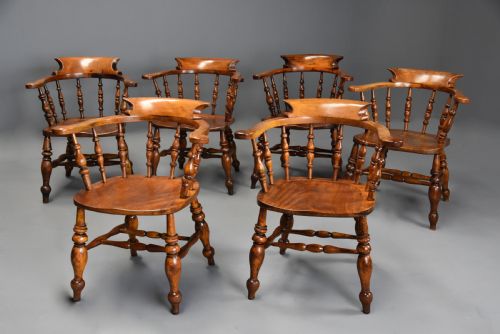
- Smoker's bow
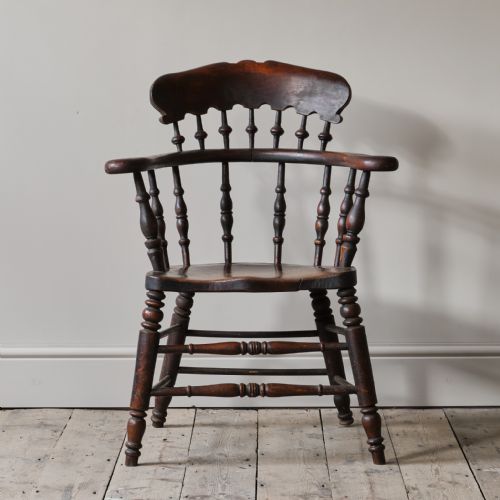
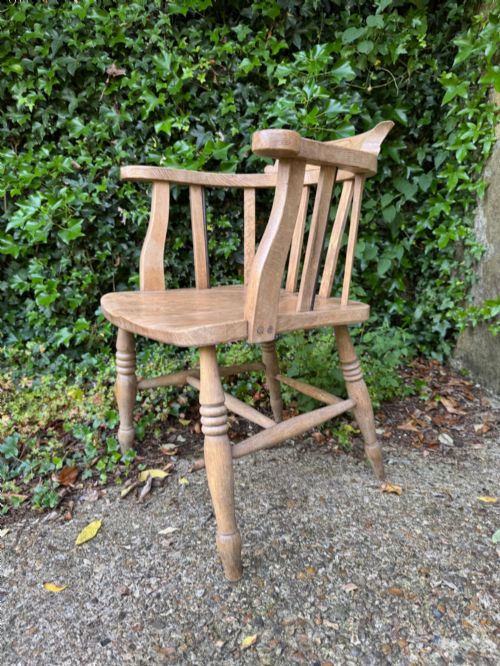
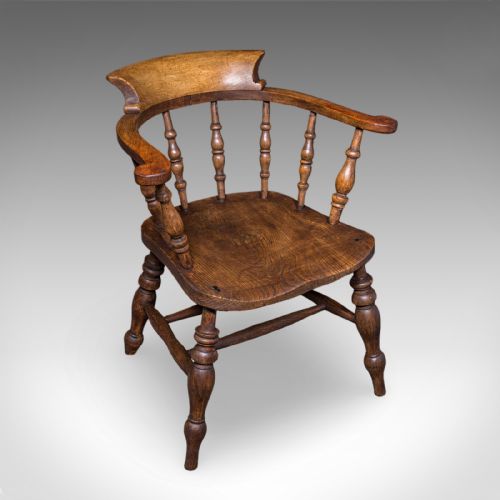
- A low-backed Windsor-style armchair featuring a continuous curved rail supported by turned spindles above a solid wooden seat.
- Coopered
- Built from curved wooden staves joined edge-to-edge and bound with metal hoops, traditionally used for holding liquids or bulk goods.
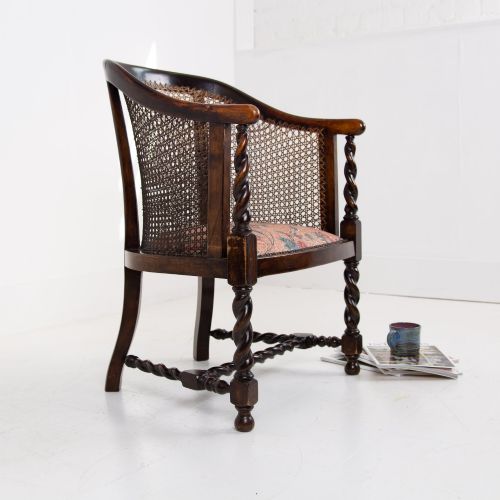
- Bergère
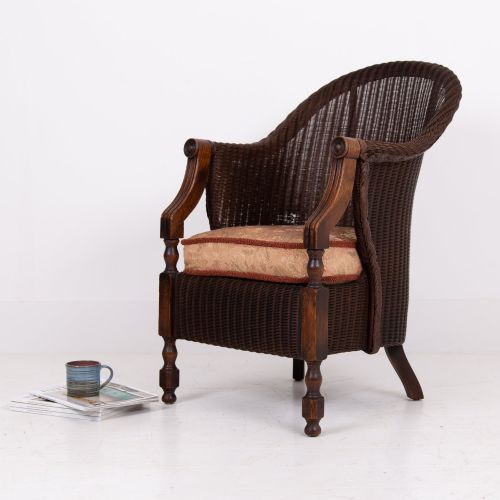
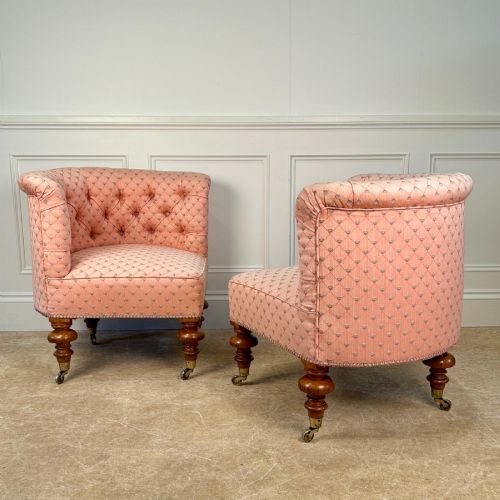
- An upholstered armchair with an enclosed wooden frame, frequently featuring cane panelling along the back and sides.
- Swivel
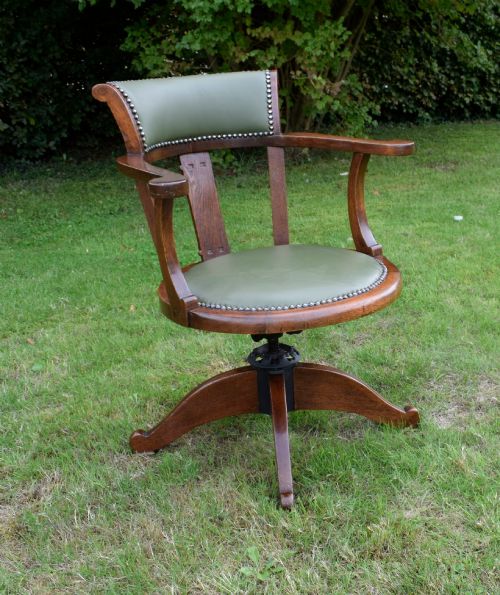
- A mechanical desk chair base allowing the upper seat portion to rotate on a central pivot column.
- Stave
- One of the narrow tapered blocks of wood placed edge-to-edge to form the circular wall of a tub, bucket, or barrel.
Antique Oak Tub: Frequently Asked Questions
What is a smoker's bow chair?
A smoker's bow is a sturdy vernacular armchair with a low, rounded back rail and turned spindles. These seats were common in country houses, offices, and inns.
They offer robust everyday support through a solid contoured wooden seat and compact proportions that fit easily around desks or tables.
How do I care for antique oak?
Antique oak benefits from simple dusting with a dry cloth and occasional application of traditional beeswax to nourish the dry timber. Avoid placing these pieces near direct heat sources or strong sunlight.
Maintaining stable indoor humidity prevents the wood from splitting and preserves the natural patina built up over generations.
What were coopered buckets used for?
Coopered wooden buckets served practical domestic functions such as washing, holding coal, storing grain, or chilling bottles. Their watertight stave construction made them essential household utilities.
Today, these robust vessels function primarily as umbrella stands, waste paper bins, or decorative storage containers in traditional and modern interiors.
Are swivel desk chairs comfortable?
Edwardian and Victorian swivel desk chairs were engineered for office work, combining ergonomic curved backrests with adjustable heights. Many include upholstered leather pads for extended sitting.
Their sturdy oak frames and rotating mechanisms provide reliable support while adding functional character to modern workspaces.