


Scandinavian Painted Trunk
A Scandinavian painted trunk brings vibrantfolk art and practical storage into a room, shaped by generations of rural craft.
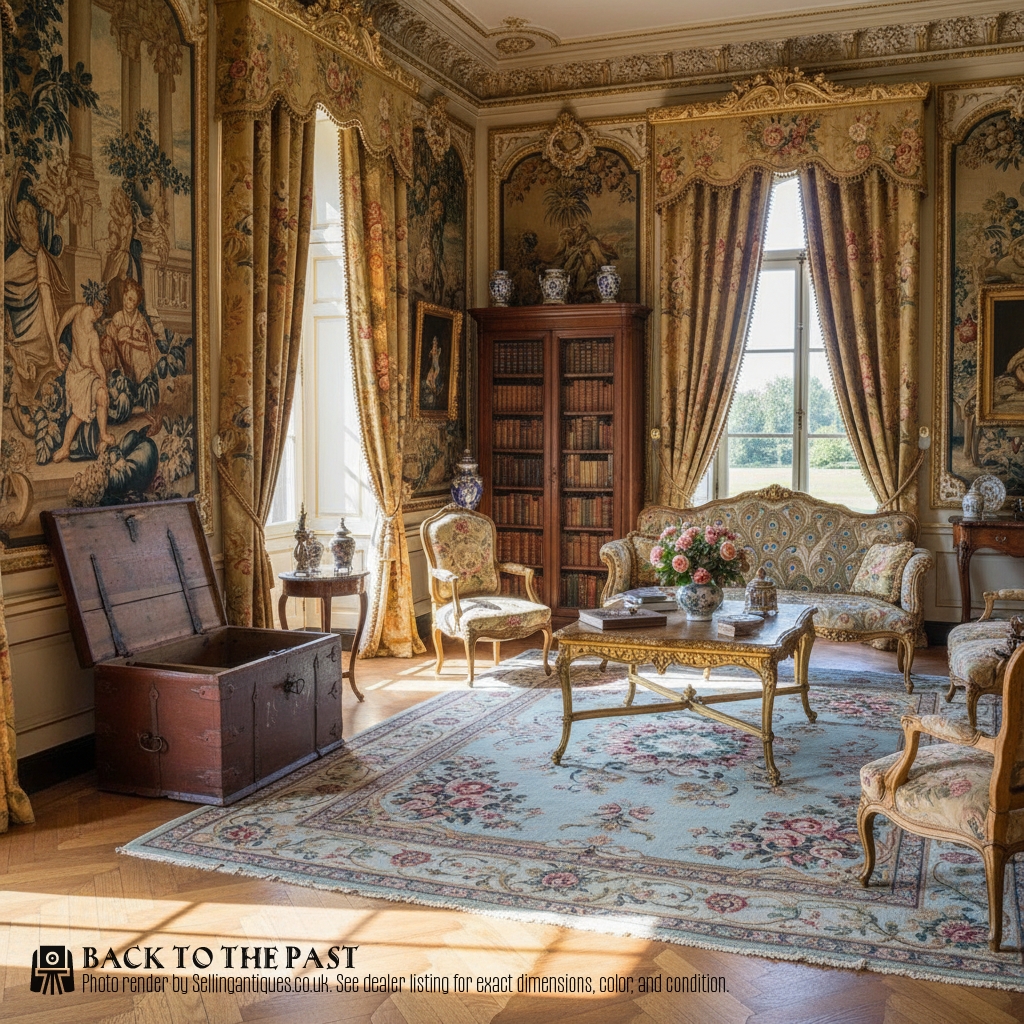
Scandinavian Painted Trunk
A Scandinavian painted trunk serves as a substantial storage piece, encompassing blanket boxes, marriage chests, and dome-top coffers originating primarily from eighteenth and nineteenth-century Sweden. These items combine utility with traditional folk art, reflecting the domestic heritage of Scandinavian country interiors.
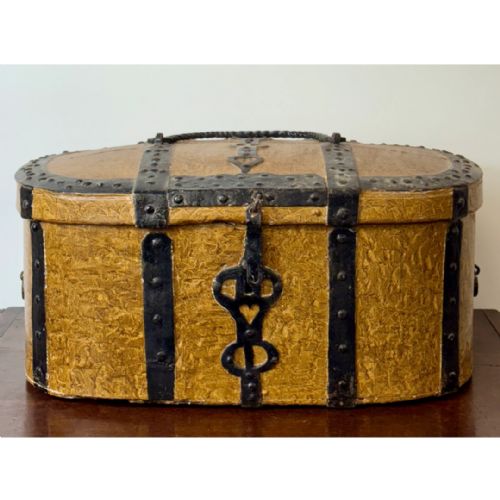
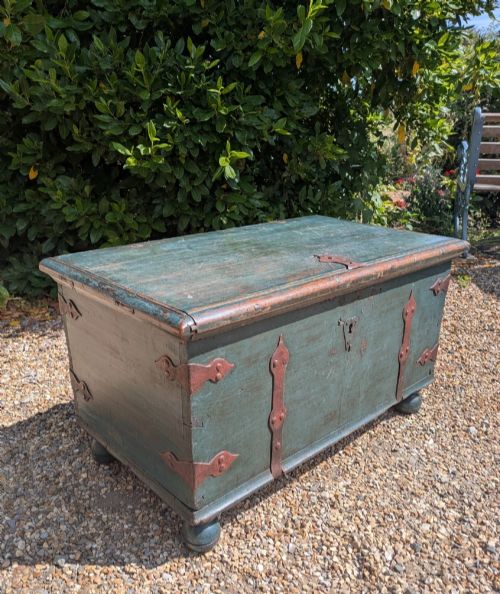
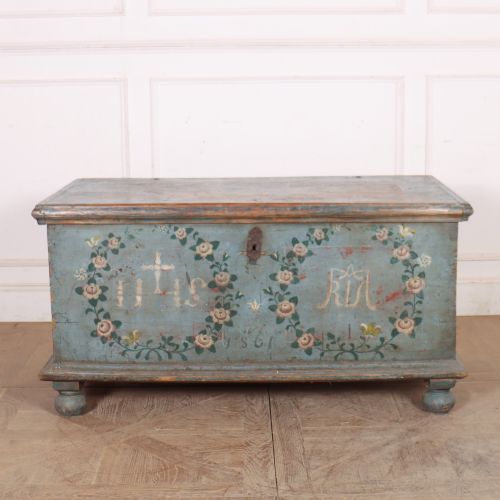
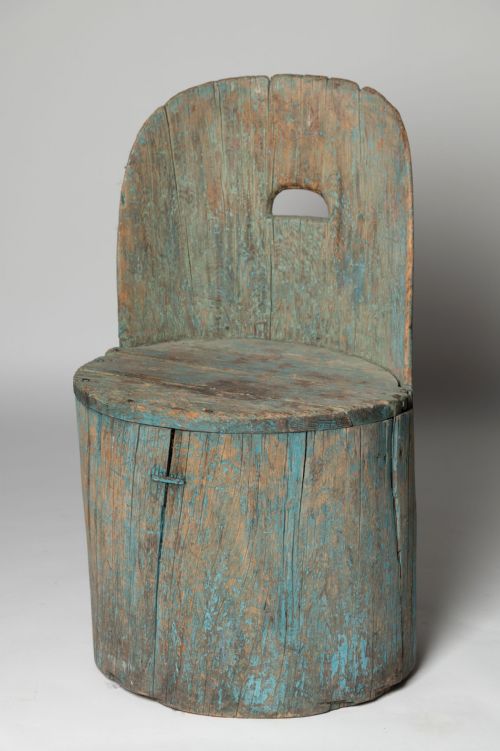
The version most commonly encountered on this page is the nineteenth-century pine chest or strong box, often finished with hand-painted motifs and fitted with metal hardware. Such pieces range from large storage chests down to smaller oval boxes and log bins.
Makers focused on sturdy utility using local timbers, producing robust forms intended for everyday rural life. Over time, these utilitarian objects have transformed into decorative focal points for modern interiors.
Factors of quality and execution
Quality rests in the survival of the original pigment paint and the complexity of the folk art decoration. Pieces retaining untouched, early surface layers hold greater character than those with later repainting.
The integration of hand-forged iron strapwork and structural joinery separates standard containers from finer marriage chests and shaped strong boxes. Well-preserved proportions and intact hardware define the upper tier of these pieces.
Listings span the eighteenth and nineteenth centuries, featuring pine and oak construction detailed with hand-forged iron strapwork and pigment paint.
The Scandinavian Painted Trunk Glossary
- Coffer
- A heavy wooden chest traditionally used for storing valuables or documents. These sturdy boxes often feature dome tops and robust iron fastenings.
- Marriage chest
- A specially decorated box commissioned or given for a wedding, often bearing specific dates or folk art motifs. These pieces typically celebrated family alliances in rural communities.
- Strong box
- A reinforced storage box designed for security, usually fitted with heavy strapwork or metal bindings. Carpenters built these smaller chests to hold money or precious household goods.
- Folk art
- Traditional decorative design rooted in regional culture and executed by local artisans rather than trained academic painters. This style gives Scandinavian pieces their characteristic bright pigments and patterns.
- Strapwork
- Ornamental bands of iron or other metal fastened across the surface of a chest to reinforce the structure. Hand-forged examples display individual smithing marks.
Scandinavian Painted Trunk: Frequently Asked Questions
How were these trunks used historically?
Rural households used these trunks to store blankets, garments, and valuable possessions away from damp floors and dust. Marriage chests functioned specifically as gifts to hold a bride's dowry during family transitions.
Strong boxes secured important documents and money, while log bins kept firewood near hearths. Each form served a distinct domestic purpose in nineteenth-century Scandinavian homes.
Where should I place a painted chest?
These chests suit living rooms as coffee tables or blanket storage at the foot of a bed. Their painted surfaces add colour and texture to neutral interiors.
Keep them away from direct heat sources and strong sunlight to protect the historic pine and pigment paint from drying or fading.
How do I care for painted pine?
Dust the surface gently with a dry, soft cloth and avoid chemical polishes that can damage fragile nineteenth-century pigments. Maintaining stable indoor humidity prevents the timber from splitting.
Handle iron hardware carefully and avoid abrasive cleaners on the original metal bindings.
How do I distinguish eighteenth from nineteenth-century pieces?
Eighteenth-century examples often display darker palettes and specific folk art motifs associated with early regional traditions. Carpenters built these with simpler, heavier framing suited to the period.
Nineteenth-century items frequently feature brighter green paint, shaped strong box profiles, and more varied marriage chest designs from the 1850s to the 1890s.