
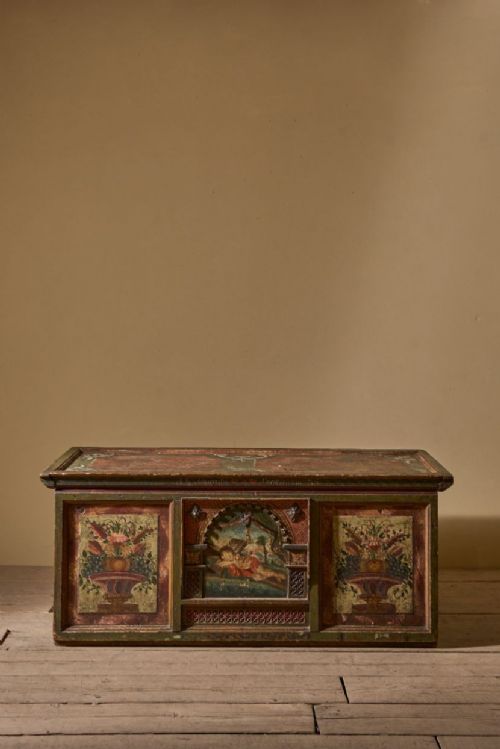


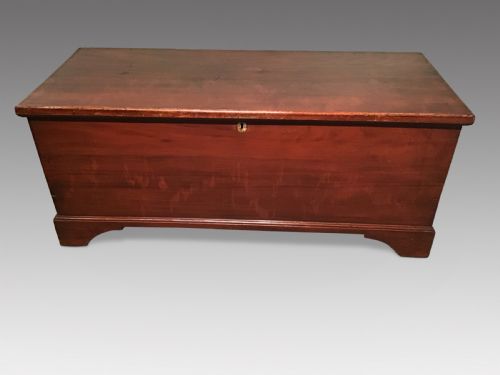
Red Painted Pine Trunk
These red painted pine trunk examples combine utilitarian storage with regional folk art expression, offering robust timber construction finished in vibrant pigmented coatings.
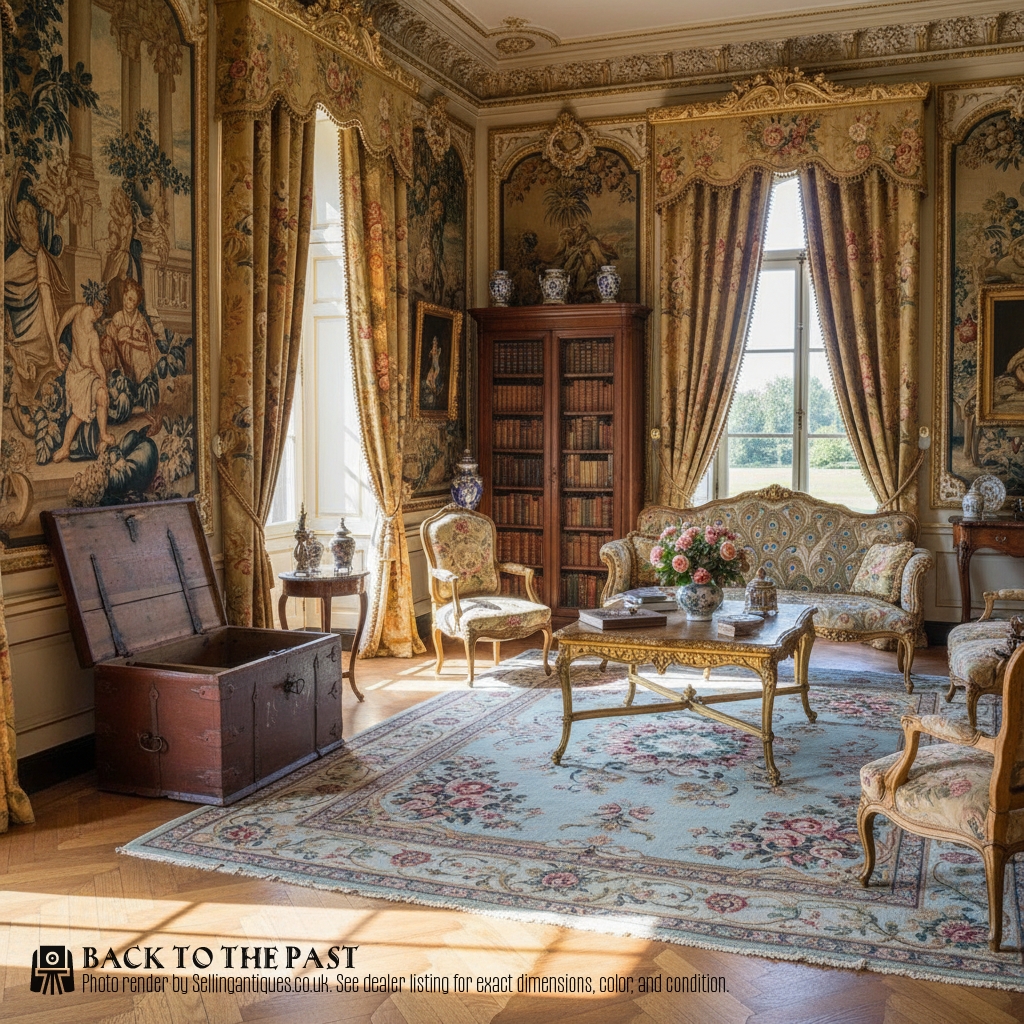
Red Painted Pine Trunk
When you search for a red painted pine trunk, you encounter a diverse group of storage forms including blanket chests, marriage coffers, and strong boxes created across European and colonial workshops. These pieces serve functional domestic storage while displaying the distinct decorative traditions of their originating regions.
The pieces listed on this page predominantly date from the nineteenth century, including examples from Victorian England, Georgian periods, and mid-century Scandinavian or Hungarian traditions. You find varying scales, from small dome-top boxes and luggage stands up to large dowry chests and mule chests.
Materials and construction
Makers constructed these pieces using solid pine timber, assembling panels with traditional joinery suited to heavy domestic use. Metal elements such as iron, wrought iron, and brass frequently appear as structural hinges, brackets, and carrying handles.
Surfaces received finishes of paint, pigment, and mineral pigment, often applied in original schemes that sometimes incorporate floral motifs, shaped brackets, or Moorish style decoration.
Object types include dome-top boxes, mule chests, luggage stands, and marriage coffers executed in Scandinavian and continental folk art styles.
Variations in quality
The distinction between ordinary and superior pieces rests largely in the survival of original paint surfaces and decorative schemes. Trunks retaining untouched regional pigments and folk art ornamentation command greater interest than those with later surface alterations.
Construction details also differentiate the range, as pieces with integrated stands, bracket feet, or specialised internal compartments demonstrate more ambitious cabinetmaking alongside utilitarian purpose.
The Red Painted Pine Trunk Glossary
- Pine
- A softwood timber commonly utilised for domestic furniture due to its availability and workability. It forms the primary structural body of these trunks.
- Pigment
- Finely ground colouring material mixed with a binder to create the decorative surface coatings seen on folk art pieces. Mineral pigments provide the earthy red tones characteristic of these items.
- Coffer
- A large wooden chest traditionally used for storing valuables, linen, or documents. Many examples feature hinged lids and robust iron hardware.
- Mule chest
- A storage chest fitted with one or more drawers in the base beneath the main compartment. Georgian examples combine this layout with painted pine construction.
- Folk art
- Artistic work created within a traditional culture by self-taught or local artisans. Scandinavian and Hungarian pieces demonstrate these regional decorative styles.
Red Painted Pine Trunk: Frequently Asked Questions
What were red painted pine trunks used for?
These pieces served primarily as domestic storage for textiles, blankets, clothing, and domestic valuables within households. Large marriage and dowry chests held valuable linens brought to a union.
Smaller strong boxes and coffers secured smaller personal possessions, while specialised forms like luggage stands supported travel items.
How do I identify the period of a painted trunk?
Dating relies on examining the construction methods, nail types, and joinery visible on the pine body. Regional decorative styles and specific painted dates inscribed on the wood also offer clear chronological clues.
Hardware such as wrought iron hinges and brass fittings helps align pieces with Georgian, Victorian, or nineteenth-century manufacturing norms.
Are these trunks finished in original paint?
Many listings specify original paint, meaning the surface coating dates from the period of manufacture rather than a later restoration. Surviving original pigment often shows natural wear and patination consistent with age.
Folk art motifs and floral decorations remain intact on these untouched surfaces, preserving the intended aesthetic of the regional maker.
Where were these painted pine pieces made?
The pieces originate from diverse European regions, with strong representation from Scandinavian countries, Hungary, and continental workshops. Spanish colonial examples also appear, featuring distinct decorative styles like Moorish ornamentation.
British pieces from the Georgian and Victorian eras sit alongside these continental folk art traditions on the page.
How do I care for an antique painted pine trunk?
Protect the fragile painted surfaces by keeping the trunk away from direct sunlight and maintaining stable indoor humidity. Avoid harsh chemical cleaners that might strip or damage original mineral pigments.
Dust gently with a dry cloth and occasionally feed exposed pine timber with appropriate wax if necessary.