







Scandinavian Hall Table
A scandinavian hall table brings light proportions and painted or figured timbers to an entrance, offering surface space without crowding the hallway.
Scandinavian Hall Table
A scandinavian hall table encompasses console tables, centre tables, occasional tables, and side tables originating from northern Europe. Buyers seeking a scandinavian hall table will encounter pieces ranging from rustic painted pine to refined elm and birch veneers.
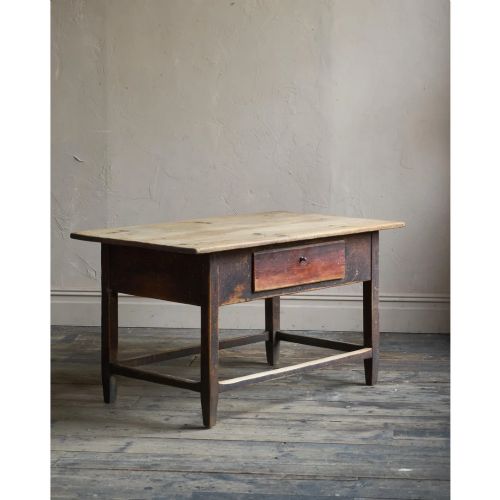
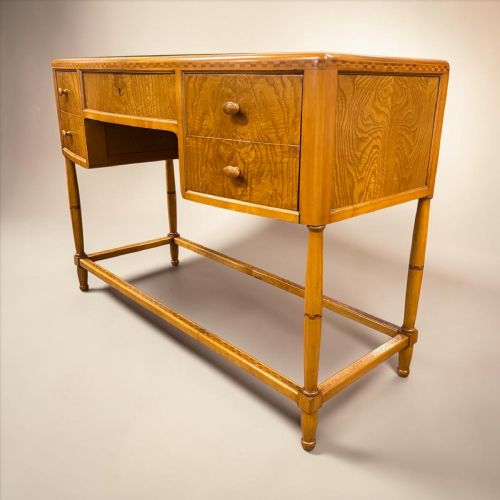
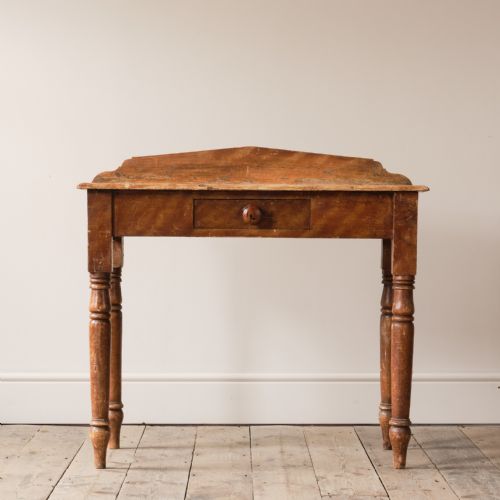
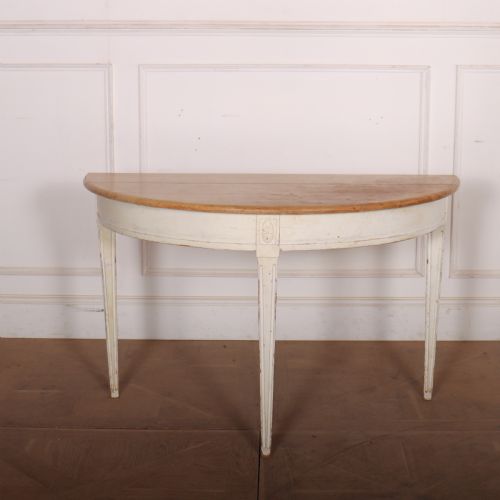
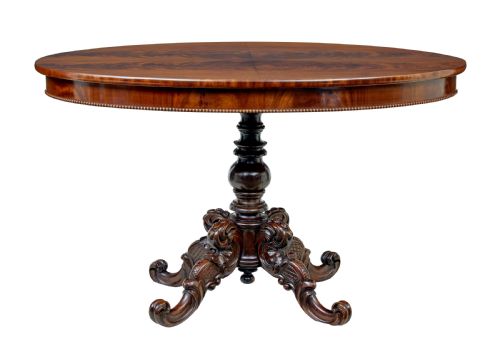
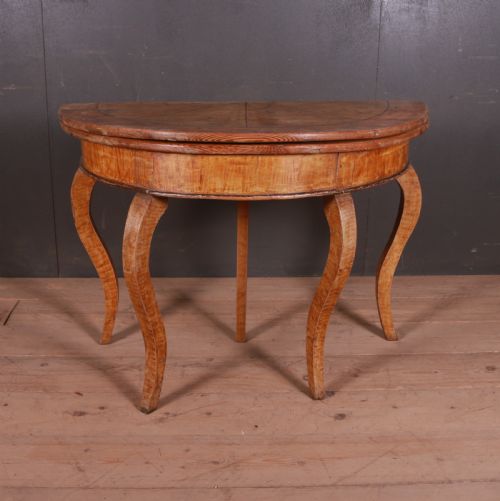
The selection leans heavily toward nineteenth-century painted softwood examples, alongside Edwardian pairs and specific Scandinavian Art Deco designs. Forms vary from demi-lune console shapes and box-stretcher tables to oval centre formats designed for the middle of a room or the edge of a hall.
Materials and construction
Makers utilised softwoods like pine and alder root, alongside hardwoods such as mahogany and birch, frequently finishing surfaces with traditional paint layers or decorative wood veneer. Flame birch and elm veneers provide striking grain patterns on twentieth-century modernist pieces.
Structural elements include box stretchers for rigidity and hand-carved details on nineteenth-century centre tables. Painted finishes often survive in original layers, showing the wear and patina accumulated over decades of domestic use.
Scandinavian Hall Table Retail Price Guide 2026
Typical asking prices for scandinavian hall table among the pieces listed under this phrase on Sellingantiques today, from the lower quarter to the upper quarter. They describe what is for sale here now, not the wider market.
Some nineteenth-century pine tables retain their original paint, having survived generations of interior updates.
Assessing quality and finish
Quality rests upon the integrity of the timber and the survival of original decorative schemes, whether natural grain veneer or historic paint. Untouched original paint surfaces hold greater distinction than later repainting, showing authentic texture and depth.
Construction refinement separates standard utility furniture from sophisticated examples, visible in the precision of inlaid birch, the choice of figured flame birch, and hand-carved ornamentation rather than plain turned components.
The Scandinavian Hall Table Glossary
- Demi-lune
- Half-moon shape, typically describing a console table designed to stand flat against a wall.
- Box stretcher
- An H-shaped or rectangular timber frame connecting the legs near the base to provide extra rigidity.
- Flame birch
- A decorative timber veneer featuring a flamelike ripple pattern in the grain.
- Console table
- A table fixed against a wall, frequently supported by legs at the front.
- Gustavian
- A Swedish neoclassical style characterised by restrained classical detailing and pale paint finishes.
Scandinavian Hall Table: Frequently Asked Questions
Where should I place a console table?
These tables suit narrow entranceways, hallways, and living spaces where surface area is required without blocking movement.
Their shallow depth allows them to sit flush against walls beneath mirrors or artwork.
How do I care for painted pine?
Dust regularly with a dry cloth and avoid harsh chemical cleaners that might compromise historic paint layers.
Keep wooden furniture away from direct heat sources and strong sunlight to prevent warping and fading.
What is the difference between a console and a centre table?
Console tables are designed to stand directly against a wall, often featuring a flat back edge.
Centre tables are finished on all sides to stand freely in the middle of a room.
Are these pieces suitable for modern homes?
The clean lines of nineteenth-century painted pieces and twentieth-century Art Deco designs blend easily with contemporary interiors.
Their restrained palettes and natural timber tones complement minimalist and traditional schemes alike.